Last updated October 31, 2026
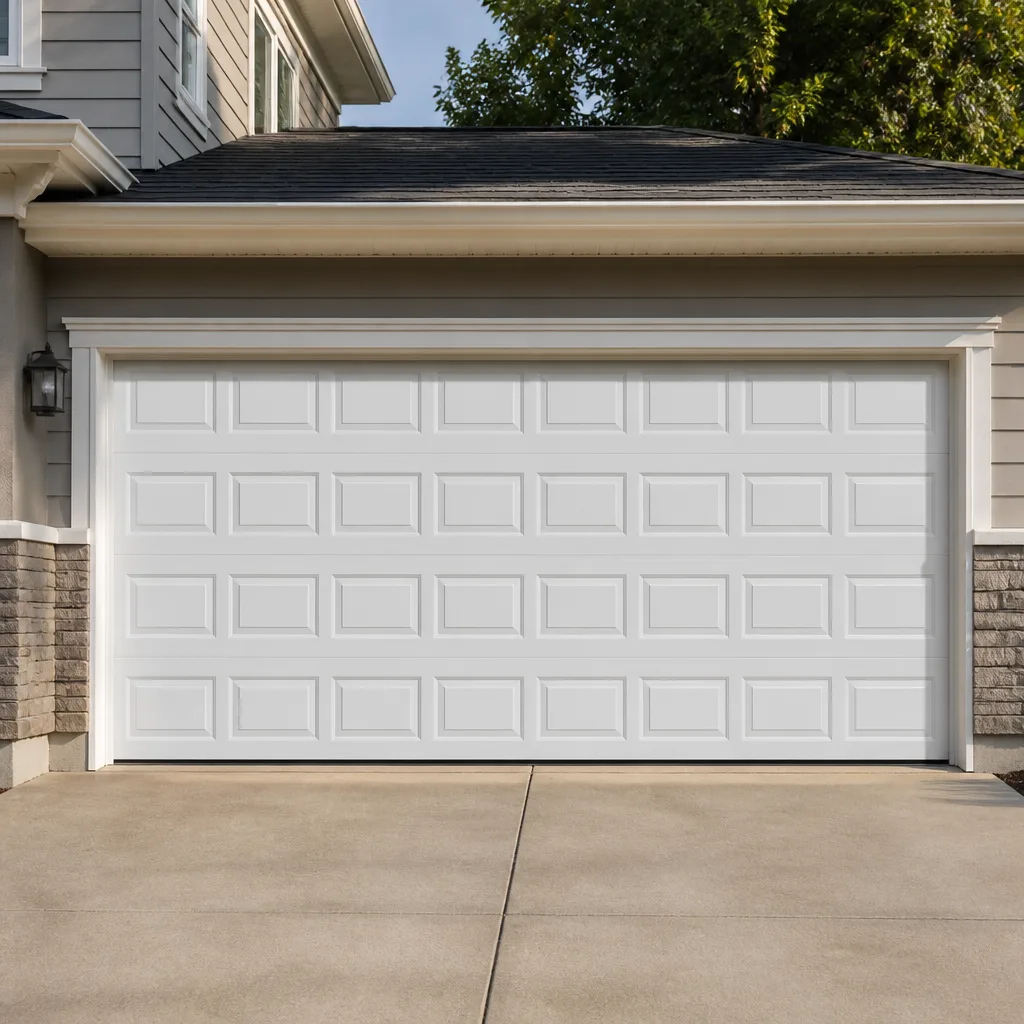 Raised-panel steel
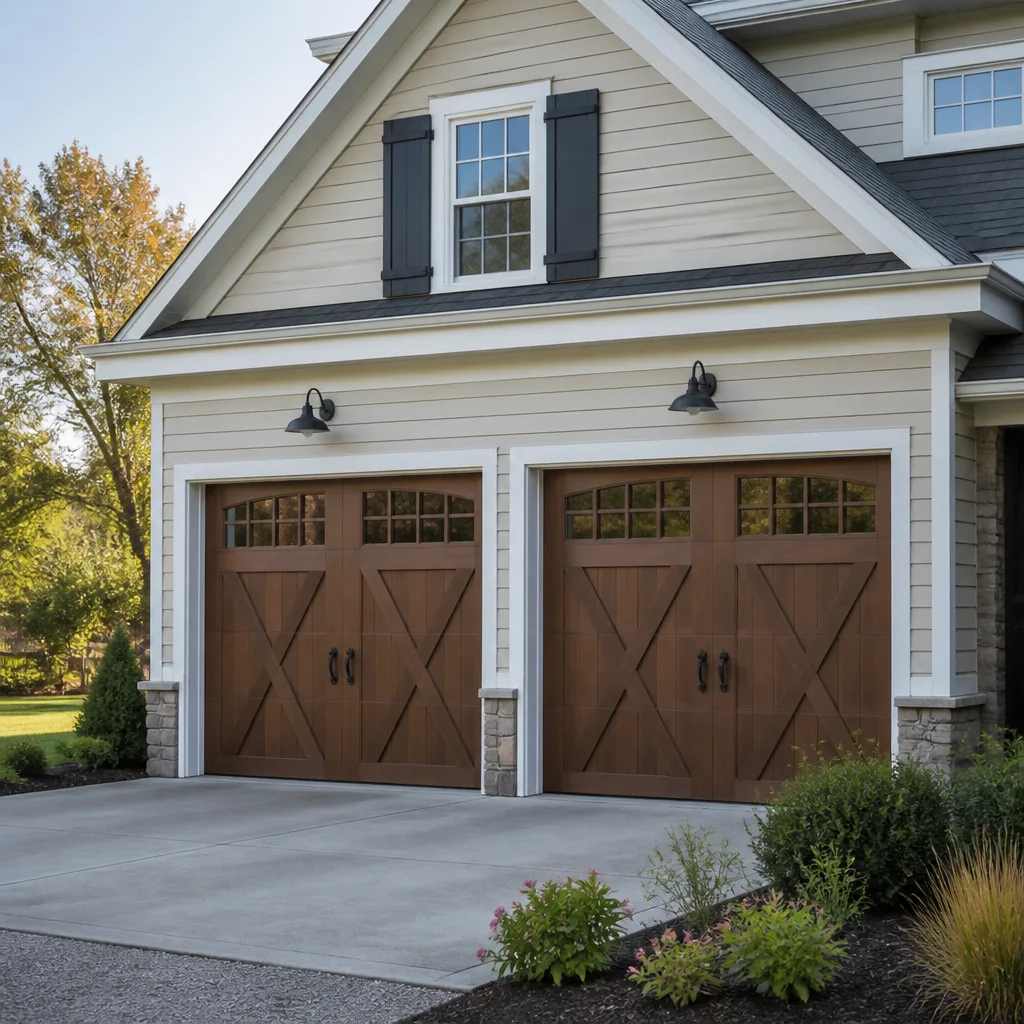 Carriage house
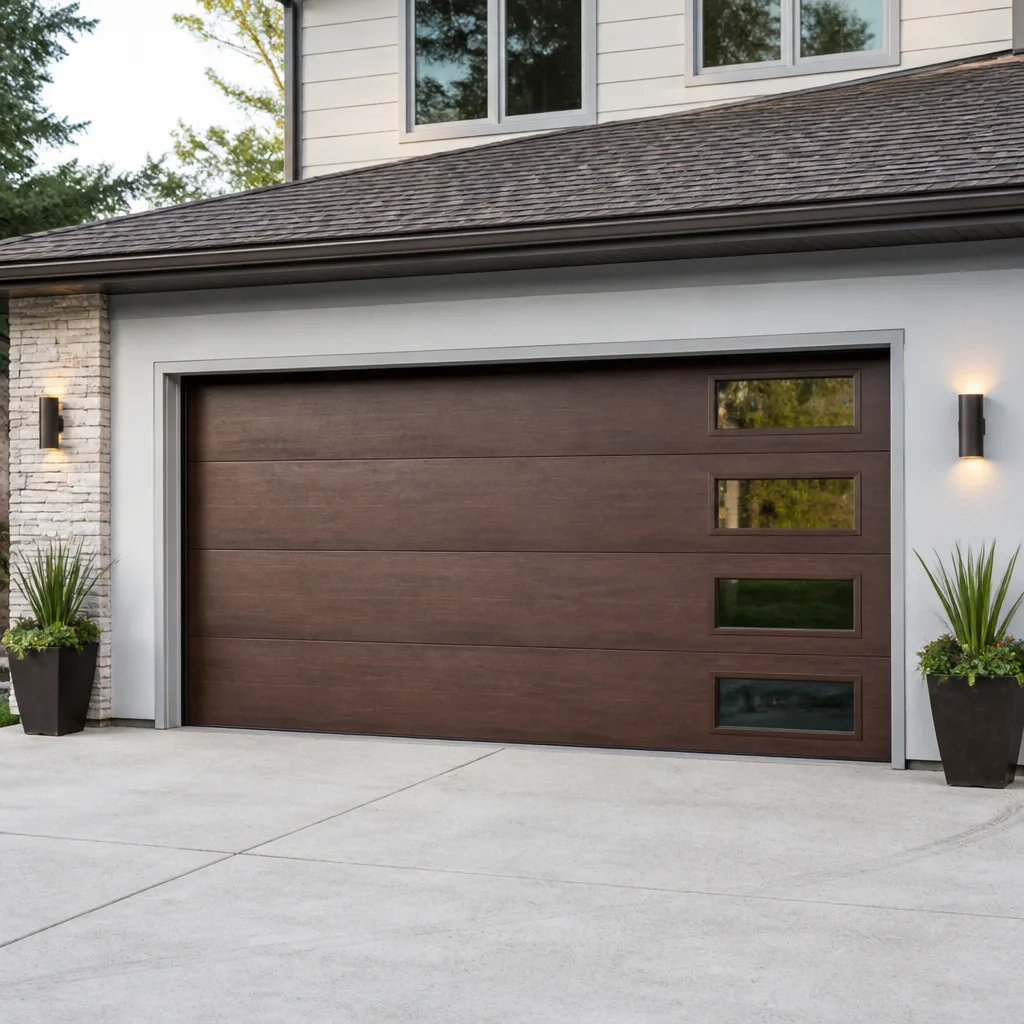 Modern flush
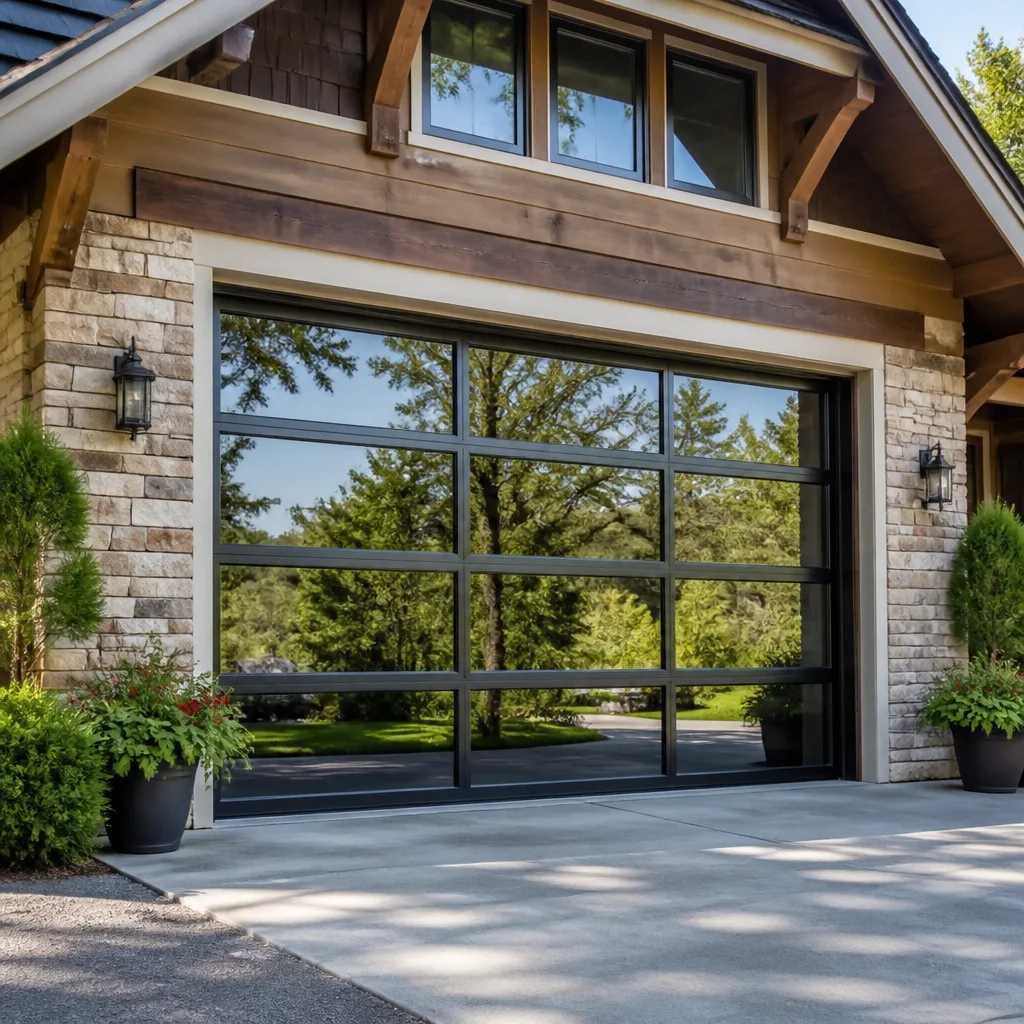 Full-view glass
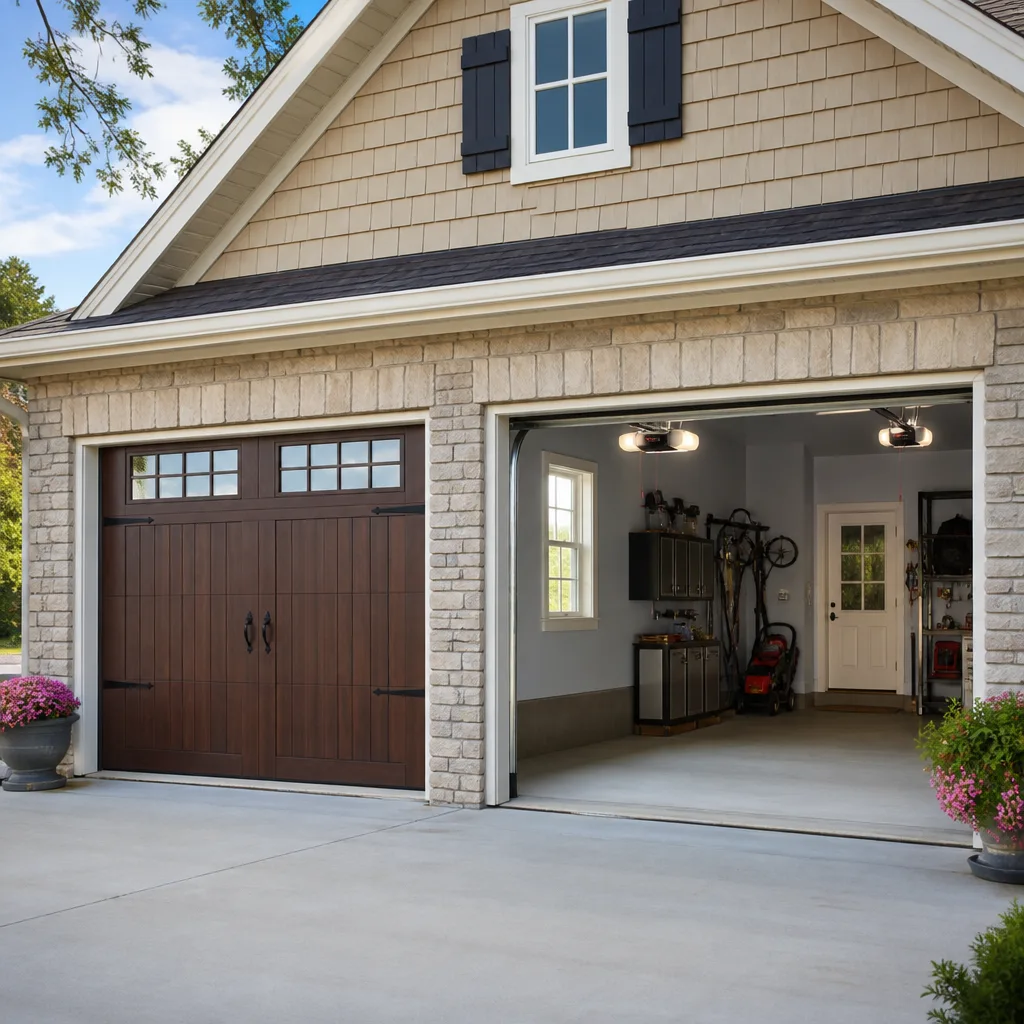 LiftMaster openers
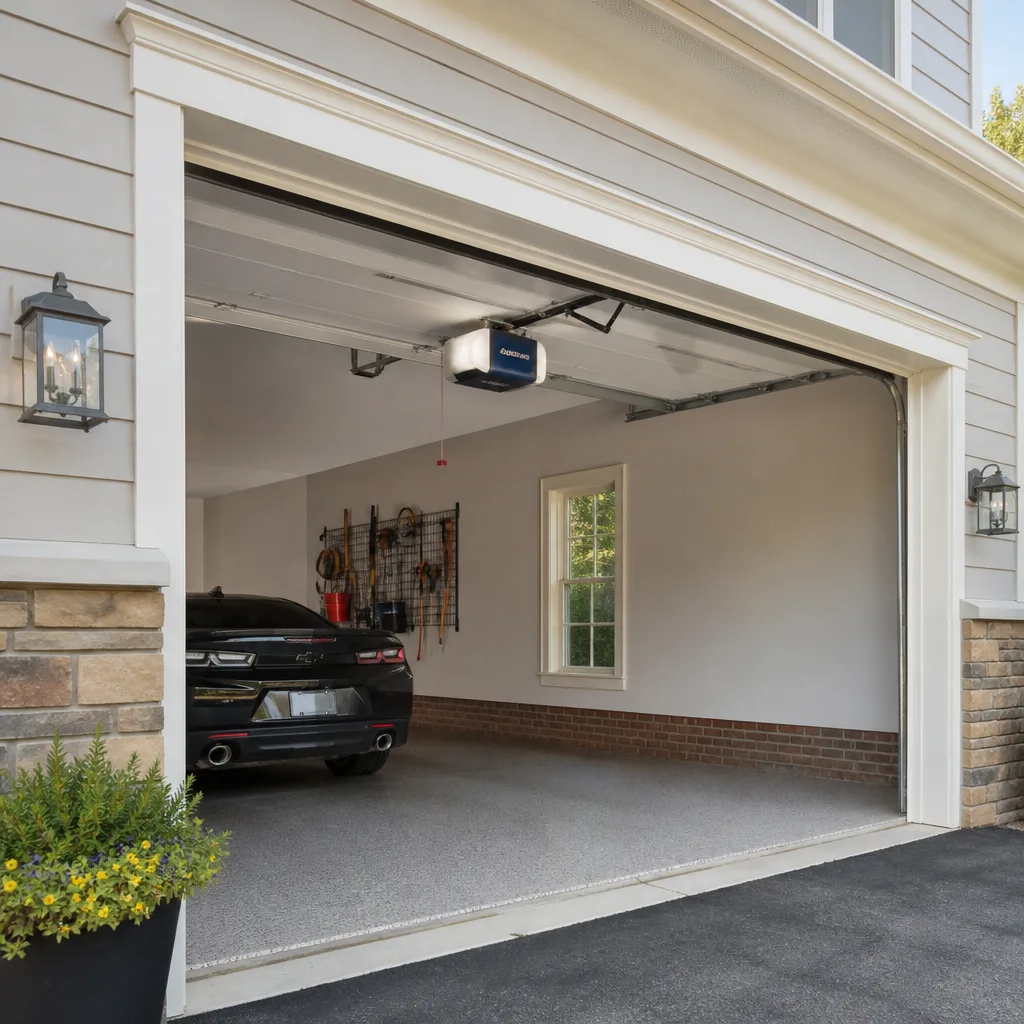 Chamberlain openers
Full 25-point door and opener safety check with every visit - springs, cables, rollers, tracks, and your LiftMaster or Chamberlain opener included
You get a price before we start. It does not change when the truck arrives.
Get your free estimateGarage Door Emergency Preparedness Guide for Coral Gables Homes
During Hurricane Irma, the most common source of catastrophic home damage in Miami-Dade wasn’t roof failure. It was garage door failure that allowed wind pressure to enter the structure and lift the roof from the inside. A stuck spring is inconvenient. An unprepared garage door in a named storm is a structural threat to everyone inside. Most Coral Gables homeowners don’t realize their garage door is the single largest opening in their home’s envelope, and when it fails under wind load, the rest of the house follows. This guide covers the full emergency picture: what fails, why it fails, how to respond in the moment, and how to prepare before the next storm or mechanical breakdown leaves you exposed. For more guides & resources, see our blog.
Styles & brands we work with
Quick Answer
Garage door emergencies in Coral Gables fall into two distinct categories: mechanical failures (broken springs, failed openers, snapped cables) that leave you trapped or exposed, and hurricane-event scenarios where wind pressure on an unbraced garage door can compromise your entire home’s structure. Preparation means knowing your door’s manual release sequence, having Miami-Dade approved bracing installed before storm season, documenting your door brand and opener model now, and knowing which repairs require a professional rather than a DIY attempt. See our Garage Door Repair Maintenance Checklist for Coral Gables Homeowners for a step-by-step preparation plan.
Table of Contents
- Understanding the Real Risk in Coral Gables
- Manual Release: The Safe Sequence When Power Fails
- Hurricane Bracing: Miami-Dade Standards and What Actually Works
- The Pre-Plan: What to Document Before You Need It
- Battery Backup Openers for Multi-Day South Florida Outages
- Post-Storm Temporary Security: Securing a Damaged Door Overnight
- Mechanical Emergencies: Springs, Cables, and the Repairs You Shouldn’t Attempt
- Common Mistakes to Avoid
- When to Call a Professional
- Frequently Asked Questions
- The Bottom Line
Understanding the Real Risk in Coral Gables
Coral Gables sits in a unique position within Miami-Dade County. The city’s tree canopy, historic districts, and proximity to Biscayne Bay create a specific set of garage door vulnerabilities that homeowners in newer western suburbs don’t face. Older homes in the Granada and Country Club sections often have original garage doors from the 1950s and 1960s that were never designed with wind-load ratings in mind. Those doors may have held up for decades of afternoon thunderstorms, but they present a real liability when a Category 3 or higher approaches.
We’ve seen two distinct failure patterns in Coral Gables garages. The first is mechanical: torsion springs fatigue and snap, usually in the early morning when temperatures are coolest and the metal is most brittle. The second is structural: wind pressure bows a non-reinforced door inward until the track wheels pop out, and then the panel itself becomes a sail. Once that happens, internal pressurization can lift the roof deck off the walls in seconds. The distinction matters because the preparation for each is completely different.
Homeowners in flood zones face an additional consideration. If your garage sits below the base flood elevation in low-lying areas of Coral Gables, you need to think about what happens when saltwater reaches your opener’s motor housing. Saltwater intrusion into a chain or screw drive system causes corrosion that often doesn’t show up for weeks after the storm, when the opener suddenly binds and fails. That’s not a storm problem. That’s a material problem, and it’s avoidable with the right maintenance window.
Manual Release: The Safe Sequence When Power Fails
When the power goes out during a storm or an opener fails suddenly, you need to know exactly how to disengage the opener and operate the door by hand. Our Garage Door Repair Troubleshooting: Common Problems and How to Fix Them covers additional failure scenarios. The sequence is straightforward, but there is one mistake that turns a simple task into a dangerous situation: attempting to release the door when it’s in the open position and under full tension. That’s how doors drop and people get hurt.
Here’s the safe sequence we teach Coral Gables homeowners:
- Confirm the door is fully closed. If the door is open when the power fails, do not pull the release cord yet. A door in the open position stores significant energy in its springs. If you release it incorrectly, it can fall.
- Locate the red emergency release cord. It hangs from the opener rail, usually near the motor unit. It’s red for a reason. It’s the one cord you should never casually tug.
- Pull the cord straight down, then toward the garage opening. The release mechanism is designed to disengage when you pull in that direction. You’ll hear a click when the trolley separates from the opener carriage.
- Lift the door slowly by hand. Use the lift handle, not the top edge of the panel. Your fingers should never be under the door’s weight path.
- When lifting, stop if you feel unusual resistance. A door that sticks, jumps, or feels heavy on one side has a broken spring or a damaged cable. Stop and call a professional garage door repair in Miami rather than forcing it.
The one mistake that makes the door fall: pulling the release cord while the door is open and then letting go. When the trolley disengages, nothing is holding the door. A properly balanced door will stay roughly in place. A door with a weakened spring will slam shut with enough force to crush anything in its path. If you must release the door in the open position, have a second person support the door, or use a sturdy prop rated for the door’s weight. Never use a ladder, a rake, or a piece of lumber. A garage door weighs between 130 and 400 pounds depending on material and dimensions.
Hurricane Bracing: Miami-Dade Standards and What Actually Works
Miami-Dade County has the strictest garage door wind-load standards in the country. If you’re installing a new door in Coral Gables today, it must be rated for the county’s High Velocity Hurricane Zone. The problem is that tens of thousands of existing doors in the city predate those standards. For those doors, the solution is a vertical bracing kit.
A Miami-Dade approved vertical bracing kit is not the same thing as a ratchet strap. Ratchet straps are polyester webbing. They stretch under load. A vertical bracing kit uses rigid aluminum or steel channels that bolt through the door panels and into the header and floor. The channels reduce the door’s unsupported span, which is what prevents wind from bowing the panels inward. Think of it as structural reinforcement, not strapping.
Here’s what a proper bracing system does:
- Reduces panel deflection. Wind pressure on a 16-foot-wide door creates enormous bending force. Vertical channels cut the effective span down to roughly 4 feet between supports.
- Transfers load to the structure. The channels anchor into the header above the door and the slab below, which means the wind load goes into the building frame, not just the hinges and rollers.
- Prevents track separation. The most common failure mode we see is the door panels flexing enough that the rollers pop out of the track. Once one roller goes, the rest follow. Braced doors don’t flex enough to let that happen.
Installation is not a DIY project for most homeowners. The channel brackets need to align precisely with the door’s internal stiles. On doors from manufacturers like Clopay, Amarr, and Wayne Dalton, the stile positions vary by model and panel thickness. A generic kit installed on the wrong stile spacing is decorative, not protective. We’re available to help Coral Gables homeowners select and install bracing that matches their specific door construction.
The Pre-Plan: What to Document Before You Need It
When a garage door fails during an emergency, the last thing you want is to spend twenty minutes on the phone with a repair service trying to figure out what kind of system you have. The information a technician needs is specific and easy to gather now. We tell every Coral Gables homeowner to take five photos and write down a handful of details, then keep them in a place that survives a power outage: a printed sheet inside a kitchen drawer is better than a note on a dead phone.
Here’s what to document:
- Door brand and model. Look for a label on the inside panel, usually near the top or on the end stile. Brands like Clopay, Amarr, and Wayne Dalton print their name and model series on a sticker or embossed tag. Write down exactly what you see.
- Opener brand and model family. The motor housing has a label. LiftMaster, Chamberlain, Genie, and Craftsman all print the model number there. Take a photo of the label.
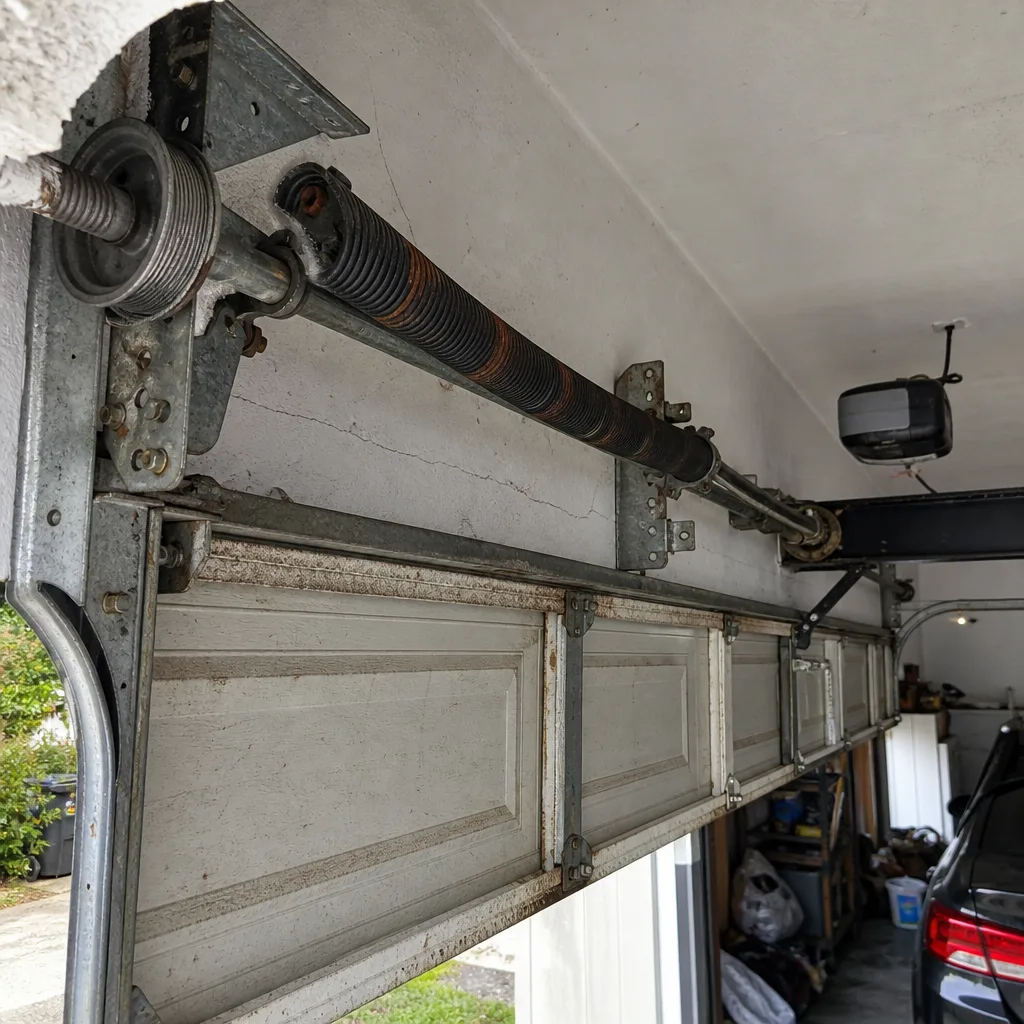
- Spring type and configuration. Look above the door. Two springs stretched along the sides are extension springs. One or two springs coiled around a shaft above the door are torsion springs. Torsion springs are safer to work on and more common on modern doors. Write down what you see, including whether there’s one spring or two.
- Door material and approximate age. Steel, wood, or fiberglass? Single layer or insulated? Approximate year of installation? These details tell a technician whether parts are likely to be available or whether the door is near the end of its serviceable life.
- Your emergency contact’s phone number. During a multi-day outage, your phone may not be reachable. Having a family member’s number written down lets a repair crew coordinate without relying on your charging situation.
This pre-plan matters more in Coral Gables than it does elsewhere because the city’s housing stock varies so widely. A 1950s Mediterranean Revival home, a 1980s ranch, and a 2010s new construction each have completely different door systems. Generic troubleshooting doesn’t work. Specific information gets the right parts on the truck the first time.
Battery Backup Openers for Multi-Day South Florida Outages
South Florida power outages after hurricanes don’t last hours. They last days. After Irma, some Coral Gables neighborhoods went more than a week without power. If your garage opener runs only on AC power, your door becomes a manual operation for the entire outage. That’s workable for a day or two. It becomes a real problem when you’re hauling supplies, checking on elderly neighbors, and trying to secure your home at night.
A battery backup opener solves that problem, but not all backups are equal. The key specification is cycle capacity, which is how many open-and-close cycles the backup battery supports before it needs recharging or replacement. Entry-level backup units deliver 10 to 20 cycles on a full charge. Better units deliver 50 or more. If you’re in an area of Coral Gables that historically loses power for a week or longer, the low-cycle unit will run out when you need it most.
Here’s what to look for in a backup opener:
- Cycle capacity. Minimum 20 cycles for short outages, 50 or more for multi-day scenarios. The number is usually printed on the product box or available in the spec sheet.
- Battery type and replacement interval. Sealed lead-acid batteries last two to four years. Lithium-ion batteries last longer but cost more to replace. Know which type your unit uses.
- Integration with your current opener. Some backup systems are add-on modules for existing LiftMaster and Chamberlain openers. Others are integrated into the motor unit. If you have an older opener, an add-on module may not be compatible, and a full opener replacement from the same manufacturer may be the cleaner path.
- MyQ and Wi-Fi functionality. During an actual outage, Wi-Fi may be down, but if your router is still running on a generator, connected functionality lets you confirm the door is closed from anywhere in the house. That matters for security during extended events.
We service all three major drive systems (belt, chain, and screw) across the leading residential opener brands, including LiftMaster, Chamberlain, and Genie. If you’re considering a backup unit ahead of the next hurricane season, we can assess your current opener’s compatibility and install a unit that matches your actual usage patterns rather than selling you a one-size-fits-all box.
Post-Storm Temporary Security: Securing a Damaged Door Overnight
Picture this: the storm has passed, the wind is down, and your garage door is visibly damaged but the rest of the house is intact. Maybe a tree branch punched a hole in a panel. Maybe the track is bent and the door won’t roll. You need to secure the opening overnight, and you need to do it without making the damage worse or creating a safety hazard.
The goal is not to repair the door. The goal is to keep the opening closed, keep people out, and keep animals and weather from entering the garage. Here’s the sequence we recommend:
- Photograph everything first. Insurance claims are easier when you have before-and-after documentation of the damage. Take wide shots and close-ups before you touch anything.
- Do not operate the opener. If the door is off-track or the panel is compromised, running the motor can tear the door further and damage the opener. Disconnect the opener using the release cord if you can reach it safely.
- If the door is mostly intact but won’t move. Check for obstructions in the track and debris on the floor. Clear what you can, but don’t force the door. A door that binds under tension often has a spring or cable issue that gets worse with forcing.
- Secure the door in the closed position. If the door will stay down, use wood screws or lag bolts to fasten the bottom panel to the concrete floor through the track. If the door won’t stay down, brace it from the inside with lumber rated for the load. A 2×4 angled from the top panel to the floor is better than nothing, but it’s a temporary measure, not a structural fix.
- Board over gaps with plywood. If a panel is broken and there’s an opening large enough for a person to enter, screw a plywood sheet over the gap from the inside. Use screws, not nails. Nails pull out under wind or tampering.
- Call for professional assessment. A damaged door may look stable and then fail hours later as components cool and settle. Get a professional out to assess the spring, cables, and track before you assume the door is safe to leave alone.
In Coral Gables, post-storm looting and opportunistic property crime are real concerns. A garage door that’s partially open advertises vulnerability. Securing the opening the same day is not optional for homeowners in this market.
Mechanical Emergencies: Springs, Cables, and the Repairs You Shouldn’t Attempt
Not every garage door emergency is storm-related. In Coral Gables, mechanical failures happen year-round, and they’re often more dangerous than homeowners realize. The two components that cause the most injuries are torsion springs and lift cables, and both are under extreme tension even when the door is closed.
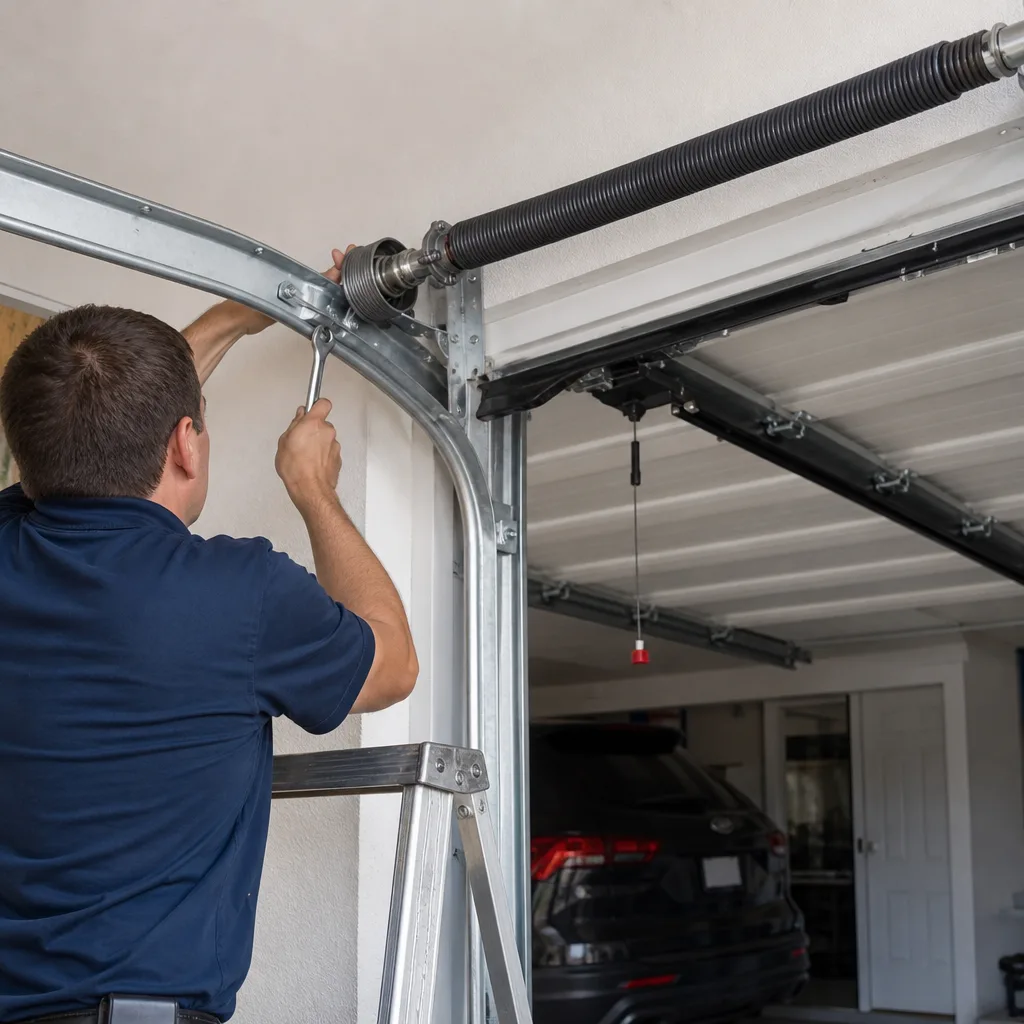
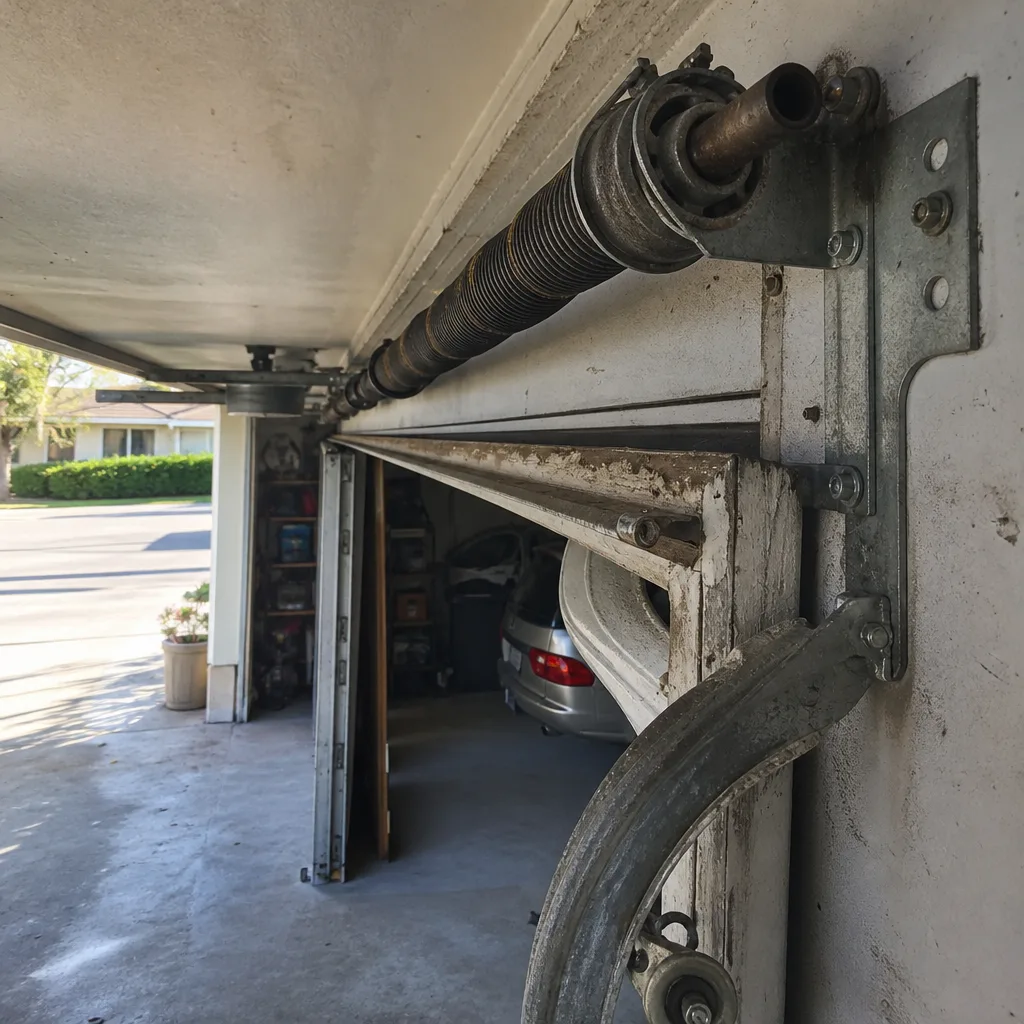
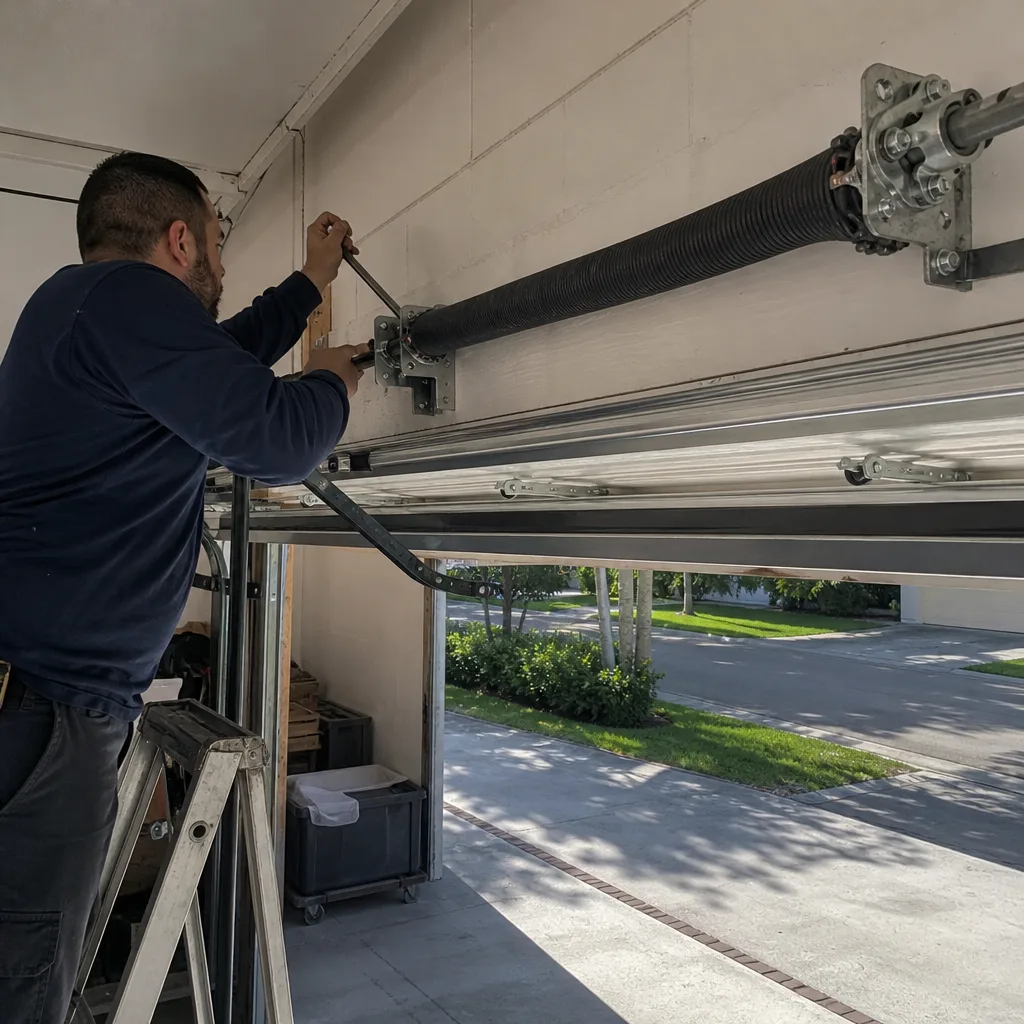
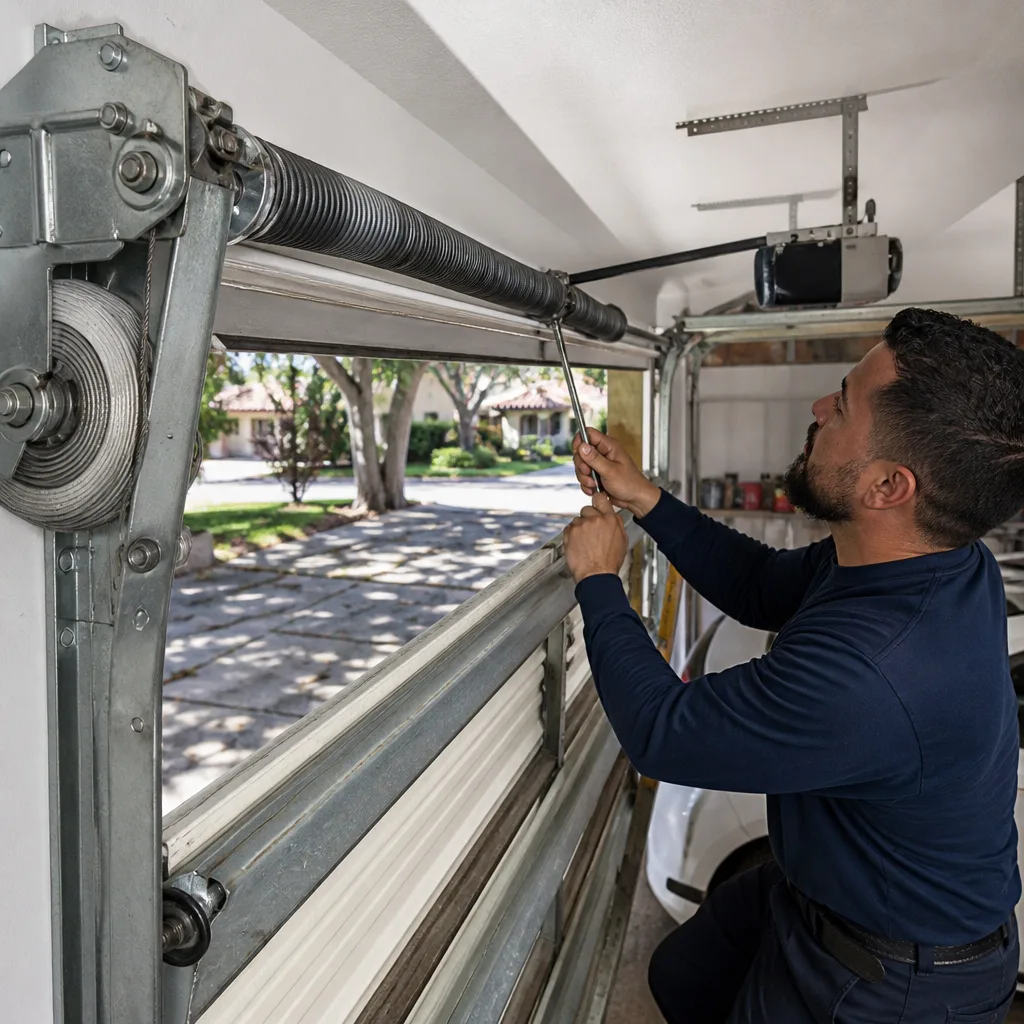
Torsion springs counterbalance the weight of the door. A single spring on a standard double door is wound to store hundreds of pounds of force. When that spring snaps, the energy releases instantly. If you’re standing on a ladder underneath it, the result can be catastrophic. We’ve seen spring wounds in this market that put homeowners in the hospital. This is not a repair you attempt yourself. The tools alone (winding bars, not screwdrivers) are specialized, and the technique takes years to learn safely.
Lift cables are the second danger. The cables run along the sides of the door and carry the tension from the springs to the bottom brackets. When a cable snaps, it can whip through the garage at high speed. A frayed cable is a warning sign you should not ignore. If you see broken strands, do not operate the door. The remaining strands can fail without warning.
Here’s what to do when you suspect a spring or cable failure:
- Do not use the opener. A door with a broken spring is not balanced. The opener will strain, the door will likely jam, and you risk further damage.
- Do not attempt to open the door manually. Without functioning springs, the door’s full weight rests on you and the cables. People have lost fingers and worse trying to muscle a springless door open.
- Keep children and pets away from the door. The door may look normal, but compromised springs and cables can fail completely without warning.
- Call a professional with the right training. Spring replacement and cable replacement are jobs for experienced technicians who work with these systems daily. The repair is not expensive compared to most home repairs, and the risk of injury is not worth the money you’d save.
We work on doors from all eight of the most widely installed residential brands: LiftMaster, Chamberlain, Genie, Clopay, Amarr, Wayne Dalton, Craftsman, and Raynor. That matters because spring and cable specifications vary by manufacturer and model. A technician who knows the specific tolerances for your door brand can fix it correctly the first time. A generalist who guesses is rolling the dice with your safety.
Common Mistakes to Avoid
- Pulling the release cord while the door is open. This is the single most common cause of injury we see. If the door is open and the spring tension is off, the door falls. If you must release it open, have a second person support the door or use a proper prop.
- Using ratchet straps as hurricane protection. Webbing stretches. A ratchet strap under hurricane wind load elongates enough to let the door flex, and once the rollers pop out of the track, the strap is just decoration. Miami-Dade approved vertical bracing is rigid, not fabric.
- Lubricating extension springs with the wrong product. WD-40 on a Craftsman extension spring washes out the existing lubricant and attracts dirt. The right product is a silicone-based or white lithium grease designed for garage door hardware. Using the wrong product shortens spring life and can cause coil binding.
- Ignoring a noisy door. A garage door that groans, bangs, or squeals is communicating. Those sounds often precede a spring or cable failure by weeks. In Coral Gables humidity, corrosion accelerates the timeline. Have a professional listen before the noise becomes an emergency.
- Operating the opener after visible cable fraying. Frayed cables are a countdown. Every cycle you run after noticing the fray is a risk that the cable lets go while the door is moving. The repair is straightforward and affordable. The accident it prevents is neither.
- Not testing the door balance once a year. Disconnect the opener (when the door is closed), lift the door manually to waist height, and let go. A balanced door stays in place. A door that drops or shoots up has a spring problem. This simple test catches failures before they become emergencies, and it takes less than a minute.
- Assuming a new home has a current-code door. Coral Gables has many homes that changed hands without a door upgrade, especially in historic districts where exterior changes face review board scrutiny. New ownership doesn’t mean a new door. Verify the wind-load rating rather than assuming the previous owner prepared correctly.
When to Call a Professional
Call a professional when a torsion spring snaps, when a cable is frayed or broken, when the door is off its track, when the opener sparks or smokes, when the door is visibly bent from wind impact, or when you’ve attempted a manual operation and the door won’t move smoothly. These are not conditions that resolve themselves, and most of them get worse every hour they’re left unaddressed. If you’re in Coral Gables, Coral Gables Garage Door Service offers free estimates, and we can usually walk you through an initial safety assessment over the phone before scheduling a visit. Call (855) 752-9022 to discuss your situation.
For opener-specific issues, including battery backup installations or garage door opener repair in Miami, our technicians arrive with the parts knowledge for your specific model family. If you’re considering a full replacement after storm damage, our garage door installation in Miami service covers doors from Clopay, Amarr, Wayne Dalton, and Raynor. One call, one crew, and the repair, opener work, or installation all come from the same specialist team.
Frequently Asked Questions
Garage door emergency repair in Coral Gables typically ranges from $150 to $500 depending on the component. A broken extension spring replacement commonly runs $150 to $250, while a torsion spring replacement, including parts and labor, often falls between $200 and $500 depending on whether one or both springs need replacement. Opener repairs vary widely: a gear replacement is usually under $200, while a full logic board replacement can reach $350 or more. These are the ranges we see across the Coral Gables market, but your actual cost depends on your door brand, the specific failure, and parts availability. Call (855) 752-9022 for a quoted price before work begins; estimates are free.
We make every effort to prioritize emergency calls in Coral Gables, especially when a door is stuck in the open position and the home is exposed. The best way to find out about today’s availability is to call (855) 752-9022 directly. Our scheduling team will ask about your door brand, opener model, and the nature of the failure, which helps us confirm we have the right parts before we dispatch.
No. The price is quoted and agreed before any work starts. If the technician discovers additional damage during diagnosis, we explain what we found, provide a revised quote, and get your approval before proceeding. You’ll never receive a larger invoice than the figure you approved.
We stock common parts for all eight major brands we service, including LiftMaster, Chamberlain, Genie, Clopay, Amarr, Wayne Dalton, Craftsman, and Raynor. Springs, cables, rollers, sensors, and opener components for these manufacturers travel with our technicians. If your door is from a less common manufacturer or requires a special-order panel, we’ll tell you upfront during the estimate process so there are no surprise second trips.
A new door installed in Coral Gables under current Miami-Dade code should meet High Velocity Hurricane Zone wind-load requirements. But “should” doesn’t mean “does.” Verify the door’s design pressure rating, which should be printed on the door’s label or available from the manufacturer. If you bought a home with an existing door and don’t know its rating, have it evaluated before hurricane season. A door that meets code doesn’t need additional bracing. A door that doesn’t is a liability the next time a named storm tracks toward Miami-Dade.
A battery backup opener keeps your garage door operational during a power outage by drawing from an onboard battery, typically providing 10 to 50 open-and-close cycles depending on the unit. A generator powers your entire home’s electrical system, including the opener’s normal AC input. Battery backup is the more affordable solution for garage-specific needs and works automatically when power cuts, while a generator covers your full home but requires fuel and more involved setup. For Coral Gables homeowners who just want the garage door to work through a multi-day outage, battery backup is the practical choice. Call (855) 752-9022 to discuss which backup options fit your current opener.
The Bottom Line
Garage door emergencies in Coral Gables are predictable enough that preparation makes a real difference. Know your manual release sequence and practice it with the door closed. Install Miami-Dade approved vertical bracing if your door predates current wind-load codes. Document your door brand, opener model, and spring configuration now, before an emergency forces you to describe your system over a crackling phone line. Consider a battery backup opener if your household can’t tolerate a week of manual door operation. And when a spring snaps, a cable frays, or a storm damages the door, call a professional who works with your specific brand every day. The team at Coral Gables Garage Door Service is ready when you need us: (855) 752-9022.
Written by the team at Coral Gables Garage Door Service, serving Coral Gables since 2014.
See the difference
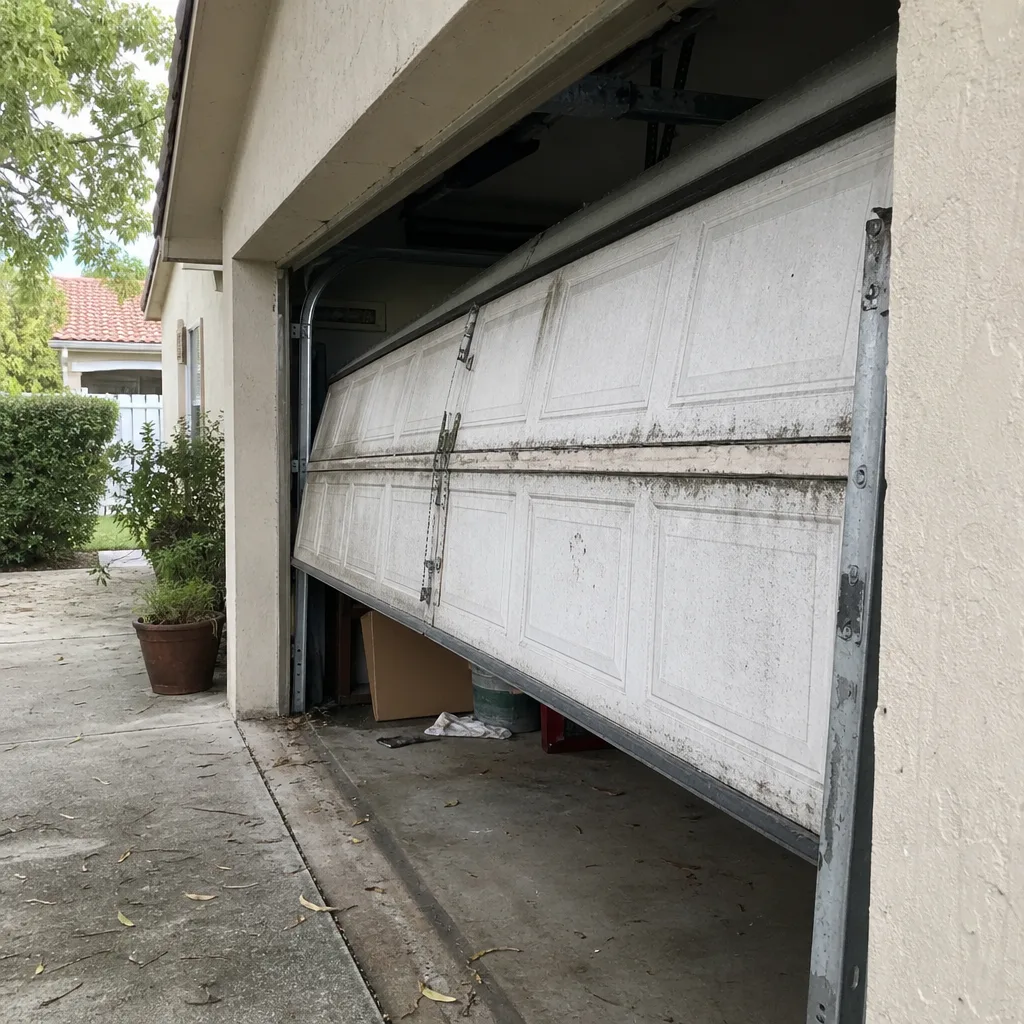 Before
 After
 Before
 After
 Before
 After