Last updated October 31, 2026
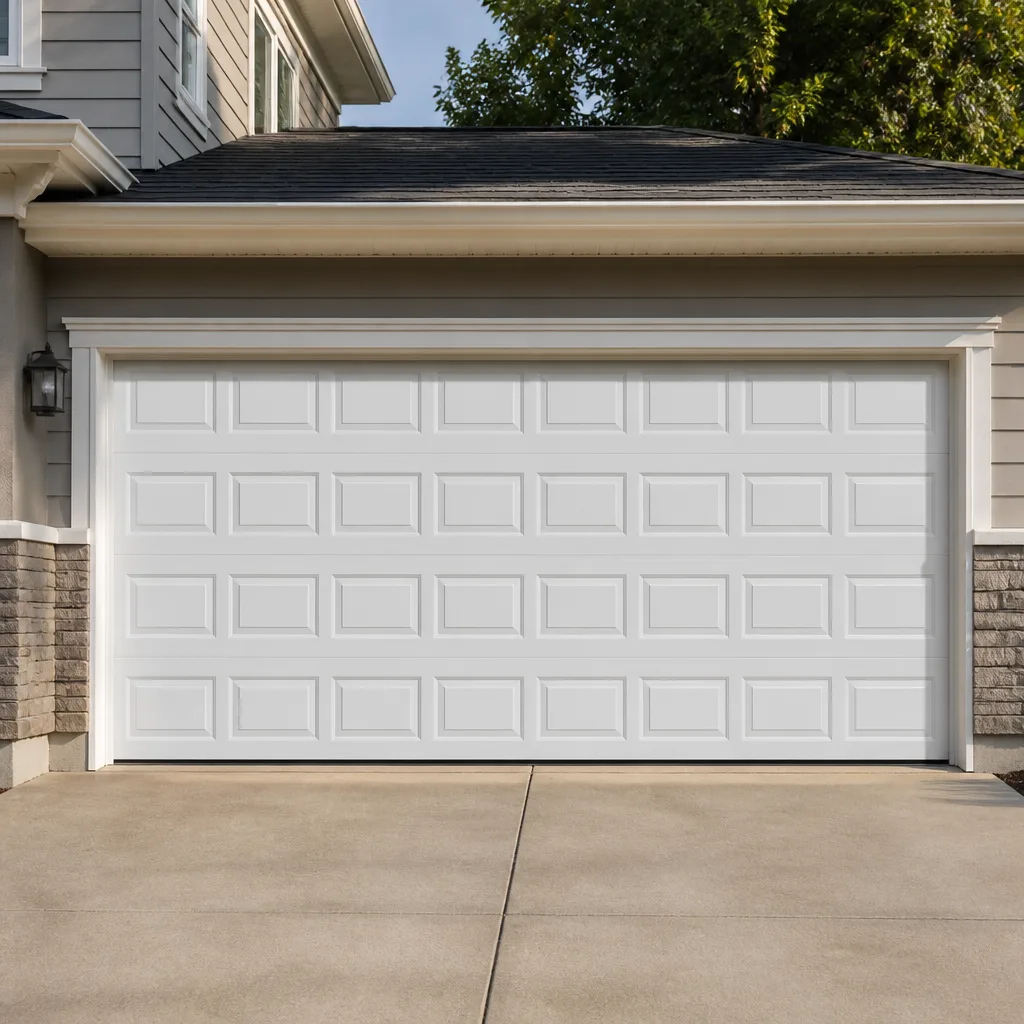 Raised-panel steel
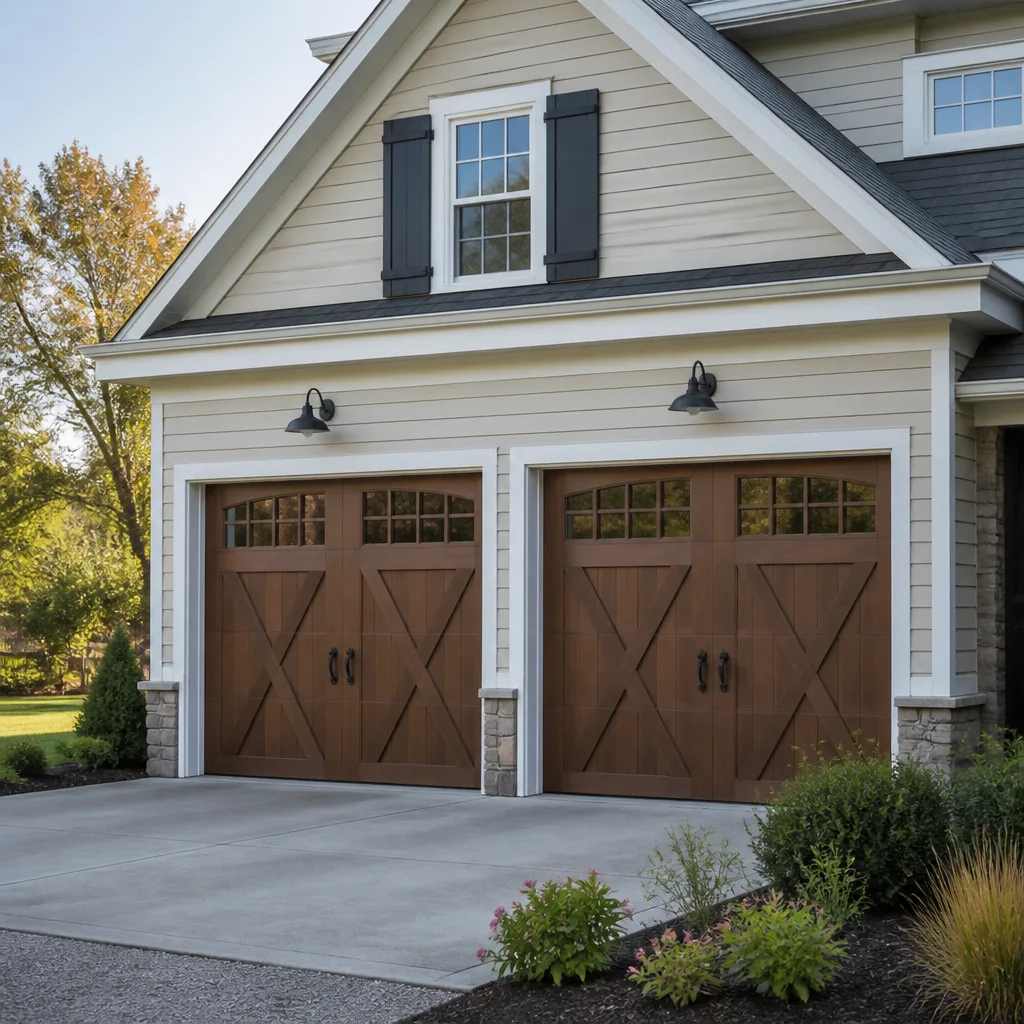 Carriage house
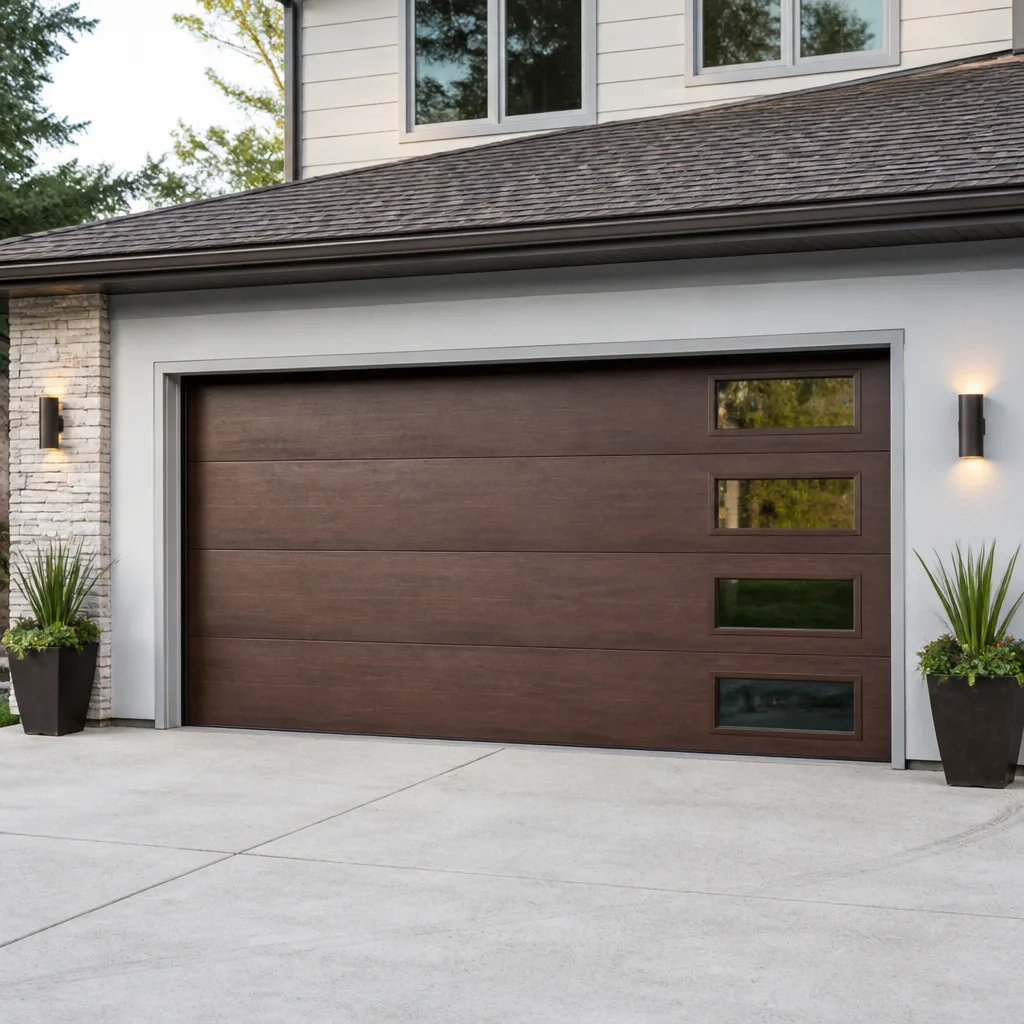 Modern flush
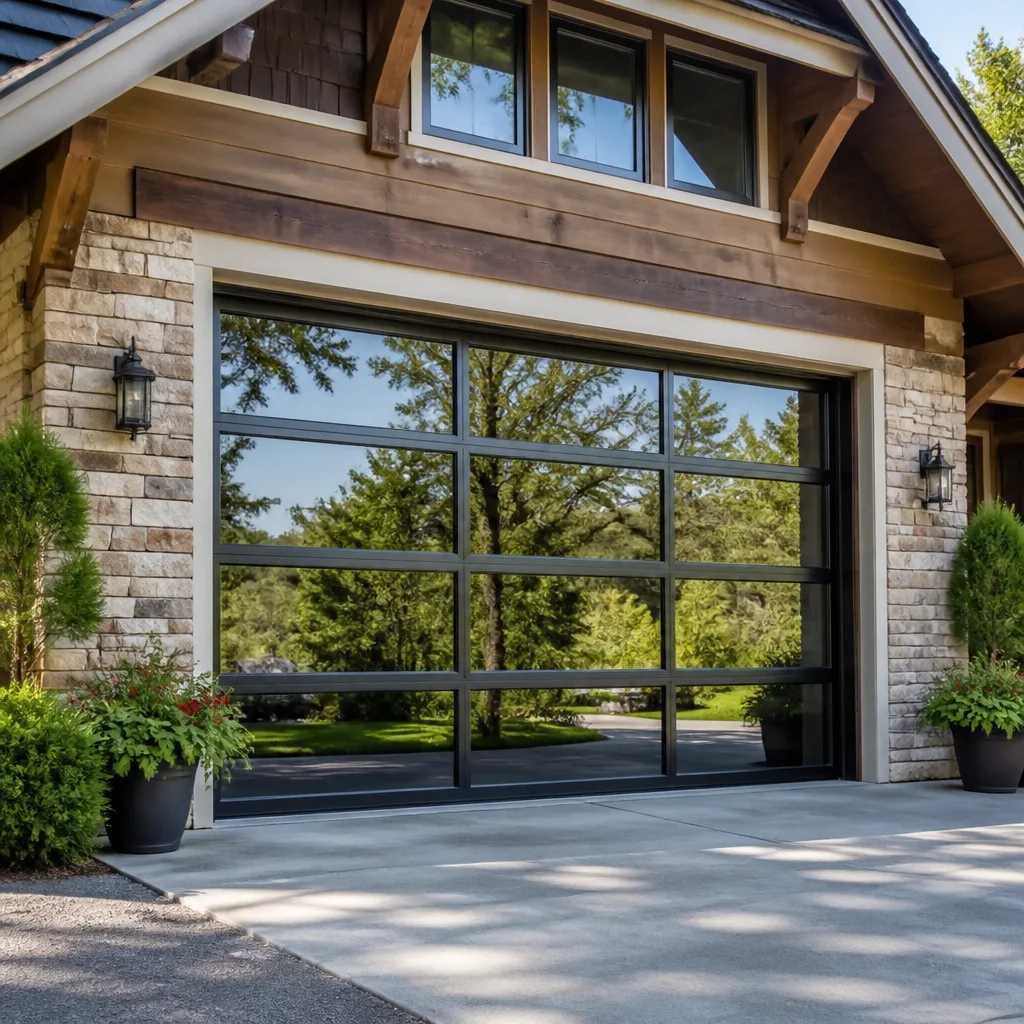 Full-view glass
 LiftMaster openers
 Chamberlain openers
Full 25-point door and opener safety check with every visit - springs, cables, rollers, tracks, and your LiftMaster or Chamberlain opener included
You get a price before we start. It does not change when the truck arrives.
Get your free estimateGarage Door Permits, Codes & Inspections in FL: What You Need to Know
A garage door installed without a Miami-Dade permit isn’t just a code violation. It can void your wind mitigation insurance discount, trigger a failed four-point inspection when you sell, and become a mandatory disclosure item under Florida Statute 689.261. What surprises most Coral Gables homeowners is that Florida’s garage door rules are driven by hurricane history, not bureaucracy, and Miami-Dade County layers additional requirements on top of state code that even some contractors don’t know exist. This guide walks through when you need a permit, what Miami-Dade’s High-Velocity Hurricane Zone designation actually means for your door, how the inspection process works, and what happens if you skip the paperwork. For more guides & resources on protecting your home, see our full blog.
Quick Answer
In Florida, garage door replacement requires a permit in nearly every municipality, including Coral Gables and throughout Miami-Dade County, when the door or its track system is removed and replaced. Miami-Dade’s High-Velocity Hurricane Zone (HVHZ) designation means your door must carry a Notice of Acceptance (NOA) proving it passed specific wind load testing, and work must pass a building inspection before it’s considered complete. Skipping the permit puts your insurance wind mitigation credits and future property sale at risk.
Styles & brands we work with
Table of Contents
- When Is a Garage Door Permit Required in Miami-Dade County?
- Florida Building Code Chapter 16 and the Miami-Dade HVHZ Difference
- What Is a Notice of Acceptance (NOA) and Why It Matters
- What Miami-Dade Inspectors Look For: Rough and Final
- Unpermitted Work, Citizens Insurance, and Resale Disclosure
- Coral Gables Specific Requirements and Local Context
- Permit Fees and Timeline: What to Budget
- Repair vs. Replacement: Where the Line Actually Sits
When Is a Garage Door Permit Required in Miami-Dade County?
The threshold question every Coral Gables homeowner asks: does my project need a permit? The answer hinges on what’s being replaced. Here’s the breakdown most people get wrong.
A permit is required in Miami-Dade County when:
- The entire door assembly is replaced, including panels, tracks, springs, and hardware. This is the most common scenario and the one that triggers the most confusion.
- The door is removed from its opening and a different size or type is installed. Swapping a single-car door for a larger opening, or converting from a sectional to a rolling door, always requires a permit.
- The door’s structural connection to the building changes. New jamb brackets, new mounting points, or modification to the header warrant a permit review.
- The door is part of new construction or an addition. This is straightforward, but worth noting that the garage door is inspected as part of the broader building envelope.
What does not require a permit in most Miami-Dade inspections:
- Replacing a single panel on a sectional door, provided the track system and structural anchoring remain untouched.
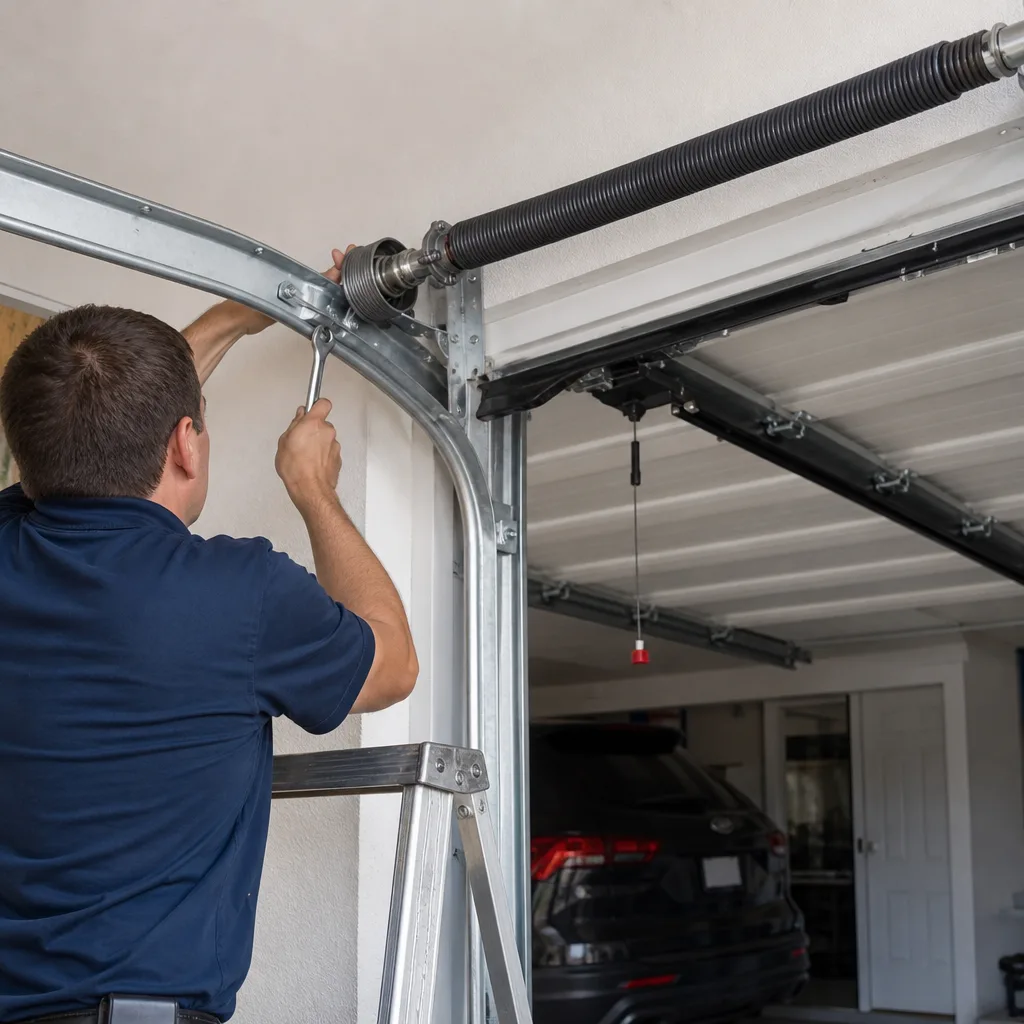
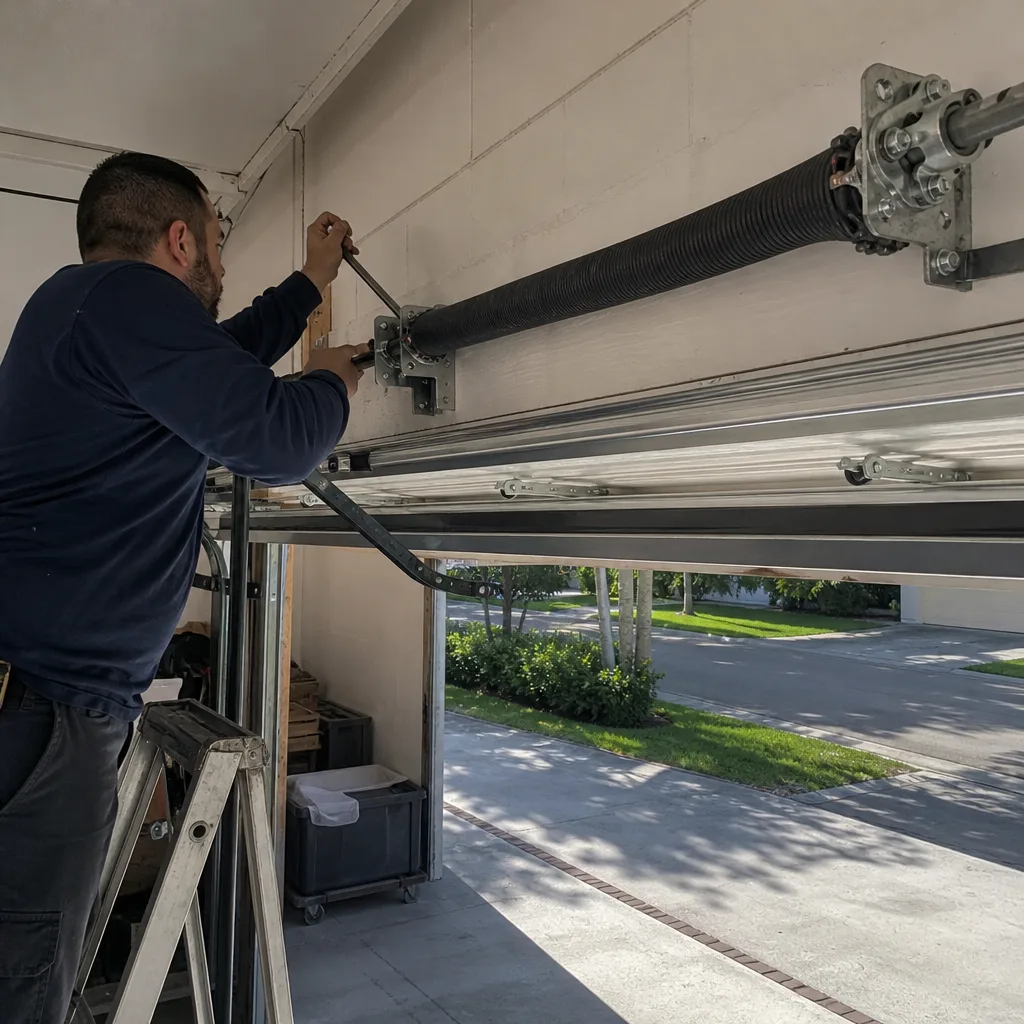
- Torsion or extension spring replacement. This is classified as a repair, though it’s dangerous work that should always be handled by a professional working with the specific spring type.
- Opener replacement when the door itself stays in place. The opener is an appliance, not part of the wind-rated door system.
- Lubrication, roller replacement, cable replacement, and hinge replacement are maintenance, not structural changes.
Here’s the nuance that trips up even experienced contractors: a “repair” that replaces enough of the door that its wind load rating could be compromised is treated as a replacement under Miami-Dade code. If you’re uncertain whether your project crosses that line, our team at Garage Door Repair in Miami can assess the scope and tell you exactly what the code requires before any work begins. We’ve walked through this determination with hundreds of Coral Gables homeowners, and the rule we apply is simple: if the door’s ability to resist wind pressure is unchanged, it’s a repair. If it isn’t, it’s a replacement.
The Florida Building Code, which Miami-Dade adopts with local amendments, requires permits for any work that involves “the removal or installation of any structural component.” A garage door in a hurricane zone is a structural component because it’s part of the building’s wind load resistance system. That’s not a technicality. It’s the core reason permits exist here.
Florida Building Code Chapter 16 and the Miami-Dade HVHZ Difference
Florida has the strictest garage door wind load requirements of any state, and within Florida, Miami-Dade County has the strictest of all. Understanding why requires knowing the difference between two zones that govern how your door is built and tested.
Most of Florida falls under what’s called the “windborne debris region.” Doors in these areas must meet the Florida Building Code Chapter 16 requirements for wind pressure resistance, based on the building’s risk category and location. The standard test is ASTM E330, which measures a door’s ability to withstand uniform static air pressure without failing.
Miami-Dade and Broward Counties occupy a different tier: the High-Velocity Hurricane Zone, or HVHZ. This designation appeared in the aftermath of Hurricane Andrew in 1992, which revealed that building codes at the time were catastrophically inadequate for South Florida’s wind exposure. Andrew destroyed over 25,000 homes in Miami-Dade alone, and a significant percentage of the structural failures involved garage doors blowing inward and pressurizing homes until roofs lifted off.
Under HVHZ rules, garage doors must:
- Pass ASTM E330 testing at a higher design pressure than required elsewhere in Florida. The specific rating depends on the door’s size, height above grade, and location within the structure.
- Pass ASTM E1886 and ASTM E1996 missile impact testing. A 9-pound 2×4 fired from a cannon at 34 mph must not penetrate the door. This simulates the debris field of a major hurricane.
- Bear a Notice of Acceptance (NOA) issued by the Miami-Dade County Product Control Division. This document certifies that the specific door model, in a specific size and configuration, has passed the required testing.
- Display the NOA number on the product itself or on its labeling, so a building inspector can verify that what was installed matches what was approved.
What does this mean for a Coral Gables homeowner? It means you cannot simply order any garage door from any national retailer and have it installed legally in your home. The door must have an active Miami-Dade NOA. Period. A door that’s perfectly legal in Orlando, Tampa, or Jacksonville is illegal in Coral Gables if it lacks this certification. We regularly encounter homeowners who purchased a door online at a great price, only to learn from the building department that they’ve purchased a door that cannot be permitted. At Coral Gables Garage Door Service home, we only recommend and install doors that carry current Miami-Dade NOAs, because we’ve seen too many budgets blown on doors that fail the very first paperwork check.
The wind load requirements are not abstract. For a typical 16×7 garage door on a single-family home in Coral Gables, the design pressure rating might be +/- 50 or +/- 60 pounds per square foot, depending on the home’s exact location and orientation. That’s not a number the homeowner needs to calculate, but it’s a number the installer needs to know, because it determines which track configuration, which gauge of steel, and which reinforcement struts are required for the door to be compliant.
What Is a Notice of Acceptance (NOA) and Why It Matters
The Notice of Acceptance is the single most important document in Miami-Dade garage door compliance, and most homeowners outside the industry have never heard of it. Here’s what it is and how to use it.
An NOA is a formal product approval issued by the Miami-Dade County Product Control Division under Section 8-12 of the Code of Miami-Dade County. It certifies that a specific building product, in this case a garage door system, has been tested and proven to meet the HVHZ requirements of the Florida Building Code and Miami-Dade County’s additional standards.
What an NOA covers:
- The specific manufacturer and product line (for example, a Clopay model 4300 or a Wayne Dalton 9100).
- The specific sizes tested. An NOA that covers a 16×7 door does not automatically cover a 16×8 door. Each size listed on the NOA was individually tested.
- The wind pressure rating for each listed size, expressed in pounds per square foot.
- The required reinforcement. If the approved assembly requires a strut on the top panel, the NOA will specify it.
- The hardware and anchoring requirements. The NOA typically references the specific track gauge, bracket type, and jamb fastener specification that must be used.
- The impact protection method, if applicable. Some doors rely on the door itself for impact resistance; others require an external screen or shutter.
How to verify an NOA: Miami-Dade County maintains a public database where you can search by manufacturer, product category, or NOA number. The database is at the Miami-Dade County Building Code Compliance Office website. Any contractor installing a garage door in Coral Gables should be able to show you the NOA for the specific door and size they’re proposing, before you sign anything.
Why this matters beyond compliance: an inspector will not pass a final garage door inspection without verifying the NOA. The insurance company providing your wind mitigation discount will not accept a non-NOA door as a compliant feature, which means you lose credits that in Miami-Dade can be worth hundreds or thousands of dollars annually on your Citizens Insurance policy. And when you sell your home, Florida Statute 689.261 requires you to disclose any unpermitted improvements. A garage door without an NOA is an unpermitted improvement, and once disclosed, it gives buyers leverage to demand a credit or walk away.
Brands like Wayne Dalton, Clopay, and Amarr all produce doors that carry Miami-Dade NOAs, but not every model from every brand is approved. The door must be checked against the specific NOA for that model and size. That’s part of what we do at Garage Door Installation in Miami for every project we quote, because we work from Coral Gables and we know this is the first question a building inspector will ask.
What Miami-Dade Inspectors Look For: Rough and Final
The inspection process for a garage door replacement in Miami-Dade County typically involves two visits: a rough inspection and a final inspection. Each has a checklist, and knowing what’s on the checklist prevents failed inspections and re-inspection fees.
Rough Inspection (when required):
In most simple door replacements where the opening is unchanged, only a final inspection is required. But if the header, jambs, or support structure is modified, the inspector will come for a rough inspection before the door is installed. During this visit, the inspector checks:
- Header and jamb integrity. The wood or steel framing must be dimensionally adequate to anchor the door’s track and hardware under the design wind load. Rot, termite damage, or undersized framing means the rough inspection fails.
- Anchoring surfaces. The inspector verifies that the surfaces the door will be anchored to are structural, not decorative trim. Anchoring to a vinyl-clad 1×4 that isn’t tied into the stud will fail.
- Opening dimensions match the permitted drawings and the door size proposed.
Final Inspection (always required):
After the door is installed, the inspector returns to verify the installation matches the approved plans and the NOA. This is where attention to detail makes the difference between a passing inspection and a stop-work order. The inspector checks:
- The NOA on the door. The inspector will look for the label or stamp that shows the door’s manufacturer, model, and NOA number, and cross-reference it with the submitted permit documents.
- Track gauge and configuration. The installed track must match the specification on the NOA. A heavier door on a lighter-gauge track won’t pass, even if the door itself is compliant.
- Reinforcement struts. If the NOA requires a strut on a specific panel, it must be present and installed with the specified fasteners.
- Anchoring hardware. The inspector verifies the size and type of fasteners used to connect the door system to the structure. Concrete wedge anchors, lag screws into studs, and through-bolts are all checked against the NOA’s requirements.
- Wind load rating for that specific opening. The inspector confirms the installed door’s rating matches what the design requires for that wall, that altitude, and that exposure. A door rated for +/- 40 psf won’t pass on a home that requires +/- 60 psf.
- Safety features, including the photoelectric sensors at the bottom of the door tracks, which are required by federal law and checked at final inspection.
The inspection fee is typically included in the permit fee, but re-inspection fees are not. A single failed inspection can add $100 or more to the cost and days or weeks to the timeline. In our experience installing doors across Coral Gables and Miami-Dade, the most common causes of failed inspections are mismatched track gauges, missing struts, and anchors that don’t match the NOA. Many of these issues are preventable with routine attention, which is why we also recommend our Garage Door Repair Maintenance Checklist for Coral Gables Homeowners. These are all preventable with a careful installer who reads the approval document before touching a wrench.
Unpermitted Work, Citizens Insurance, and Resale Disclosure
The hidden cost of an unpermitted garage door in Miami-Dade isn’t a fine from the building department. It’s what happens to your insurance and your property value. This is the section most guides either skip or gloss over, and it’s the one with the most financial weight.
Citizens Insurance and wind mitigation credits.
Citizens Property Insurance Corporation is the state-backed insurer of last resort in Florida, and in Miami-Dade County, most homeowners who still have windstorm coverage carry it through Citizens. Wind mitigation credits are discounts applied to your premium when your home has features that reduce wind damage risk: roof-to-wall connections, impact windows, and a wind-rated garage door.
Here’s the catch: Citizens Insurance can and does ask for documentation when a wind mitigation credit is claimed or renewed. If your garage door is brand new but doesn’t have a permit and doesn’t have a documented NOA, the credit may be disallowed. For a Coral Gables home with a typical Citizens policy, a garage door wind mitigation credit can represent several hundred dollars per year in premium savings. Losing it compounds annually for as long as you own the home.
Worse, if you suffer a claim and the adjuster discovers the garage door was replaced without a permit and in a non-compliant configuration, the claim for any related damage can be contested. We’ve seen homeowners only learn this after a storm, which is the worst possible time to find out.
Resale disclosure under Florida Statute 689.261.
Florida Statute 689.261 is the state’s seller disclosure law for residential property. It requires sellers to disclose “any improvements to the property that were made without a valid permit” to a prospective buyer before signing a purchase contract. The law applies to garage doors as much as to additions, electrical work, and plumbing.
If you replace a garage door in Coral Gables without a permit, and you sell the home, you must disclose this to the buyer in writing. Failure to disclose is grounds for the buyer to void the contract and pursue damages. Even if you do disclose, a buyer’s home inspector or a four-point inspection for insurance (required on most homes over 20 years old in Miami-Dade) will flag the door as an unpermitted improvement. That gives the buyer real negotiating leverage, typically in the form of a price reduction or a demand that you legalize the work retroactively, which is more expensive than permitting it correctly in the first place.
The math is simple. A garage door permit in Miami-Dade County costs a few hundred dollars. An unpermitted door can cost thousands in lost insurance credits, failed inspections, and reduced sale price. The risk isn’t theoretical. We serve Coral Gables homeowners who inherited unpermitted doors from previous owners, and the first call they make after their insurance renewal letter arrives is often the one where they ask how to fix it. For help spotting issues before they become costly, see our Garage Door Warning Signs: A Coral Gables Homeowner’s Reference Guide.
Coral Gables Specific Requirements and Local Context
Coral Gables operates under Miami-Dade County building jurisdiction but has its own Building and Fire Department that reviews and processes permits for work within city limits. This means your garage door permit in Coral Gables goes through a two-level review: city-level plan review and county-level product approval verification. The process is generally efficient, but it’s not identical to getting a permit in unincorporated Miami-Dade.
What Coral Gables homeowners should know:
- Historic district considerations. Coral Gables has one of the most extensive local historic district programs in Florida. If your home falls within a designated historic district or is a locally designated landmark, a garage door replacement may require Certificate of Appropriateness (COA) review by the Coral Gables Historic Preservation Board. This review considers the door’s material, style, panel pattern, and color. Vinyl-clad doors on Mediterranean Revival homes in the Country Club section are routinely flagged. Wood-studded doors, or steel doors fabricated to resemble them, are more commonly approved.
- Setback and design guidelines. Even outside historic districts, Coral Gables maintains strict architectural design standards. The garage door must be compatible with the dominant architectural style of the home. A contemporary aluminum full-view door on a 1920s Spanish Colonial in the Biltmore section will draw the attention of the city’s design review staff.
- Storm shutter requirements. Some Coral Gables neighborhoods have mandatory hurricane shutter retrofitting requirements tied to the city’s Comprehensive Emergency Management Plan. If your home is in one of these areas, the garage door’s wind and impact rating may be prescribed for you, and the permit process will reference it.
The practical takeaway for Coral Gables homeowners: don’t assume that a door that’s legal in Kendall or Cutler Bay is automatically approvable in Coral Gables. The city’s review process is more design-sensitive, and the historic district overlay adds a layer of scrutiny that doesn’t exist in most of the county. Working with a company that has navigated Coral Gables permits repeatedly will save you time and frustration. We’ve installed doors throughout Coral Gables, from the Gables by the Sea area to the Cocoplum section, and we know which questions the city’s reviewers will ask before they ask them.
The climate angle matters too. Coral Gables sits at the edge of Biscayne Bay, and homes in the southern part of the city, including Tahiti Beach and Gables Estates, experience significantly higher exposure ratings than homes further inland. A door that meets code for a home off Granada Boulevard might not meet the exposure requirements for a home on Leucadendra Drive. This is another reason the permit process exists: it forces the installer to account for location-specific wind exposure, not just a one-size-fits-all door rating.
Permit Fees and Timeline: What to Budget
Garage door permit costs in Coral Gables and Miami-Dade County are modest compared with the cost of the door itself, and the timeline is predictable if the paperwork is complete. Here’s what to expect.
Typical costs for a residential garage door permit:
- Miami-Dade County building permit fee: typically between $150 and $350 for a single garage door replacement, depending on the valuation of the work
- Coral Gables plan review fee: an additional $50 to $150 for the city-level review
- Inspection fee: usually included in the permit fee, but re-inspection fees typically run $75 to $125 per visit if the first inspection fails
- Contractor’s permit processing time: 1 to 5 business days for a simple replacement with complete NOA documentation
These are not quotes. They are ranges based on the published fee schedules we see regularly in our Coral Gables work. Your specific permit cost depends on the declared value of the work and the scope of the review.
The timeline for a typical garage door replacement in Coral Gables:
- Day 1: Contractor submits permit application with product submittal including the NOA for the specific door model and size.
- Days 2-5: City plan review and county product approval verification. For non-historic properties, this is usually complete in less than a week.
- Day of installation: Door is installed. If the opening was modified, the rough inspection occurs before door installation.
- After installation: Final inspection is scheduled. In Coral Gables, final inspection availability is typically within 2 to 5 business days of request.
- Passed inspection: The permit is closed and the work is formally completed.
For historic properties, add 2 to 4 weeks for COA review before the building permit can even be filed. This is the single biggest schedule variable in Coral Gables garage door work, and homeowners who skip this step early find themselves ordering doors that the Historic Preservation Board later rejects.
One more note on budget: the permit cost is a line item, but the NOA compliance can add to the cost of the door itself. A door that meets HVHZ testing standards carries engineering and testing costs that the manufacturer built into the price. This is not an area to cut corners. The cheapest compliant door will outperform the most expensive non-compliant door in every way that matters for a Coral Gables homeowner.
Repair vs. Replacement: Where the Line Actually Sits
Most homeowners are surprised to learn that the permission threshold is not about what they’re changing, but about what the change does to the door’s structural function. Here’s the practical line.
A repair is work that restores the door to its original condition without altering its wind load resistance. Replacing a torsion spring, swapping out a broken roller, replacing a hinge, or replacing a damaged section of track (when the replacement track is the same gauge as the original) are all repairs. No permit is required, and no inspection is triggered.
A replacement is work that changes the door’s structural assembly or its ability to resist wind pressure. Removing the entire door and installing a different one, even if it’s the same size, is a replacement. So is installing a door from a different manufacturer with a different NOA, modifying the track system to a different gauge, or changing the door’s reinforcement configuration. A permit is required, and the work must pass inspection before the door is considered legally installed.
The gray zone: replacing a door panel on a door that carries an NOA. A single panel replacement, when the door’s reinforcement struts and anchoring remain unchanged, is generally considered a repair. But if the replacement panel is a different gauge or material than the original, or if the door’s manufacturer no longer produces that model, the situation gets complicated. The door may no longer meet its original NOA specifications, and a conservative contractor will tell you it’s time for a permitted replacement.
Our repair-first philosophy at Coral Gables Garage Door Service applies here honestly: if a repair restores the door to compliant, functional condition, that’s what we recommend. We work on doors from Wayne Dalton, Craftsman, Raynor, LiftMaster, and others, and our technicians can identify what needs replacement and what doesn’t. But when a repair crosses into territory where the door’s structural rating is compromised, we’ll tell you plainly that the legal and safe path is a permitted replacement. This matters in Coral Gables, where wind is not an abstract risk but a recurring seasonal reality.
A Note on Garage Door Openers and Permits
The electric opener on your garage door is a separate component from the door itself, and it has its own set of rules. In Coral Gables and throughout Miami-Dade County, replacing a garage door opener does not require a building permit, because the opener doesn’t affect the door’s wind load resistance. The door itself remains the structural element, and the opener simply automates it.
However, there are two situations where opener work intersects with code considerations:
- New electrical circuit for a new opener. If your home doesn’t have an existing receptacle in the garage ceiling, and one needs to be added for the opener, that electrical work requires a permit and a licensed electrician in Coral Gables. The garage door contractor can handle the opener installation, but the electrical rough-in is separate work.
- Opener replacement on a non-compliant door. If the door itself was installed without a permit and lacks a valid NOA, adding a new opener doesn’t fix the underlying compliance problem. The door still needs to be legalized or replaced. We see this often when homeowners replace a failed opener on a door they didn’t realize was non-compliant, and the opener is fine while the door remains a disclosure and insurance issue.
At Garage Door Opener Repair in Miami, we handle opener repair and replacement across major brands, including LiftMaster, Chamberlain, Genie, and Craftsman, and we can tell you whether your opener issue is isolated or connected to a bigger compliance question on the door itself. Opener work doesn’t trigger the permit process, but it often reveals problems that do.
Common Mistakes to Avoid
- Buying a door online without checking the NOA. The most common mistake we see in Coral Gables, and the most expensive. A door is not legal in Miami-Dade just because it’s sold on a national website. Without a current NOA for that model and size, it cannot be permitted, and it cannot be installed legally anywhere in the county.
- Skipping the COA review on a historic home. For Coral Gables homes in historic districts, installing first and asking later triggers a stop-work order and a mandatory restoration process. The COA review costs a few hundred dollars and two to four weeks. Skipping it costs thousands and months.
- Treating track replacement as an automatic repair. If the replacement track is a different gauge, the door’s NOA may be invalidated. This is a code violation even if no one inspects it, because the door no longer matches its approved configuration.
- Letting a handyman install a hurricane-rated door. The installation details, including anchoring hardware and reinforcement struts, are part of the NOA. A general handyman unfamiliar with the NOA document will get them wrong, and the inspector will catch it.
- Confusing the door’s wind rating with the NOA itself. The wind rating is a number. The NOA is the document that proves the number applies to that specific size and configuration. Both matter, and one without the other is useless in Miami-Dade.
- Using a “free installation” national retailer without Miami-Dade experience. National retailers frequently subcontract installation to crews that don’t understand HVHZ requirements. The price looks good until the first failed inspection and the re-inspection fees start compounding.
- Assuming the permit is the contractor’s problem, not yours. The permit is issued for the property, and the compliance obligation stays with the property. If the contractor walks away and the permit is never closed, the unresolved permit becomes your problem when you try to sell.
See the difference
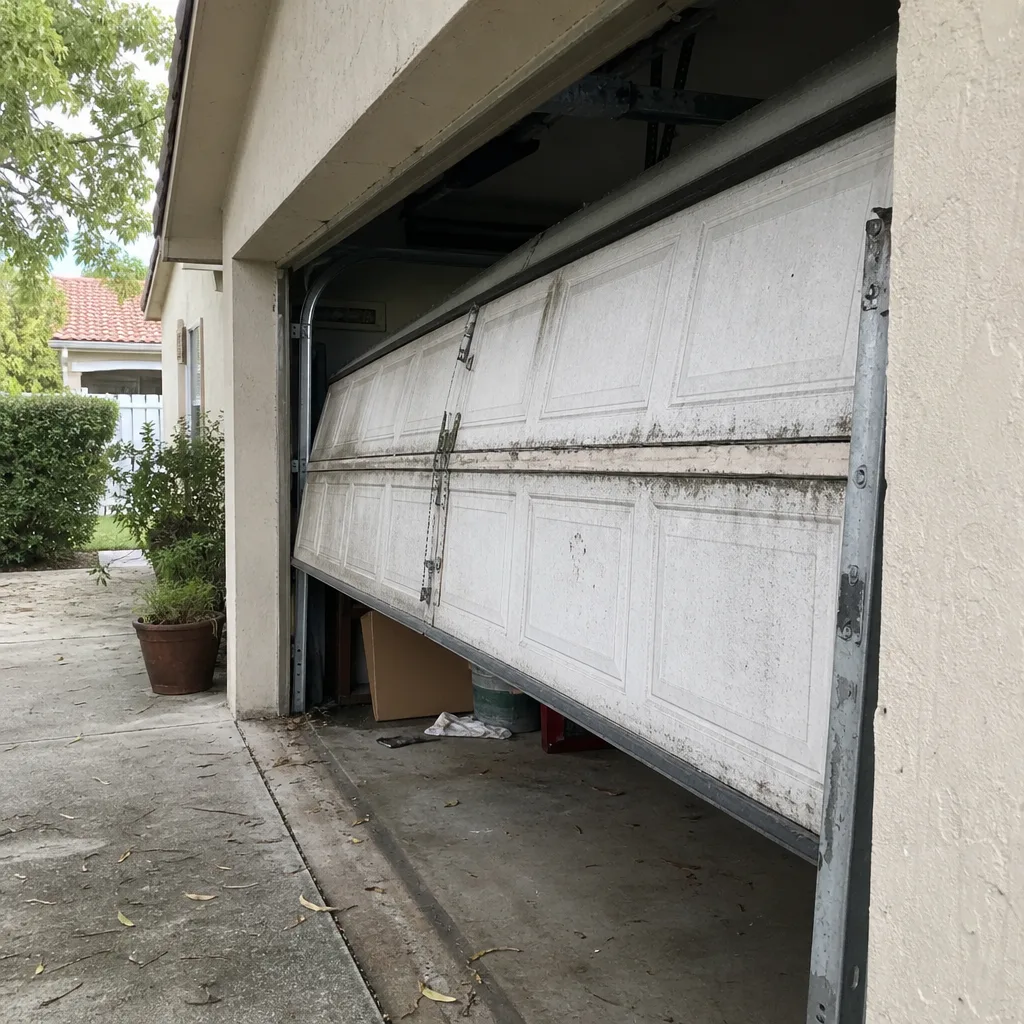 Before
 After
 Before
 After
 Before
 After
When to Call a Professional
Garage door work in Coral Gables sits at the intersection of structural engineering, local building code, and mechanical repair. The situations where you should absolutely bring in a specialist: the door is being replaced under any circumstances, the door lost its NOA documentation and you need to verify compliance, the track system is damaged or needs to be altered, the home is in a Coral Gables historic district, or the insurance company has asked for proof of wind mitigation compliance. Each of these scenarios carries financial and legal stakes that a generalist isn’t equipped to handle.
We recommend starting any garage door project in Coral Gables with a free estimate from a contractor who knows the local permit process cold. Coral Gables Garage Door Service offers free estimates in Coral Gables. Call (855) 752-9022 to schedule one, and we’ll tell you exactly what your project requires before you spend a dollar.
Frequently Asked Questions
Yes, if you’re replacing the entire door assembly or changing any part of its structural configuration, a permit is required in Coral Gables and throughout Miami-Dade County. Simple repairs like spring replacement, roller replacement, and opener replacement do not require a permit. Call (855) 752-9022 for a free estimate that includes a clear answer on your specific project’s permit requirements.
Miami-Dade County can impose fines for unpermitted work, typically starting at a few hundred dollars and increasing with the scope of the violation, but the real cost is rarely the fine itself. Unpermitted work voids insurance wind mitigation credits and triggers mandatory disclosure under Florida Statute 689.261 when you sell. For a Coral Gables homeowner, the financial damage from the insurance and resale impacts typically exceeds any building department penalty.
A standard garage door replacement permit in Coral Gables takes 1 to 5 business days for plan review and product approval verification, followed by final inspection within 2 to 5 business days of installation. Homes in historic districts add 2 to 4 weeks for Certificate of Appropriateness review before the building permit can be filed. Call (855) 752-9022 and we’ll give you a realistic timeline for your specific property.
Florida allows homeowners to act as their own contractor on their primary residence, but in Miami-Dade the practical barriers are high: you must prepare your own permit drawings, provide the NOA documentation, and pass the same inspections. Most homeowners end up failing the inspection over anchoring or reinforcement details, paying re-inspection fees, and ultimately hiring a professional anyway. For a hurricane-rated door in Coral Gables, professional installation is the more economical path in most cases.
Several manufacturers produce doors that carry Miami-Dade NOAs, including Wayne Dalton, Clopay, Amarr, and Raynor, but not every model from every brand is approved. The door must be verified against the specific NOA for that model, size, and wind pressure rating. Coral Gables Garage Door Service works with all four of these brands and verifies NOA compliance before recommending any door for a Coral Gables home. Call (855) 752-9022 for a free consultation that includes an NOA check.
No, a garage door opener replacement does not require a building permit in Coral Gables or anywhere in Miami-Dade County, because the opener doesn’t affect the door’s structural wind load resistance. Adding a new electrical receptacle to power the opener does require an electrical permit. If your door itself was installed without a permit, adding a new opener doesn’t fix the underlying compliance problem. The door still needs to be legalized or replaced.
The Bottom Line
Garage door permits in Coral Gables and Miami-Dade County exist for one reason: Hurricane Andrew demonstrated what happens when a garage door fails in high wind, and the building code has never looked back. The requirements are strict because the stakes are real. A permitted, NOA-compliant door protects your home during a storm, keeps your insurance credits intact, and doesn’t become a liability when you sell. The process is predictable if you work with a contractor who knows what the city and county require, and the cost of doing it right is modest compared with the cost of doing it wrong. For Coral Gables homeowners, the smart move is to verify the NOA, pull the permit, and pass the inspection the first time. Call Coral Gables Garage Door Service at (855) 752-9022 for a free estimate and a compliance review on the door you have or the door you’re planning to install.
Written by the team at Coral Gables Garage Door Service, serving Coral Gables since 2014.