Last updated October 31, 2026
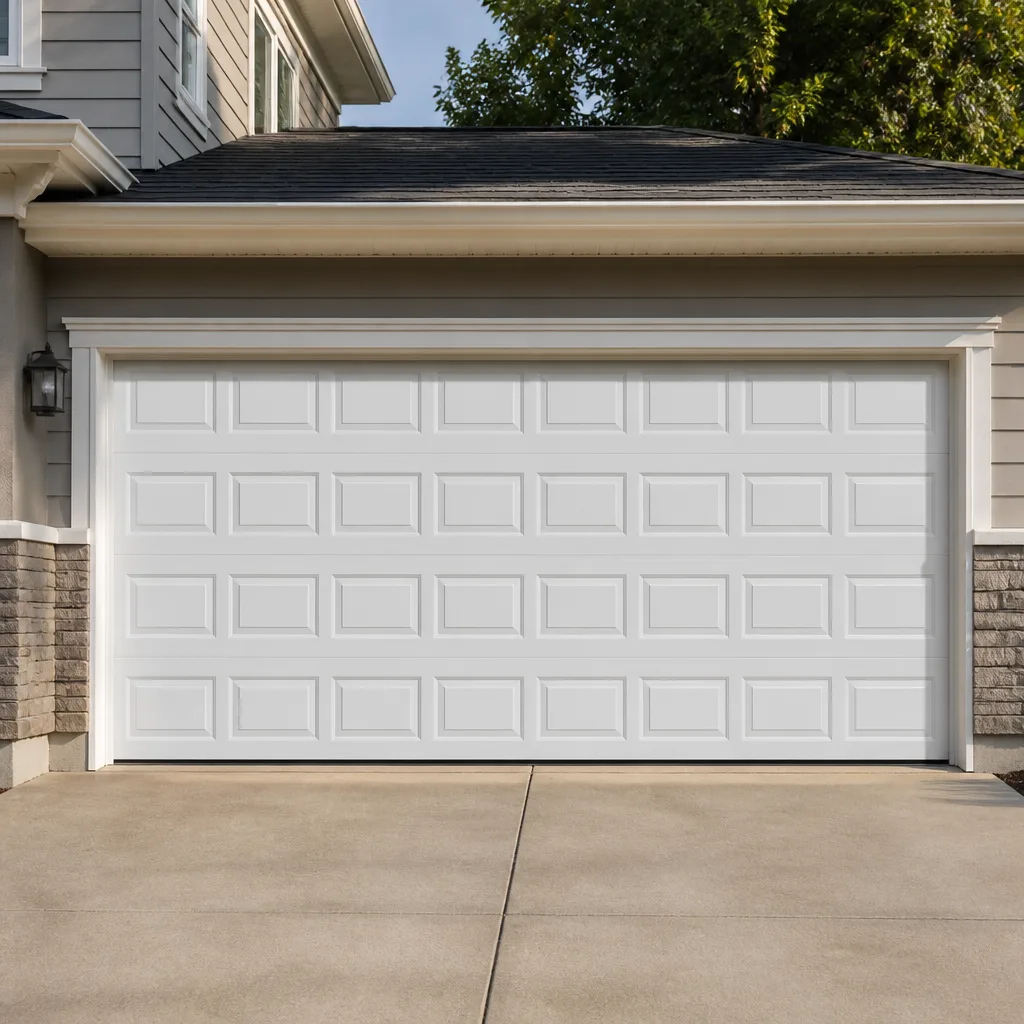 Raised-panel steel
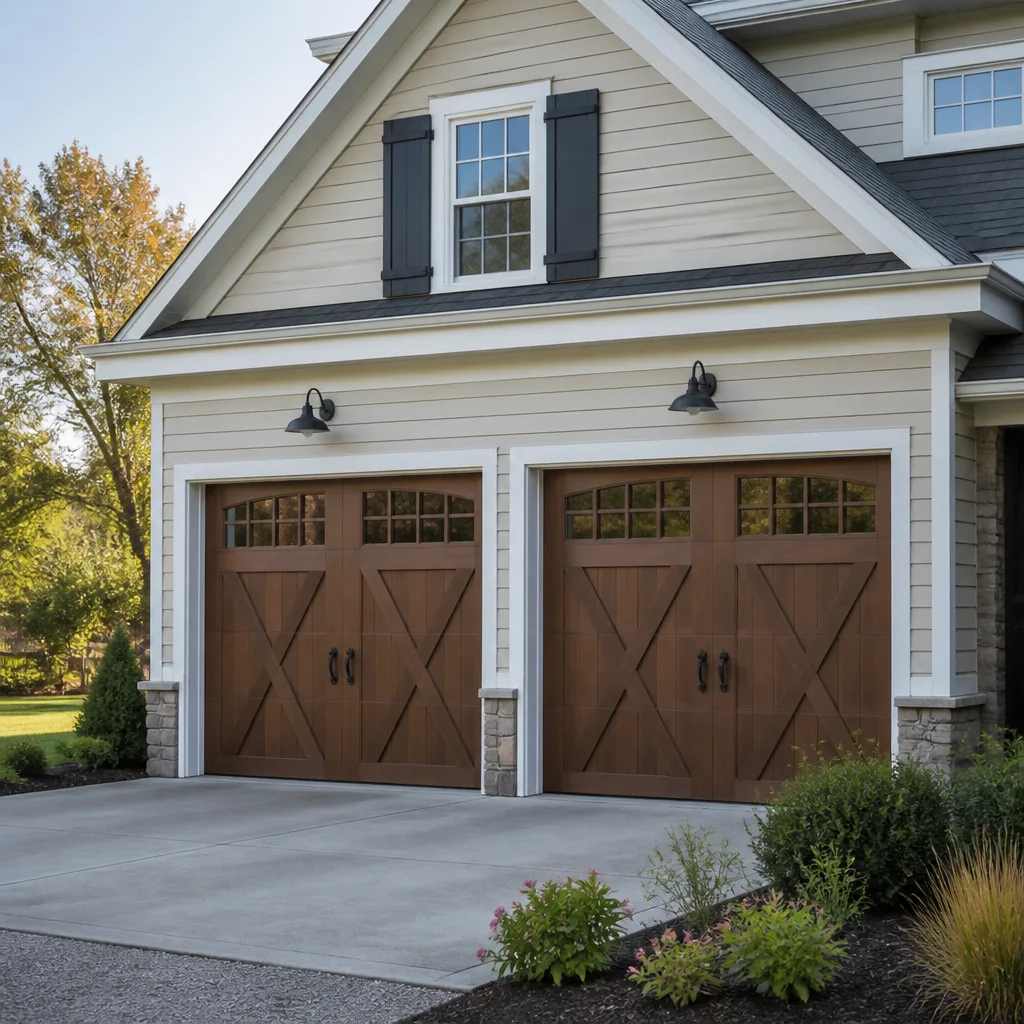 Carriage house
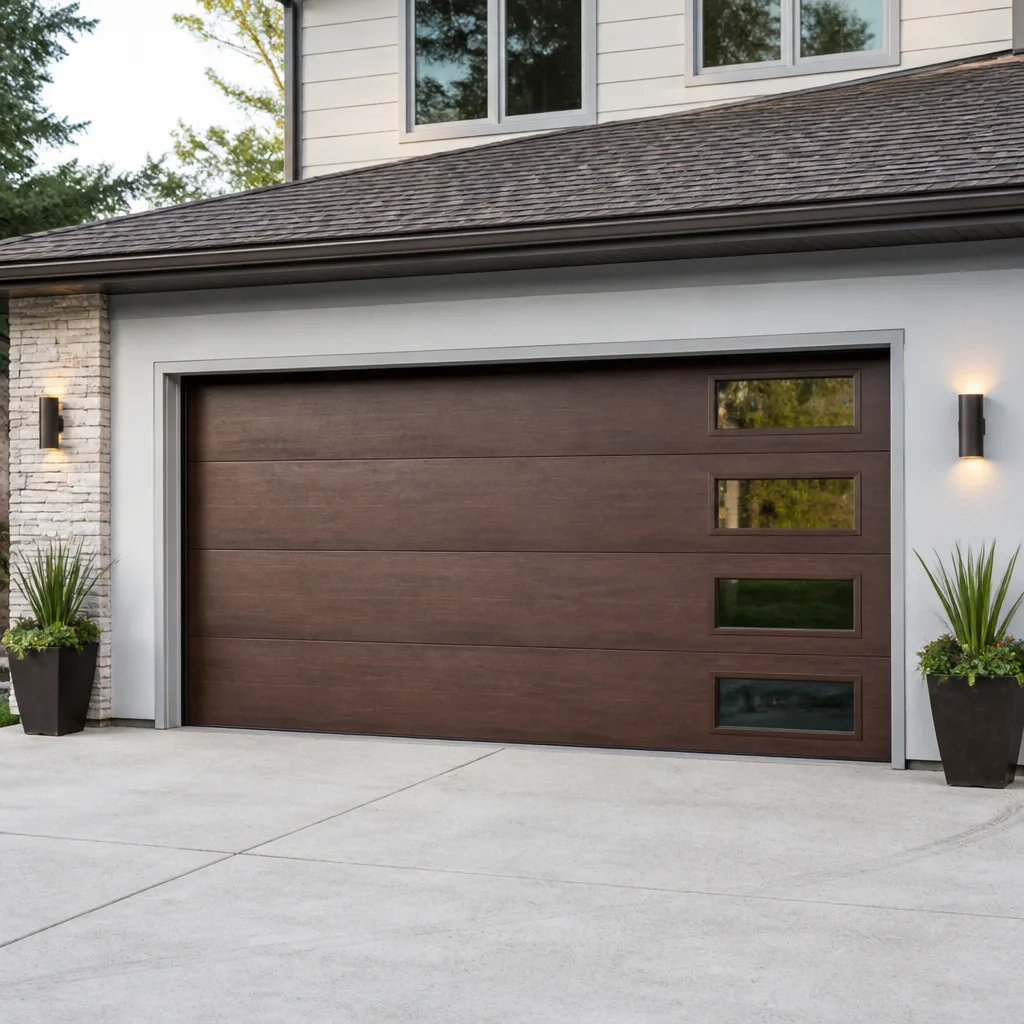 Modern flush
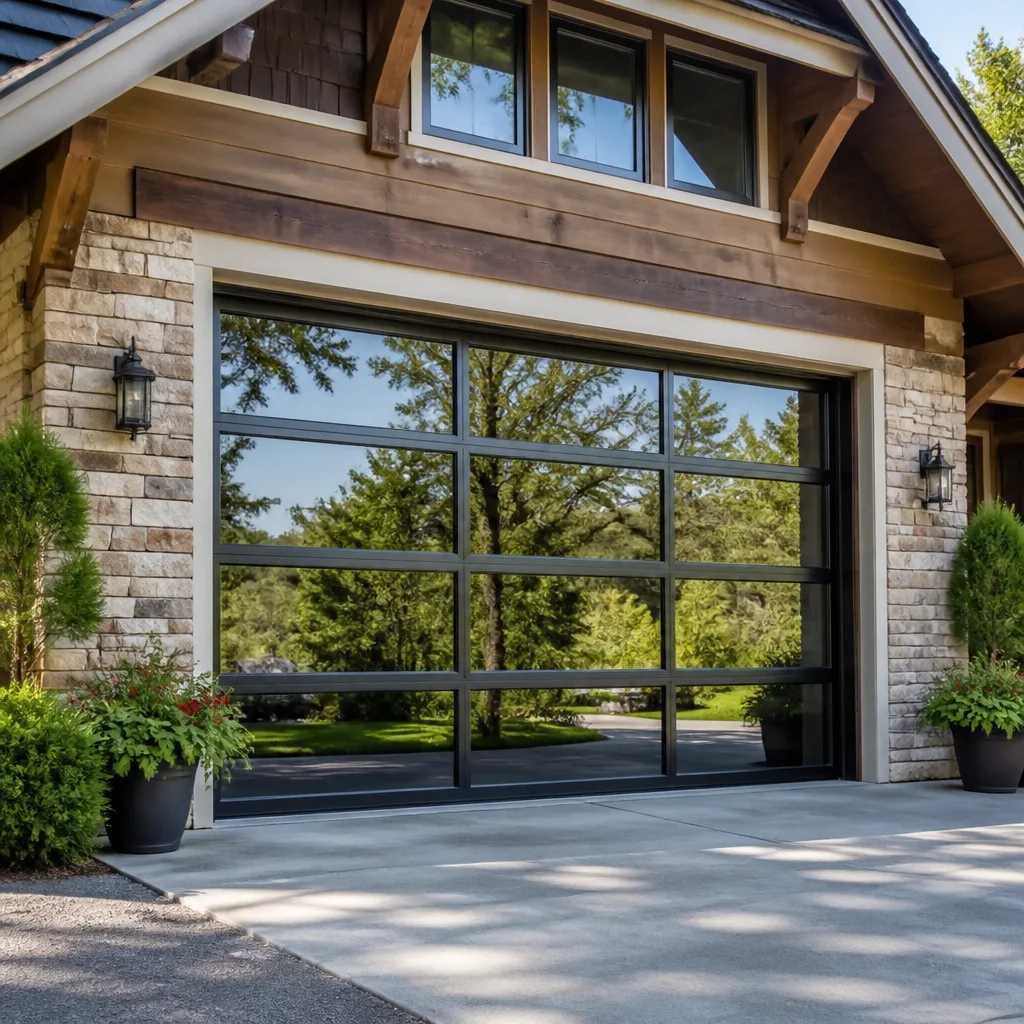 Full-view glass
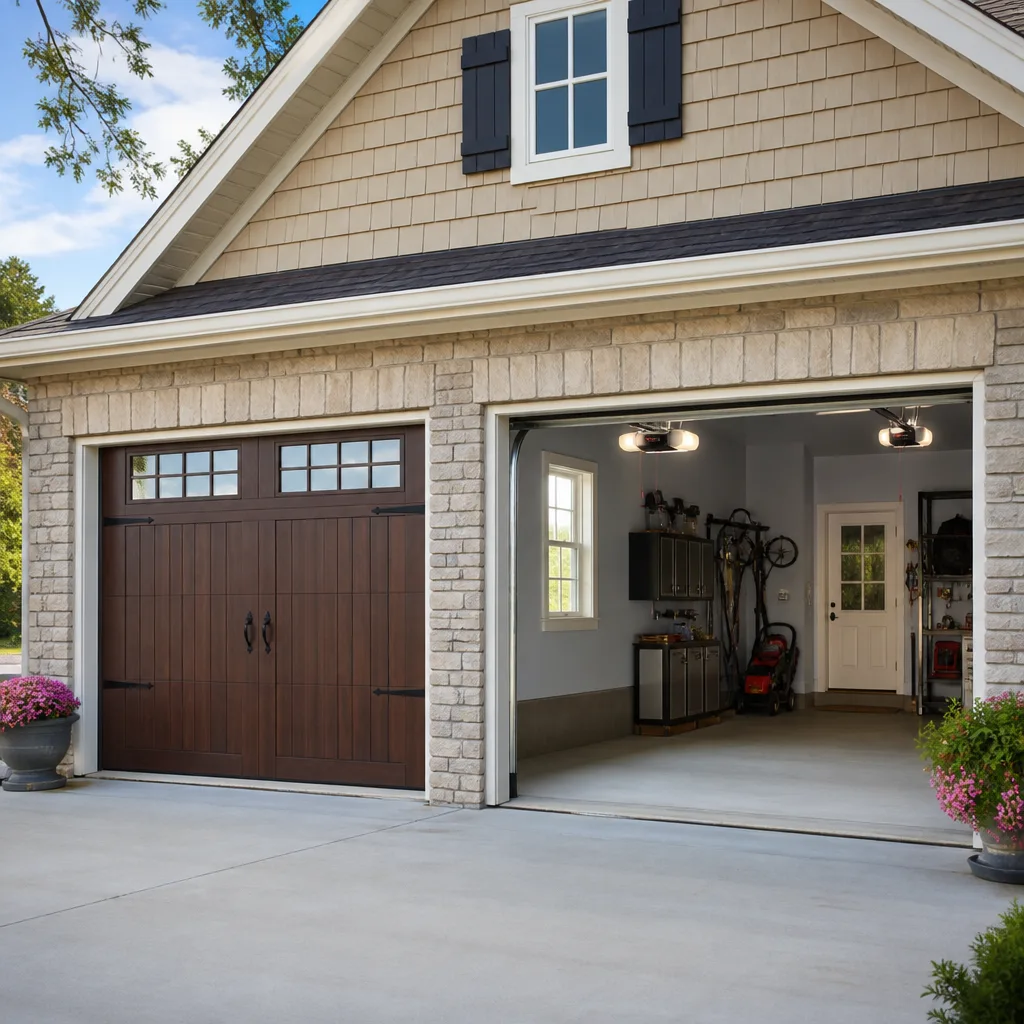 LiftMaster openers
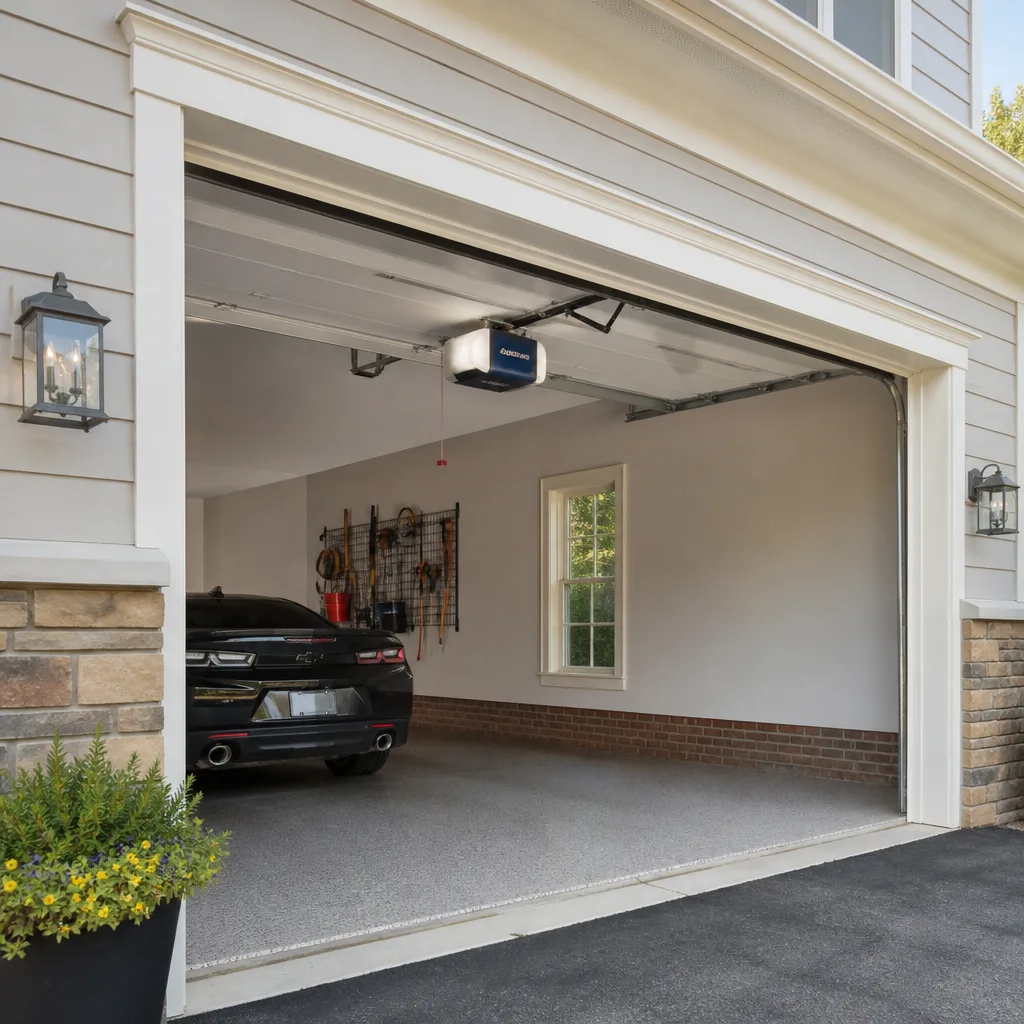 Chamberlain openers
Full 25-point door and opener safety check with every visit - springs, cables, rollers, tracks, and your LiftMaster or Chamberlain opener included
You get a price before we start. It does not change when the truck arrives.
Get your free estimateThe Complete Garage Door Repair Guide for Coral Gables Homeowners
Most The Complete Guide to Garage Door in Coral Gables readers know typical repair guides read like they were written for a subdivision outside Columbus. Flat terrain, low humidity, no salt in the air, and a building code that treats a garage door as a cosmetic feature rather than a structural component. Coral Gables is none of those things. Your home sits roughly three miles from Biscayne Bay, inside one of the strictest building-code jurisdictions in the country, in a city where HOA finish rules can dictate what color your replacement panel is allowed to be. This guide is built around the three realities every Coral Gables homeowner faces: salt air corrosion, Miami-Dade wind-load compliance, and HOA design standards. By the end, you’ll know which repairs are straightforward, which ones require code-compliant parts, and when a garage door problem in Coral Gables is genuinely dangerous to touch yourself.
Quick Answer
Our Garage Door Repair services in Coral Gables typically cost $150 to $600 depending on the component (springs, cables, rollers, panels, or opener), and most repairs are completed same-day by a multi-brand specialist. The critical local factor is Miami-Dade County code: any part that contributes to wind-load resistance must meet NOA (Notice of Acceptance) standards, which means certain spring, track, and panel replacements legally cannot be done with bargain generic parts. If your door is more than 12 years old and shows salt-air corrosion on steel components, a repair-first diagnosis from a brand-fluent technician is almost always cheaper than a full replacement, but only if the underlying hardware still meets current wind-load code.
Table of Contents
- Salt Air Corrosion: What It Does to Your Door and What to Do First
- Miami-Dade NOA Requirements: What Can Legally Be Swapped During a Repair
- HOA Finish Rules in Coral Gables and How They Constrain Panel Replacement
- Which Repairs Are DIY-Safe in Florida’s Climate (and Which Get Dangerous Faster)
- How to Document Repairs for Homeowner’s Insurance in Miami-Dade
- Spring Repair: Torsion vs. Extension and Why Type Matters More Near the Coast
- Opener Repair vs. Replacement: A Multi-Brand Diagnostic Approach
- What Garage Door Repairs Actually Cost in Coral Gables
- Common Mistakes to Avoid
- When to Call a Professional
- Frequently Asked Questions
- The Bottom Line
Salt Air Corrosion: What It Does to Your Door and What to Do First
The Atlantic is closer than you think. Homes in the Hammock Oaks and Cocoplum neighborhoods sit close enough to Biscayne Bay that prevailing east winds carry salt aerosol year-round. Salt particles settle on every exposed metal surface, and when combined with South Florida’s 75 percent average humidity, they form a mild saline solution that accelerates oxidation. A galvanized steel door that would last 25 years in Orlando can show visible corrosion at the bottom panel and hardware points within 8 to 12 years in Coral Gables.
What corrosion looks like on each material
- Galvanized steel doors: Rust first appears at panel edges, the bottom weather seal retainer, and around hinge bolts. This is the most common door type in Coral Gables homes built before 2005, and it corrodes fastest of the three.
- Aluminum doors: Aluminum doesn’t rust, but it does oxidize. You’ll see white or gray pitting, especially on the interior face of the bottom panel. Pitting is cosmetic at first but can eventually compromise the panel’s structural stiffness.
- Wood composite doors: Best at resisting salt air on the panel surface, but the internal hardware (hinges, brackets, track fasteners) is still steel and corrodes on the same timeline.
The repair-first approach to corrosion
If corrosion is limited to rollers, hinges, or the bottom bracket, those components are replaceable without touching the panels. Clopay and Amarr both manufacture stainless-steel hinge and roller options that resist salt air far better than the standard galvanized hardware most builders install. When we diagnose a corroded door in Coral Gables, our first check is whether the panel skin is still intact. If it is, replacing hardware with marine-grade alternatives is usually a third of the cost of a new door. If the bottom panel itself is rusting through, that’s a panel replacement situation, and HOA rules may come into play (more on that below).
One more local factor: homes with saltwater pools in the backyard deal with chlorine vapor that drifts toward the garage. Chlorine accelerates corrosion on the lower panel and track even more aggressively than salt air alone. If your garage door faces the pool, inspect the bottom two feet of track every six months.
Miami-Dade NOA Requirements: What Can Legally Be Swapped During a Repair
Miami-Dade County has the strictest wind-load standards for exterior building components in the continental United States. Every garage door installed in Coral Gables must carry a current NOA (Notice of Acceptance) from the county’s Product Control Division. This isn’t a suggestion. It’s building code. And it directly affects what can and cannot be done during a repair.
The parts that trigger NOA compliance issues
- Springs: Torsion springs are sized to the door’s weight and wind-load rating. Swapping a spring for a generic one with a different IPPT (inch-pounds per turn) rating changes the door’s cycle life and can affect balance during high-wind conditions. Technicians working in Coral Gables should only install springs that match the original wind-load specification.
- Track and mounting brackets: These are part of the door’s uplift resistance path. Installing thinner-gauge track or weaker mounting hardware to save $30 violates code and can fail during a category 1 or category 2 storm.
- Panels: A replacement panel must match the original door’s wind-load certification. Mixing a non-rated panel into a wind-rated door invalidates the entire door’s NOA.
- Opener replacement: The opener itself is not part of the wind-load path, but the bracket connecting the opener arm to the door is. Use the manufacturer’s reinforced bracket for wind-loaded doors.
What this means in practice
Here’s the same scenario playing out two different ways. A homeowner in Pinecrest (not in Miami-Dade’s wind-load bulletin zone) has a broken torsion spring. A technician shows up with a generic spring from his truck, installs it in 45 minutes, and it works. The same homeowner with the same door in Coral Gables gets a spring that doesn’t match the door’s wind-load rating, and the next hurricane inspection reveals the door is no longer compliant. The inspector flags it, the homeowner’s insurance carrier is notified, and now there’s a $1,800 door replacement instead of a $275 spring repair.
This is exactly why the multi-brand repair model matters. A technician who services LiftMaster, Chamberlain, Genie, Clopay, Amarr, Wayne Dalton, Craftsman, and Raynor systems on a weekly basis is far more likely to have the correct wind-load-rated springs and hardware on the truck for your specific door than a handyman who works on whatever shows up on his app. The parts have to match the door’s original NOA certification, and that means knowing the door’s make, model, and wind-load rating before the truck is even dispatched.
For more on how Miami-Dade code affects repairs across the broader metro area, see our Garage Door Repair in Miami guide, which covers the county-level requirements in depth.
HOA Finish Rules in Coral Gables and How They Constrain Panel Replacement
Coral Gables has some of the most active HOA review boards in South Florida. Communities like the Biltmore section, Deering Bay, and Snapper Creek Lakes all maintain architectural guidelines that extend to garage doors. The Coral Gables Historic Preservation Board adds another layer for homes in designated historic districts, where even the garage door’s visual character is protected.
Common HOA constraints in Coral Gables
- Color matching: Many HOAs require that all visible garage door panels match the original builder’s finish or a pre-approved palette. Sun fading on a 10-year-old door means the “same” color from the manufacturer will not match. Board members will notice.
- Panel style: Carriage house and Mediterranean architectural styles dominate Coral Gables. HOAs in those communities often restrict panel replacements to the same style, which eliminates many cost-cutting options.
- Window inserts: Some HOAs prohibit new window inserts or restrict them to certain glass opacity levels. Adding windows to a replacement panel can trigger an architectural review.
- Approval timelines: Architectural review boards in Coral Gables typically meet once a month. A full door replacement might require a 30-day wait for approval before the work can begin. Panel-only replacements that match the original door exactly usually skip this step.
What you can do without triggering an HOA review
Mechanical repairs are almost never subject to HOA approval. Springs, rollers, hinges, cables, tracks, and opener work are functional components, not visible finishes. If your door squeaks, shakes, or won’t open, repair work can proceed immediately. The HOA only enters the picture when a visible panel, color, or design element changes. A knowledgeable technician can tell you during the estimate whether your repair will cross into architectural-review territory. Raynor and Wayne Dalton both offer panel matching programs that pull the original builder’s finish code, which helps when the HOA insists on an exact match.
If you’re considering a full door replacement and want to understand how brand choice affects HOA compatibility, our Garage Door Installation in Miami page walks through manufacturer finish options that satisfy most Coral Gables architectural boards.
Which Repairs Are DIY-Safe in Florida’s Climate (and Which Get Dangerous Faster)
There’s a repair hierarchy. Some garage door tasks are genuinely fine for a homeowner with a socket set and an afternoon. Others are life-threatening injuries waiting to happen, and South Florida’s heat genuinely makes some components more dangerous than the same part in a temperate climate. See DIY vs Professional Garage Door: The Coral Gables Homeowner’s Decision Guide for the full breakdown.
DIY-safe tasks (low risk, minimal tools)
- Lubricating rollers and hinges. Use a silicone-based lube on the metal-to-metal contact points twice a year. Lithium grease is a good alternative for the torsion spring. Both products are available at any Coral Gables hardware store.
- Tightening track mounting bolts. High heat causes metal to expand and contract daily, which can loosen bolts over time. A socket wrench and 10 minutes fixes this. Check the bolts where the track meets the wall and the ceiling plate.
- Replacing the bottom weather seal. The rubber strip at the bottom of the door degrades in UV and heat. You can slide the old seal out and a new one in with no special tools. This prevents water intrusion during afternoon thunderstorms.
- Testing the auto-reverse safety feature. Place a 2×4 flat on the ground under the door’s path, close the door, and verify it reverses within two seconds of contacting the wood. Do this monthly. Every modern door (post-1993) has this feature.
- Cleaning the photo-eye sensors. Wipe the lenses with a dry cloth if the door refuses to close. Dust and afternoon rain residue build up on the lens surface.
Never DIY these (call a trained professional)
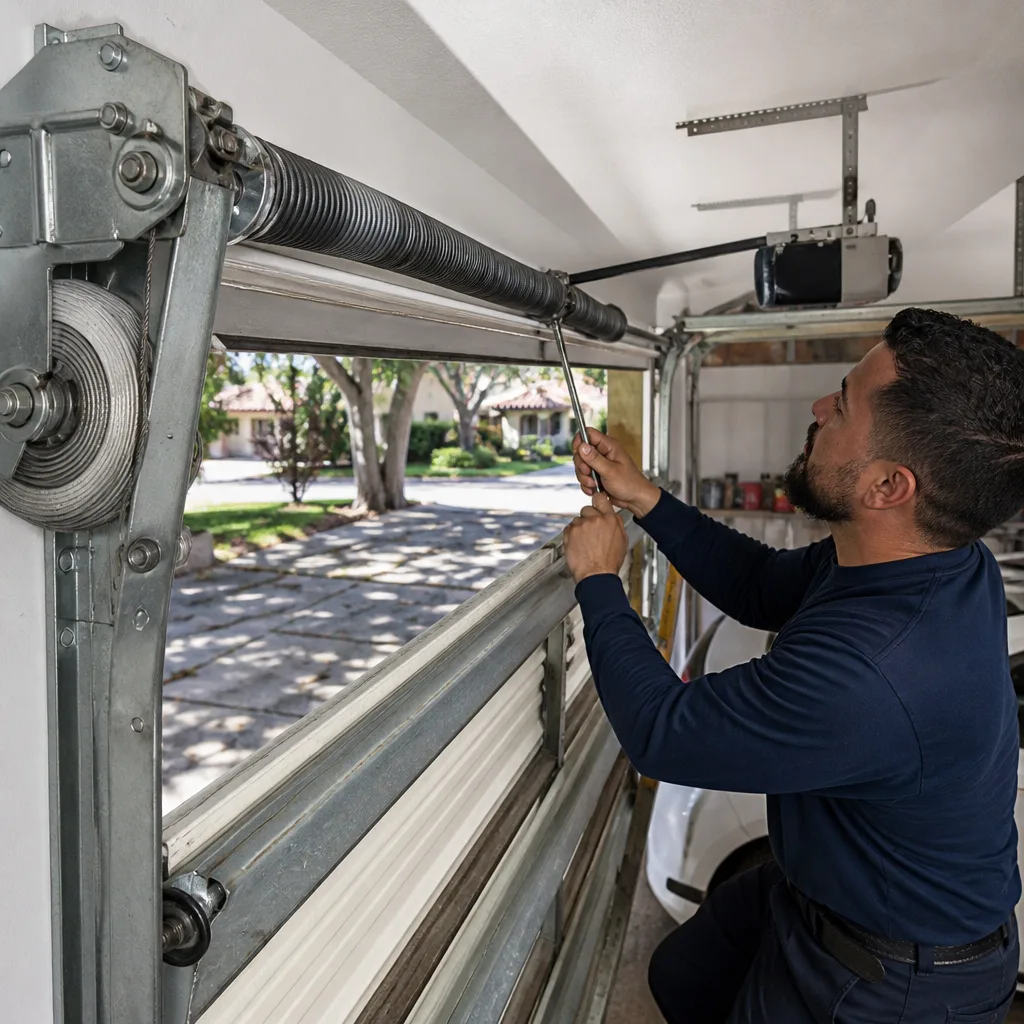
Torsion springs are the primary one. A torsion spring on a 16-foot double door holds enough stored energy to cause severe injury or death if it releases while you’re working on it. The spring is wound under tension, and unwinding it requires proper winding bars inserted into the correct holes on the cone. In South Florida’s heat, metal fatigue on a 10-year-old spring makes an already dangerous job worse: the spring’s surface temperature can exceed 140°F on a summer afternoon, and the metal is more brittle than it would be in cooler conditions. Extension spring systems are less dangerous than torsion, but a flying spring or cable under load is still capable of breaking bones.
Lift cables are the second one. The cable carries the door’s full weight when the spring tension is released. If a cable snaps while you’re working near the drum, the stored spring energy releases through the cable path. Professional technicians replace cables while the door is locked in the full-open position and the spring is unwound. This is not a job for a Youtube tutorial.
Track realignment around the bottom corner. The bottom track brackets absorb the most lateral force during opening and closing cycles. In Coral Gables, the combination of salt air corrosion on the bracket bolts and thermal expansion from heat can make these bolts seize. A seized bolt that snaps during DIY removal often leaves the bracket thread stuck inside the wall or the door, which turns a $150 track adjustment into a $400 bracket and track replacement.
The right way to think about it: if the part is under load, don’t touch it. If the part is a wear item or a sensor, DIY is fine. When in doubt, a professional diagnostic call is cheaper than a hospital visit. Call (855) 752-9022 and we’ll tell you over the phone whether what you’re looking at is safe to touch.
How to Document Repairs for Homeowner’s Insurance in Miami-Dade
Homeowner’s insurance in Miami-Dade is expensive, and carriers are aggressive about denying claims when documentation is thin. Wind-damage claims on garage doors are among the most contested because insurance adjusters know that improper maintenance is the most common cause of garage door failure during storms. A door that fails because a spring was 14 years old and rusted is maintenance failure. A door that fails because a new, properly installed spring snapped under documented wind load is an insurance event. Documentation is the difference.
The documentation workflow for any garage door repair
- Take “before” photos. Document the condition of the door, hardware, springs, and track before any repair begins. Insurance adjusters want to see that the door was in reasonable working order prior to the repair. Three or four photos from different angles is adequate.
- Request a written diagnostic report. Any repair in Coral Gables should include a written description of what failed, why it failed, and what parts were installed. This report becomes the baseline for future claims. If a spring fails again in two years, this report proves the original replacement was done with the correct wind-load-rated part.
- Keep the NOA documentation for replacement parts. When a new spring, panel, or door is installed, the part’s NOA number should appear on the invoice. Save this. It’s the proof that the repair maintained the door’s wind-load compliance.
- Photograph the completed repair. Match your “after” photos to the “before” photos. This gives the adjuster a visual timeline.
- Submit the invoice to your insurance agent. Repairs and replacements that involve wind-load compliance or structural hardware should be on file with your carrier. It strengthens your position on a future claim and documents that the home was maintained to code.
One note specific to Miami-Dade: carriers here ask for wind-mitigation inspections when you renew your policy. A garage door that’s been repaired with proper documentation earns wind-mitigation credits. A door with undocumented repairs or non-compliant parts can cost you a discount or trigger a non-renewal notice. The paperwork is part of the repair.
Spring Repair: Torsion vs. Extension and Why Type Matters More Near the Coast
Springs are the most-repaired component on any garage door, and in Coral Gables they fail on a predictable timeline. Salt air shortens the life of galvanized steel springs by roughly 20 to 30 percent compared to the same spring in an inland climate. A torsion spring rated for 10,000 cycles in Ohio may only last 7,000 to 8,000 cycles in a home near the bay. At three open-close cycles a day, that’s roughly 7 years of service before you should expect a failure.
The two spring systems explained
Torsion springs sit above the door on a metal shaft. They twist to store energy, and they lift the door by unwinding. They’re the dominant system in Coral Gables homes because they handle wider doors better and balance heavy wind-load-rated doors more evenly. Most modern Gables homes have one or two torsion springs on a shaft overhead.
Extension springs run along both sides of the horizontal tracks. They stretch to store energy and contract to lift the door. You find them on lighter doors and older homes. They’re more affordable to replace, but they don’t provide the same level of balance control on wide double doors.
Why spring type matters for repair decisions
Repairing a torsion spring on a wind-load-rated door requires matching the spring’s wire diameter, inside diameter, length, and IPPT rating to the original specification. Guessing is not acceptable. A spring that’s slightly too weak causes the opener to work harder and burnout prematurely. A spring that’s slightly too strong slams the door against the floor and creates stress fractures in the panel joints.
Extension springs fail differently: they snap suddenly, and the safety cable running through the center of the spring is what prevents the broken spring from flying across the garage. If your door has extension springs, check that the safety cable is present and intact. If it’s missing, the spring is an unguided missile waiting to launch. We replace missing safety cables on every extension spring repair we do in Coral Gables.
Repair-first philosophy for springs
When a spring breaks, the right response is almost always replacement of the broken spring (or both springs if one is worn), not replacement of the door. Springs are consumable. Doors are not. A door in good structural condition with a functioning opener almost never needs to be scrapped because a spring failed. We routinely replace springs on 15-year-old Clopay and Amarr doors in Coral Gables and get years of additional service from them. The key is matching the spring to the door’s make, model, and wind-load rating, and using corrosion-resistant spring coating where possible.
If your door is one of the older extension-spring systems and you’re tired of replacing springs every four years, a torsion spring conversion is a legitimate upgrade. It’s a half-day job, it requires recalibrating the entire door balance, and in Coral Gables it should only be done with a new spring that matches the door’s wind-load requirement. We do these conversions regularly for homeowners in the Gables who want to stop thinking about springs for a decade.
Opener Repair vs. Replacement: A Multi-Brand Diagnostic Approach
The opener is the most misunderstood garage door component. When an opener fails, three-quarters of the time the problem is mechanical (door balance, rollers, track) not electrical. A door that’s out of balance overloads the opener on every cycle, and eventually the opener’s internal gears strip or the logic board overheats. Replacing the opener without fixing the underlying balance problem means you’ll replace the new opener in half the time.
The three drive systems and what fails on each
- Belt drive openers (LiftMaster and Chamberlain dominate here): The belt itself rarely breaks. The most common failures are the drive gear inside the motor housing and the logic board. Belt-drive units are the quietest and the best choice for garages under or adjacent to bedrooms in Coral Gables homes.
- Chain drive openers (Craftsman systems are common in Gables homes built from the 1990s through 2010s): Chains stretch over time and need periodic tensioning. The sprocket on top of the motor wears down, especially with salt air accelerating surface rust. Chain-drive units are louder but last longer with proper maintenance.
- Screw drive openers (Genie is the primary brand): The screw thread is a sealed, lubricated rail. In Coral Gables heat, the lubricant degrades faster than in cooler climates, leading to a whining noise and slower operation. If the screw is still intact, a cleaning and re-lubrication with the manufacturer’s recommended grease usually resolves it. If the screw is stripped, replacement is the only option.
Diagnostic approach that saves money
- Check the door balance first. Disconnect the opener and lift the door manually. It should stay open at the halfway point and lift with minimal effort. If it doesn’t, the springs are the problem, not the opener.
- Listen to the motor. A humming sound with no movement is the capacitor or the drive gear. A grinding sound is the gear stripping. A clicking sound with no motor response is the logic board or the wall control.
- Test the photo-eye sensors. Hold the wall button down and see if the door closes. If it does, the sensors are misaligned or dirty, and nothing is wrong with the opener.
- Check the MyQ or Wi-Fi connectivity. LiftMaster and Chamberlain smart openers lose connection when the home’s router changes or the garage is too far from the router. A 55-inch-height physical issue is not involved. Re-pairing the opener to the app usually fixes remote access problems.
If you’re in Coral Gables with a Genie screw-drive opener that’s making noise, a Craftsman chain-drive that’s slipping, or a LiftMaster that won’t connect to MyQ, the repair path is usually far cheaper than a new opener. For more detail on brand-specific opener diagnostics, see our Garage Door Opener Repair in Miami guide.
What Garage Door Repairs Actually Cost in Coral Gables
Pricing in the Gables runs about 10 to 20 percent higher than the Miami metro average because service providers here deal with HOA compliance, wind-load documentation, and higher operating costs. That’s the market reality. Here’s what you should expect to pay for the most common repairs in Coral Gables right now:
| Repair Type | Typical Cost Range in Coral Gables | Time on Site |
|---|---|---|
| Torsion spring replacement (single spring) | $180 – $340 | 45 – 90 minutes |
| Torsion spring replacement (both springs) | $280 – $520 | 60 – 120 minutes |
| Extension spring replacement (pair) | $140 – $260 | 30 – 60 minutes |
| Cable replacement (one side) | $110 – $190 | 30 – 60 minutes |
| Roller replacement (set of 8-12 nylon rollers) | $130 – $240 | 45 – 75 minutes |
| Bottom weather seal replacement | $70 – $130 | 20 – 30 minutes |
| Opener logic board replacement | $160 – $320 | 45 – 90 minutes |
| Track realignment and bracket repair | $140 – $280 | 45 – 90 minutes |
| Full panel replacement (bottom panel) | $350 – $750 | 2 – 4 hours |
| Complete door replacement (16′ wind-load-rated double door) | $1,900 – $4,500 | 4 – 8 hours |
Three factors push a Coral Gables repair toward the high end of these ranges. First, wind-load-rated doors use heavier springs and hardware, which cost more than standard parts. Second, HOA color matching on panel replacements adds time and material cost. Third, if the technician has to pull NOA documentation for a replacement part, that’s administrative time on top of the mechanical work.
The quote you receive should be the price you pay. At Coral Gables Garage Door Service, every repair quote is written, itemized, and agreed to before any work begins. No surprise line items on the final invoice, no “while we were in there, we noticed” upselling that doubles the bill. If the repair scope changes during the job, you approve the change before the additional work happens. That’s the standard any Coral Gables homeowner should insist on.
For a broader view of pricing across the county, see our Garage Door Repair in Miami page.
Common Mistakes to Avoid
- Applying generic repair advice from online forums. A spring replacement guide written for a garage in Charlotte doesn’t account for salt-air corrosion on the spring’s mounting brackets or the wind-load rating of the door. What works in North Carolina can create a non-compliant repair in Coral Gables.
- Replacing the opener before checking door balance. An out-of-balance door destroys openers. If you replace the opener without fixing the balance problem, you’ll destroy the new one too. The door balance test takes two minutes and costs nothing.
- Skipping HOA approval on a visible panel change. In communities with active architectural review boards, an unapproved panel color or style change can trigger a mandatory reversal. You’ll pay to install it and pay again to fix it. Check before you buy.
- Letting a handyman replace springs without NOA documentation. If the spring doesn’t match the door’s wind-load spec, the repair is non-compliant and can cause problems during a future wind-mitigation inspection. You might not notice until it matters.
- Buying a cheap door from a big-box retailer and hiring a separate installer. Doors sold as “standard size” often aren’t wind-load rated for Miami-Dade. The installer may not catch it, and you’ll own a door that doesn’t meet code. Brand-name doors from Clopay, Amarr, Wayne Dalton, and Raynor are manufactured with specific wind-load options. Generic doors usually are not.
- Ignoring rust on the bottom panel and weather seal retainer. Surface rust on the lowest two inches of the door is the earliest warning sign of salt-air damage. Once the panel rusts through, water intrusion accelerates and you’re looking at a panel replacement or full door replacement. Catch it at the surface rust stage and corrosion-resistant hardware solves it.
- Not testing the auto-reverse feature after a repair. Any time a spring, cable, or opener is worked on, the door’s force settings can shift. After any repair, run the 2×4 auto-reverse test. It’s the single most important safety feature on the entire system.
When to Call a Professional
Call a professional the moment you notice the door making a sharp bang during operation, the door not opening evenly, visible rust on springs or cables, or the opener running but the door not moving. These are mechanical failures that compound quickly. A frayed cable stressed by an unbalanced door becomes a snapped cable, and a snapped cable without a safety brake becomes a free-falling door. If your door is more than 10 years old and you’re in the Hammock Oaks, Cocoplum, or Snapper Creek areas where salt air is heavier, an annual professional inspection catches failures while they’re still cheap. Coral Gables Garage Door Service offers free estimates in Coral Gables, and our technicians can often diagnose the issue over the phone before dispatching a truck. Call (855) 752-9022.
Frequently Asked Questions
Most garage door repairs in Coral Gables cost between $150 and $600 depending on the component, with spring replacement averaging $180 to $520, cable replacement $110 to $190 per side, and panel replacement $350 to $750 per panel. The final price depends on your door’s wind-load rating and whether HOA color matching is required. Call (855) 752-9022 for a free written estimate.
Most spring, cable, roller, and track repairs can be completed the same day the problem is diagnosed, and we carry common parts for all eight major brands on the truck. Panel replacements that require HOA color matching may take 3 to 5 business days for the panel to arrive from the manufacturer. Call (855) 752-9022 and we’ll confirm parts availability for your specific door.
We service and repair doors and openers from LiftMaster, Chamberlain, Genie, Clopay, Amarr, Wayne Dalton, Craftsman, and Raynor. That’s the widest brand coverage in the Coral Gables market, and it means we work on the door you already own rather than pushing you toward a specific manufacturer’s replacement.
No. The quote you approve before work begins is the price you pay. If the repair scope changes during the job, you approve a revised quote before any additional work happens. We itemize every repair and every part, and we don’t add surprise charges at invoice time.
If the replacement panel changes the visible appearance of your door (color, style, windows), your Coral Gables HOA may require architectural review before the work begins. Mechanical repairs to springs, cables, rollers, tracks, and openers do not require HOA approval. If you’re not sure, ask the HOA or call us before ordering a panel, and we’ll verify whether the replacement matches your original builder’s finish.
A door that won’t close all the way is usually either misaligned photo-eye sensors, incorrect limit settings on the opener, or a track obstruction. If the sensors are clean and aligned and the limit settings are correct, the issue is likely a track misalignment or a failing spring. Diagnosing the exact source requires checking the door balance first, then the opener limits, then the sensor alignment. We do this diagnostic in about 15 minutes on site.
The Bottom Line
Living in Coral Gables means your garage door works harder than the average American door. Salt air attacks the steel. Miami-Dade code demands wind-load compliance. Your HOA watches the finish. A repair strategy that ignores any one of these three realities is a repair that costs more later. The right approach is simpler than most people think: diagnose before replacing, match the parts to the door’s wind-load rating, keep documentation for insurance, and call a specialist who knows all eight major brands well enough to fix exactly what’s wrong. The goal of this guide has been to help you understand what that specialist knows. When you’re ready to stop reading and start fixing, we’re here: Coral Gables Garage Door Service, serving Coral Gables homeowners with repair, opener repair, and installation from one crew, one call. Call (855) 752-9022 for a free estimate.
Written by the team at Coral Gables Garage Door Service, serving Coral Gables since 2014. Browse more guides & resources.
Styles & brands we work with
See the difference
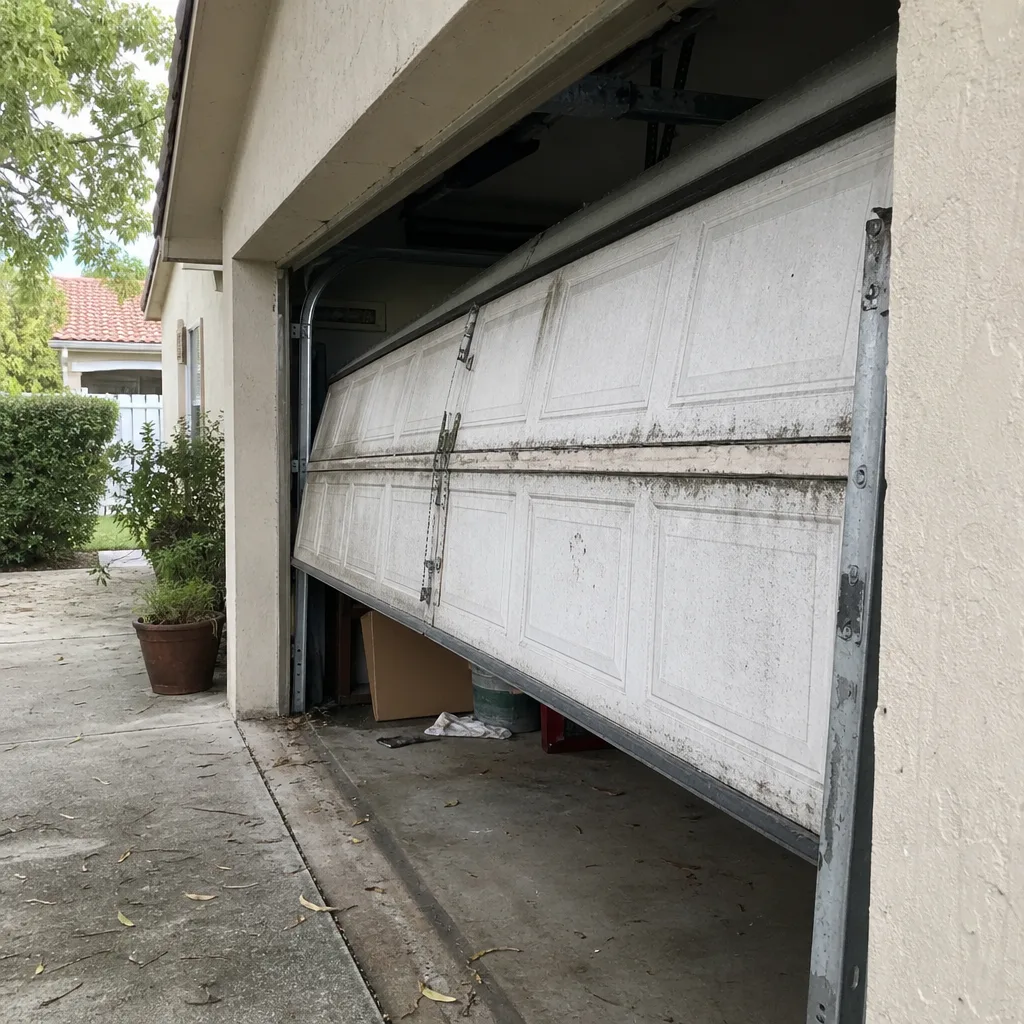 Before
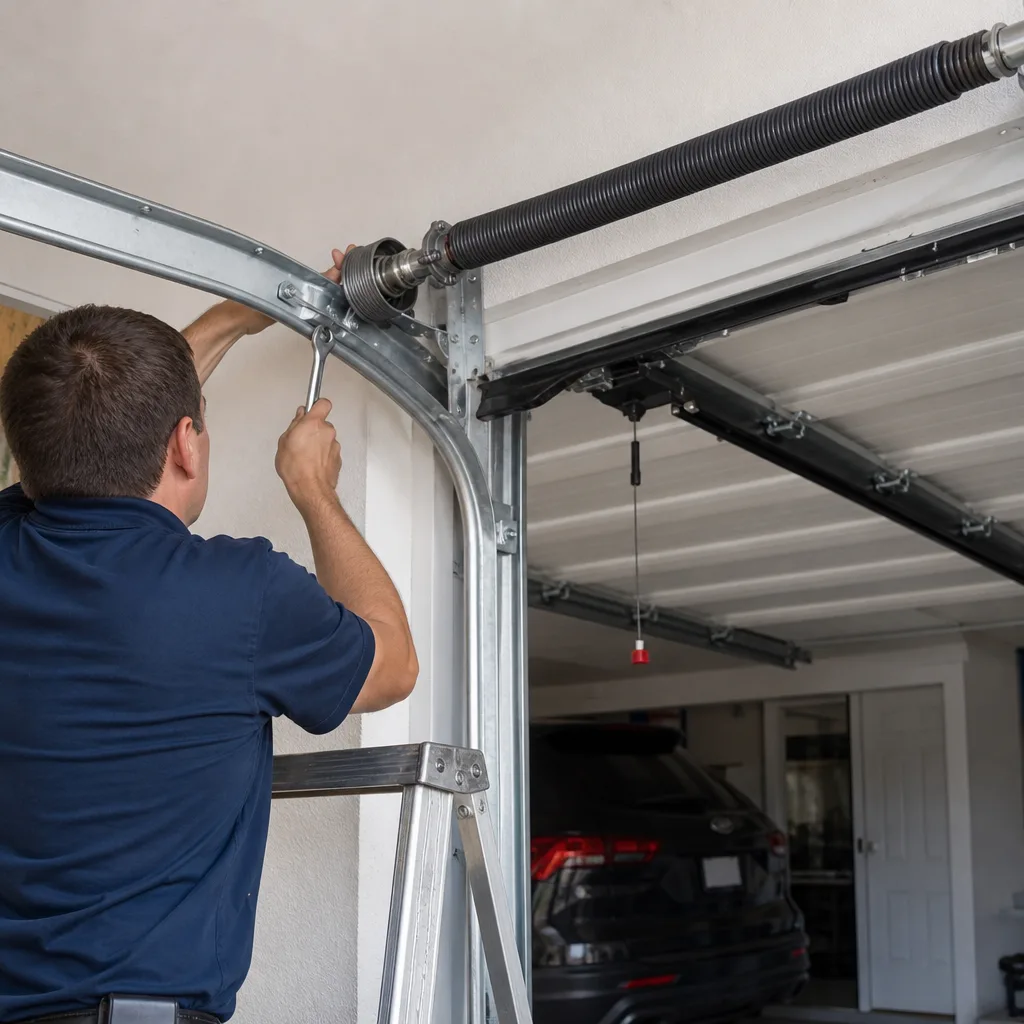 After
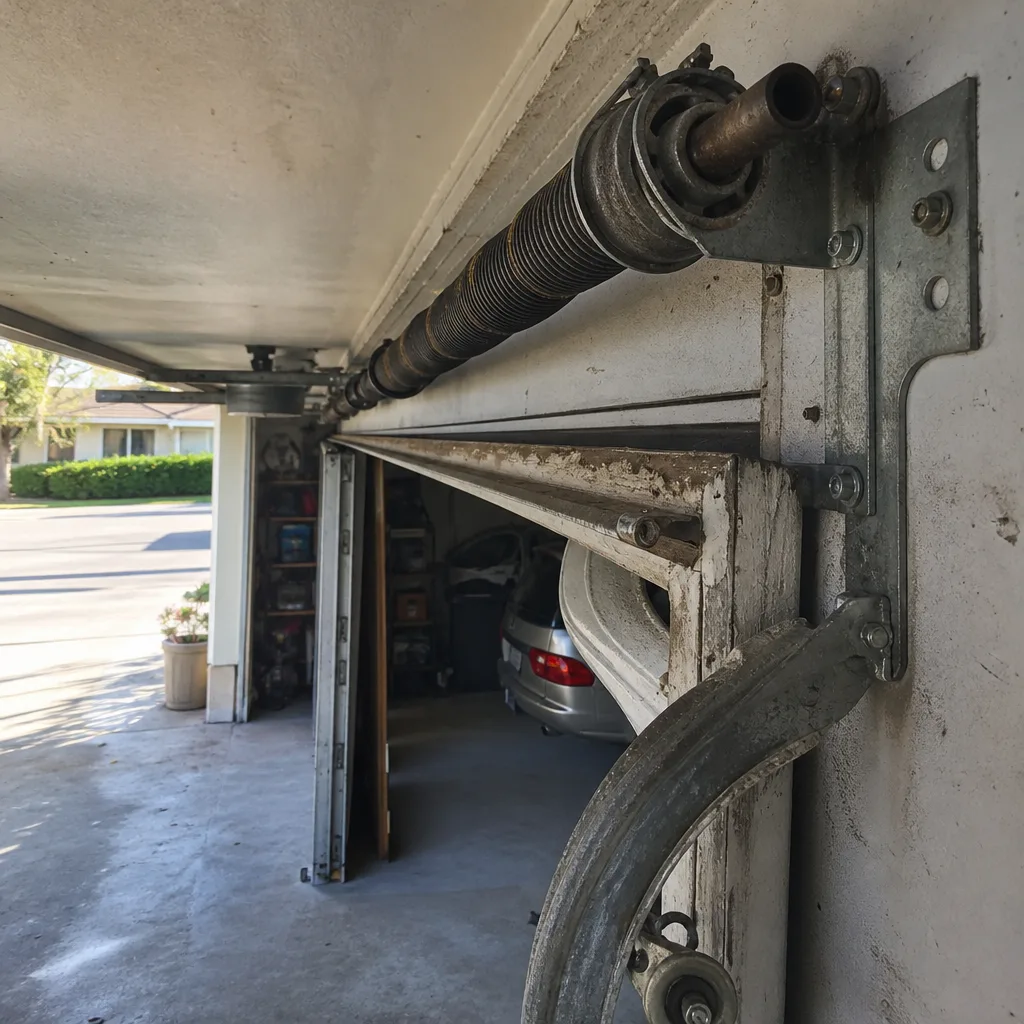 Before
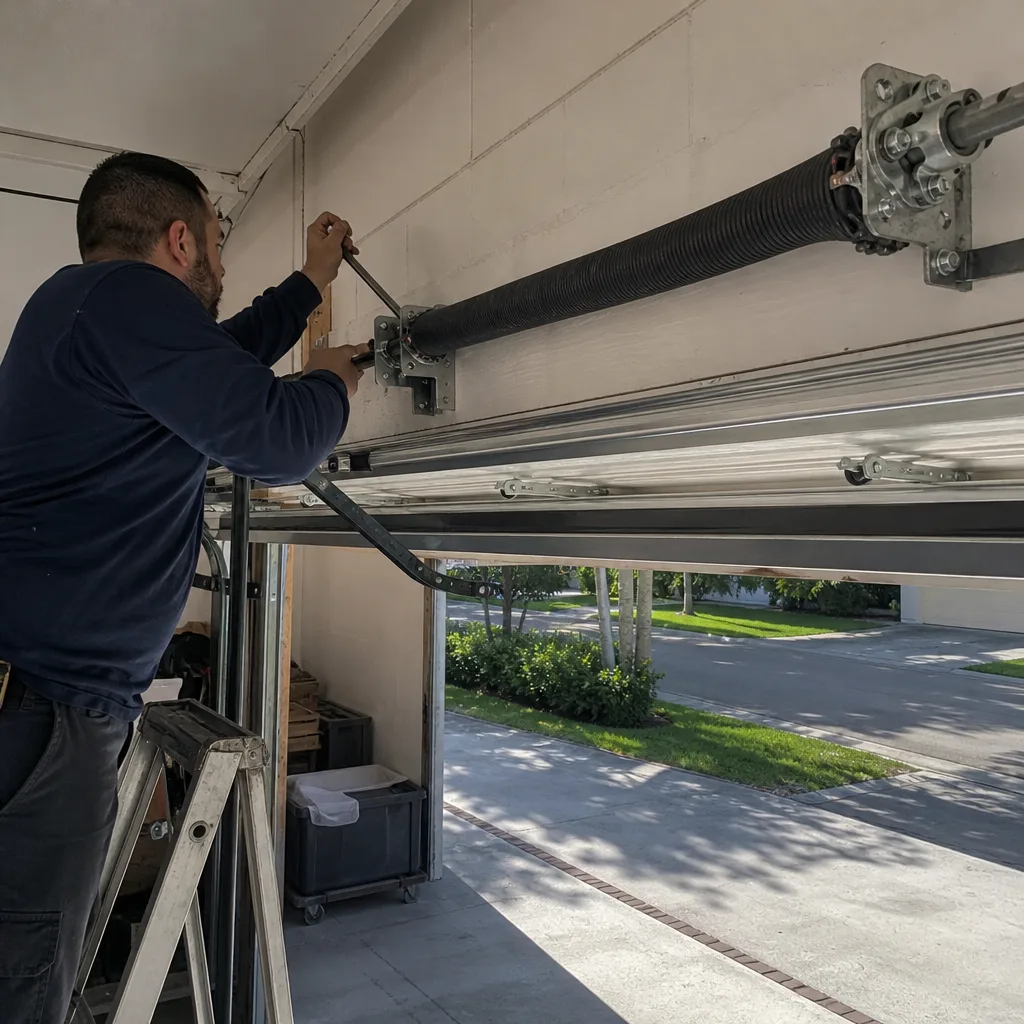 After
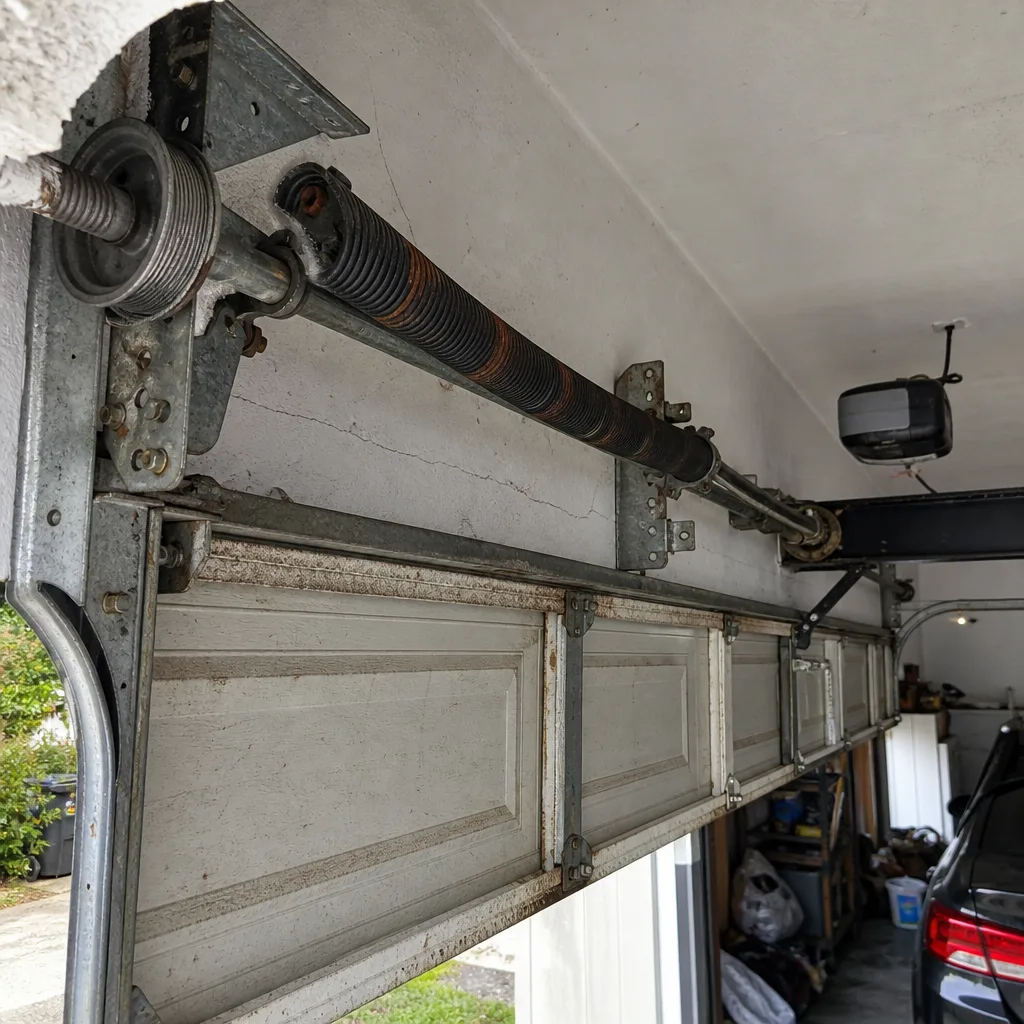 Before
 After