Last updated October 31, 2026
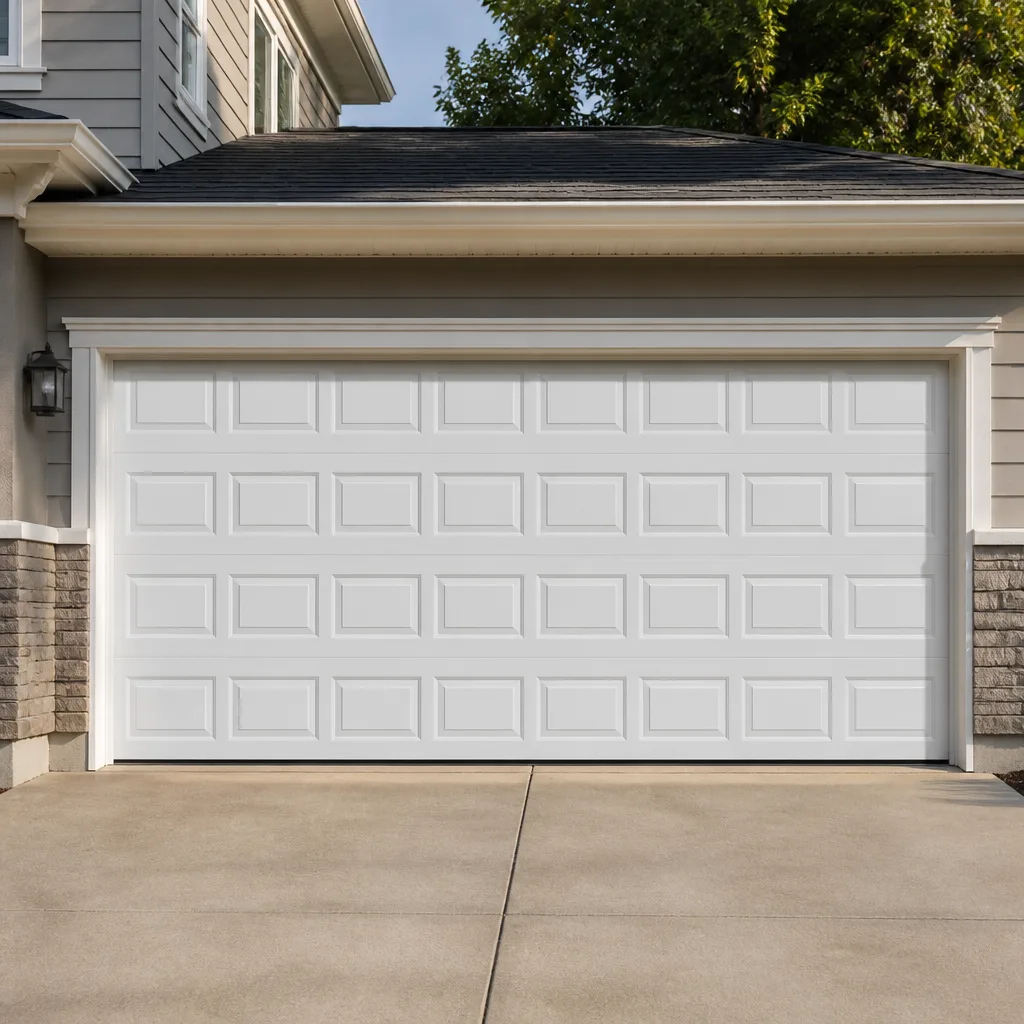 Raised-panel steel
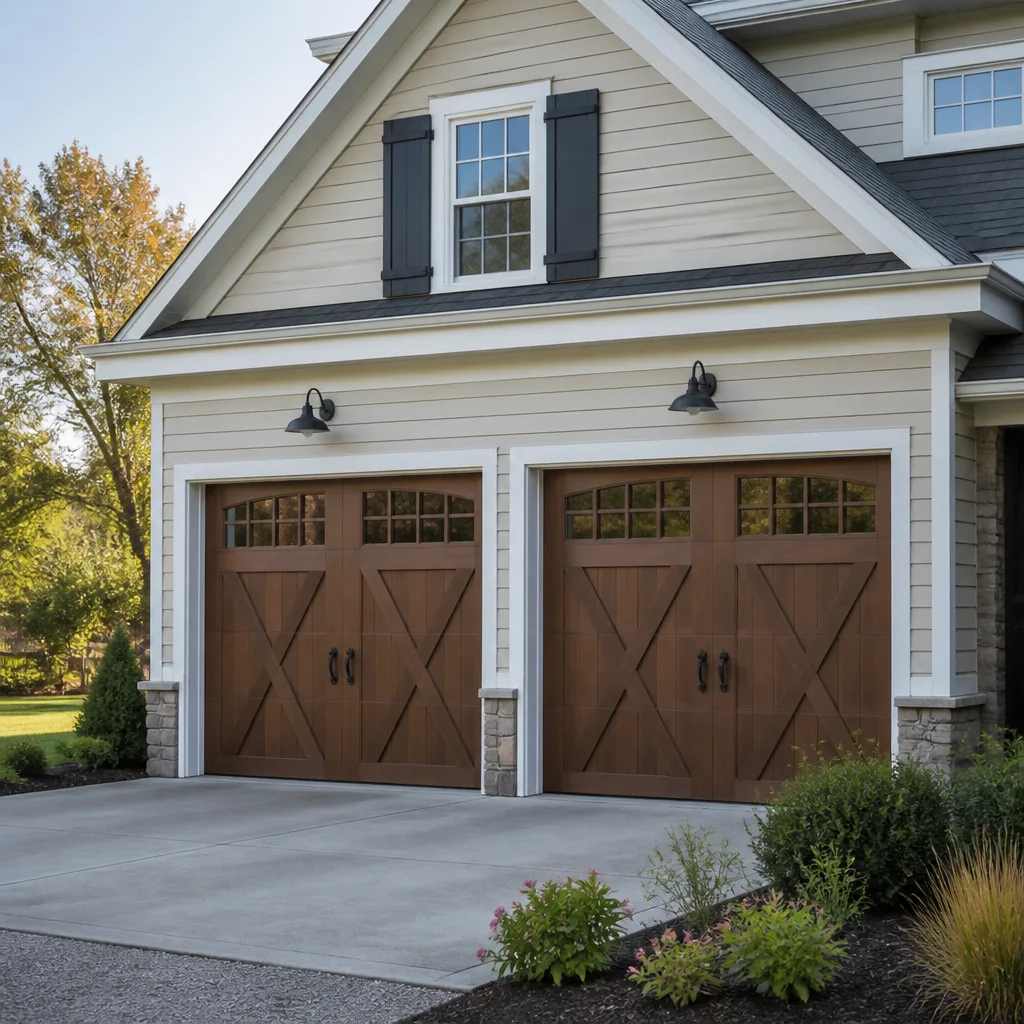 Carriage house
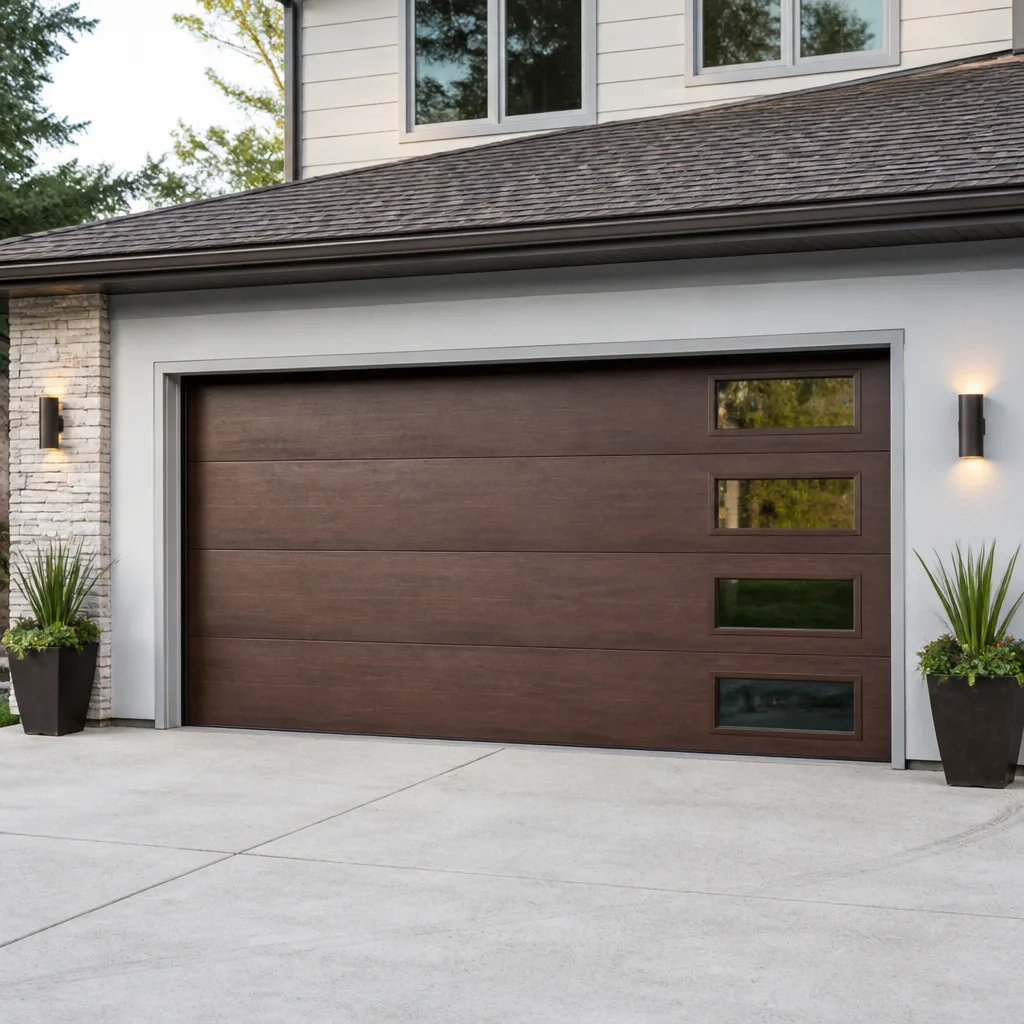 Modern flush
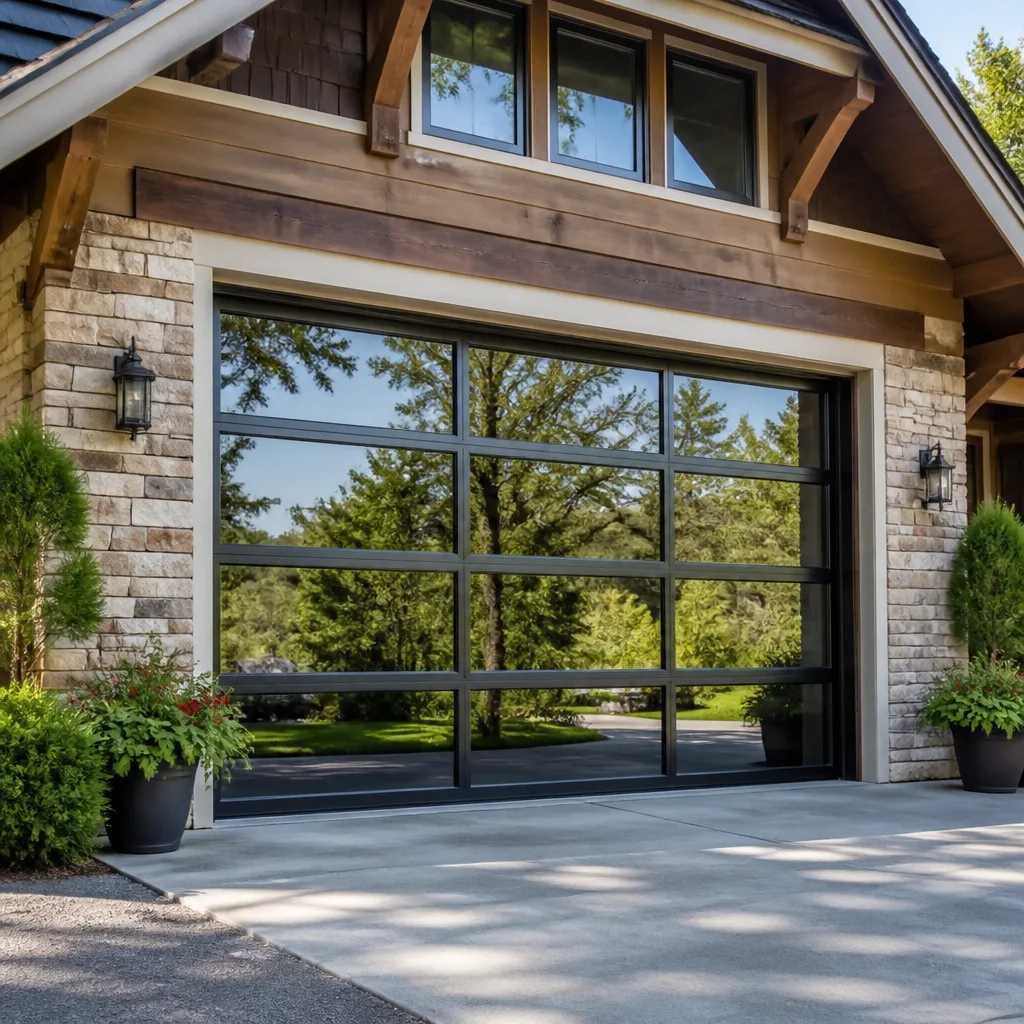 Full-view glass
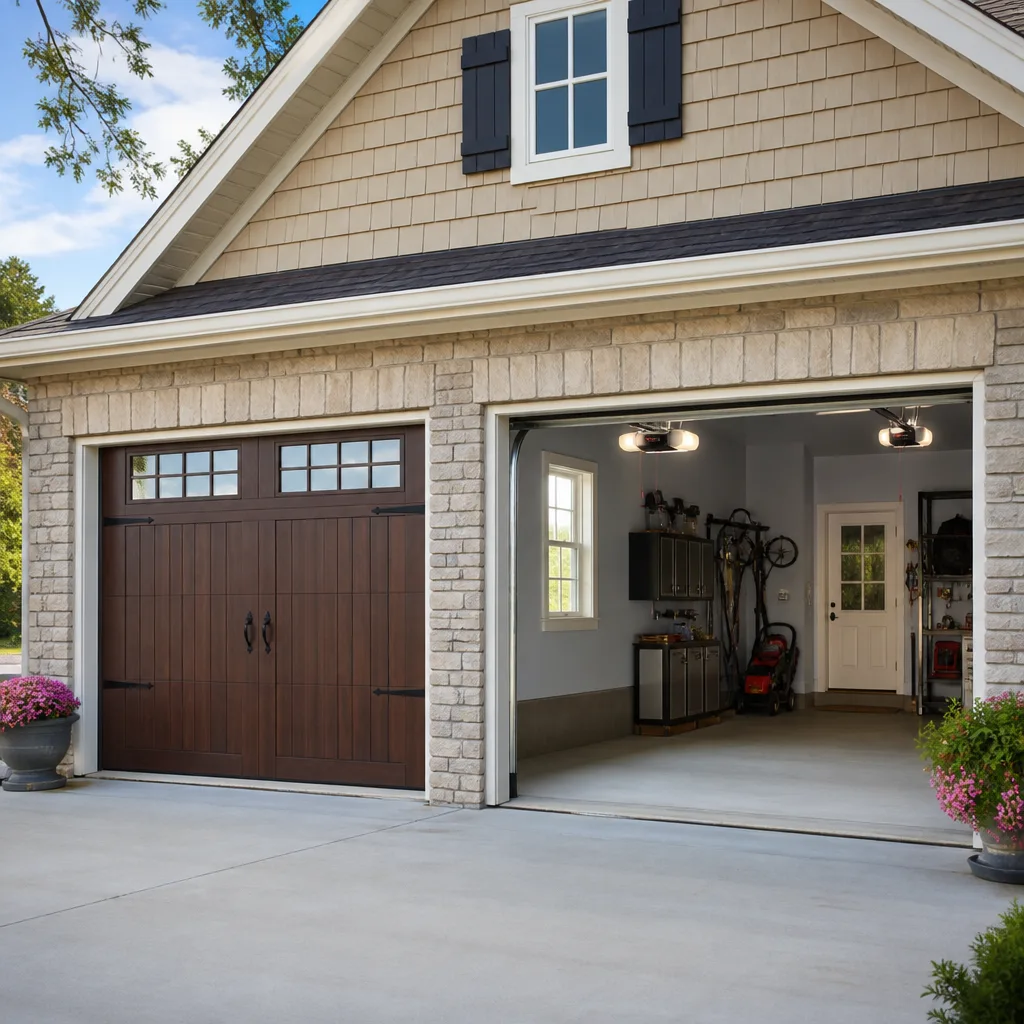 LiftMaster openers
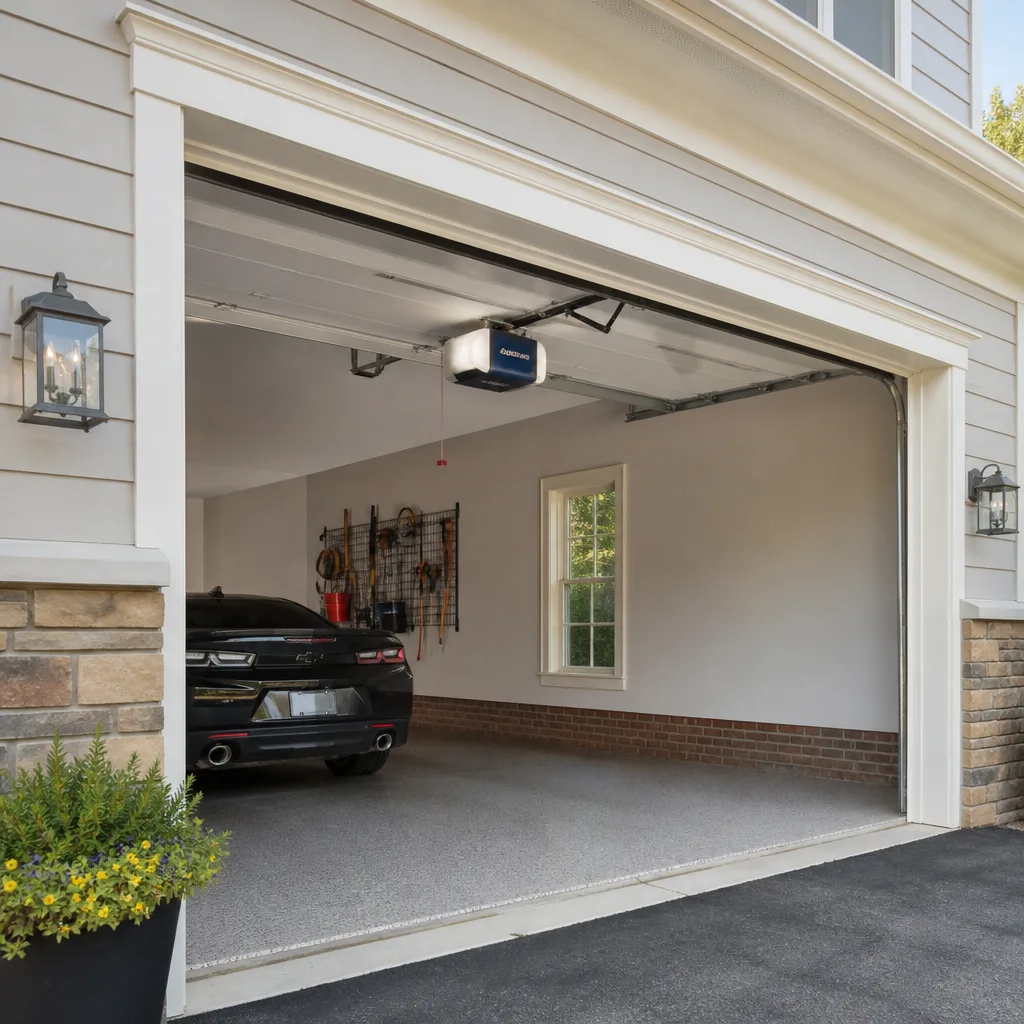 Chamberlain openers
Full 25-point door and opener safety check with every visit - springs, cables, rollers, tracks, and your LiftMaster or Chamberlain opener included
You get a price before we start. It does not change when the truck arrives.
Get your free estimateGarage Door Warning Signs: A Coral Gables Homeowner’s Reference Guide
Walk down any street in Coral Gables and you’ll see the same thing: beautiful Mediterranean-style homes, manicured lawns, and garage doors that get used as the front door more often than the actual front door. That door cycles open and closed thousands of times a year. Yet most of us ignore it until the day it refuses to move, makes a sound like a gunshot, or comes down crooked. Here’s the counterintuitive part: most failures announce themselves weeks or even months before they happen. The warning signs are there. You just need to know which ones matter, which ones can wait, and which ones mean the door should not be operated again until a professional looks at it. That’s what this guide covers, written specifically for the climate, housing stock, and conditions we deal with in Coral Gables. For more guides & resources, see our blog.
Styles & brands we work with
Quick Answer
The garage door warning signs that genuinely matter fall into three tiers: signs that mean stop using the door immediately (visible spring cracks, cable fraying, door coming off track), signs that warrant scheduling service within a week (grinding noises, slow response, intermittent reversal), and signs that are cosmetic and safe to monitor (surface rust, faded paint, minor noise variation with weather). In Coral Gables, salt air and humidity accelerate certain failure modes, particularly rust on springs and logic board corrosion in openers. Our Seasonal Garage Door Care for Coral Gables: Year-Round Homeowner’s Guide explains how to stay ahead of these climate-driven issues. If a spring is cracked or a cable is frayed, do not operate the door, period.
Table of Contents
- Tier One: Stop Using the Door Immediately
- Tier Two: Schedule Within the Week
- Tier Three: Monitor and Maintain
- Noise Diagnostics: What Your Door Is Telling You
- The Balance Test: Checking Spring Tension Before Failure
- Opener Logic Board Warning Signs (A South Florida Specific)
- Common Mistakes to Avoid
- When to Call a Professional
- Frequently Asked Questions
- The Bottom Line
Tier One: Stop Using the Door Immediately
These are not “keep an eye on it” situations. These are “do not press the button again” situations. In a Coral Gables home, where the garage often holds more than just cars (tools, bikes, holiday decorations, sometimes a second refrigerator), a failed door can also mean damaged property or a blocked exit route. We’ll get specific about what failure looks like for each component.
Visible crack or gap in a torsion spring
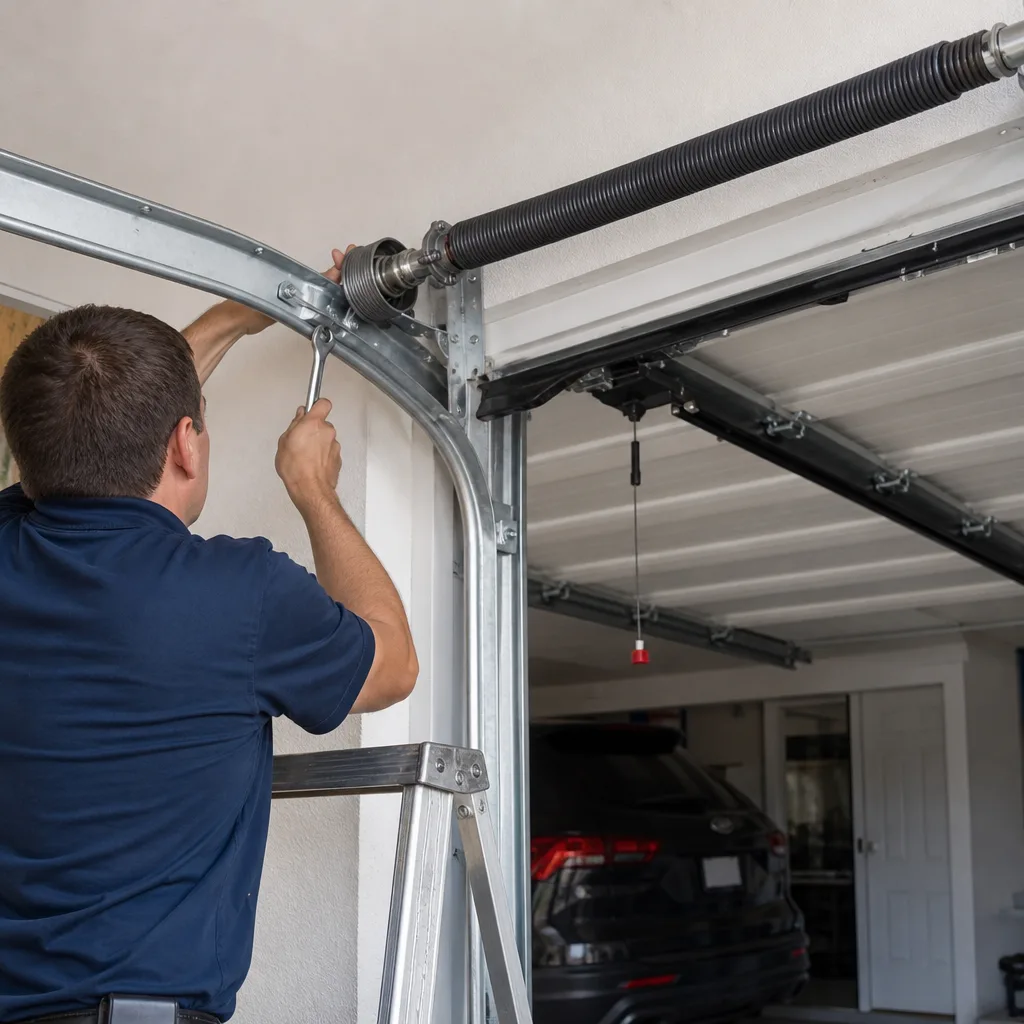
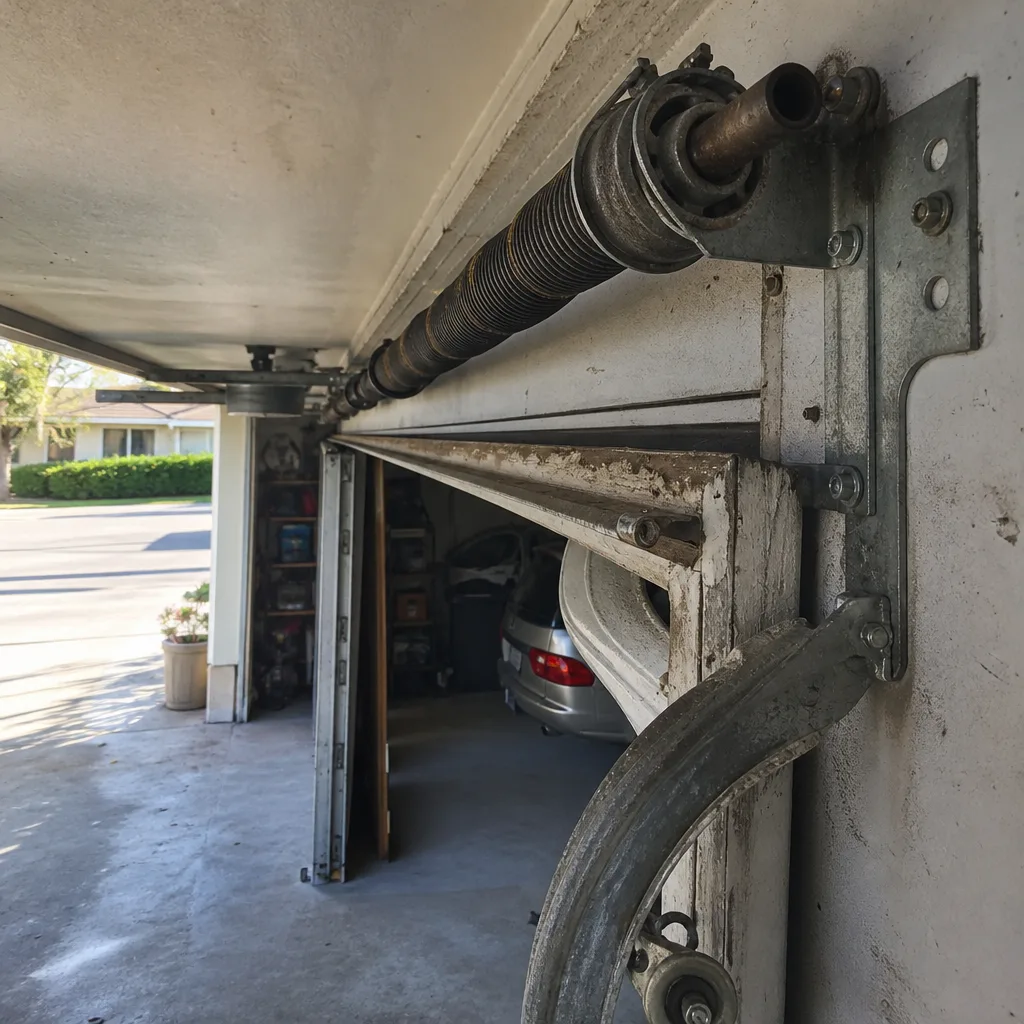
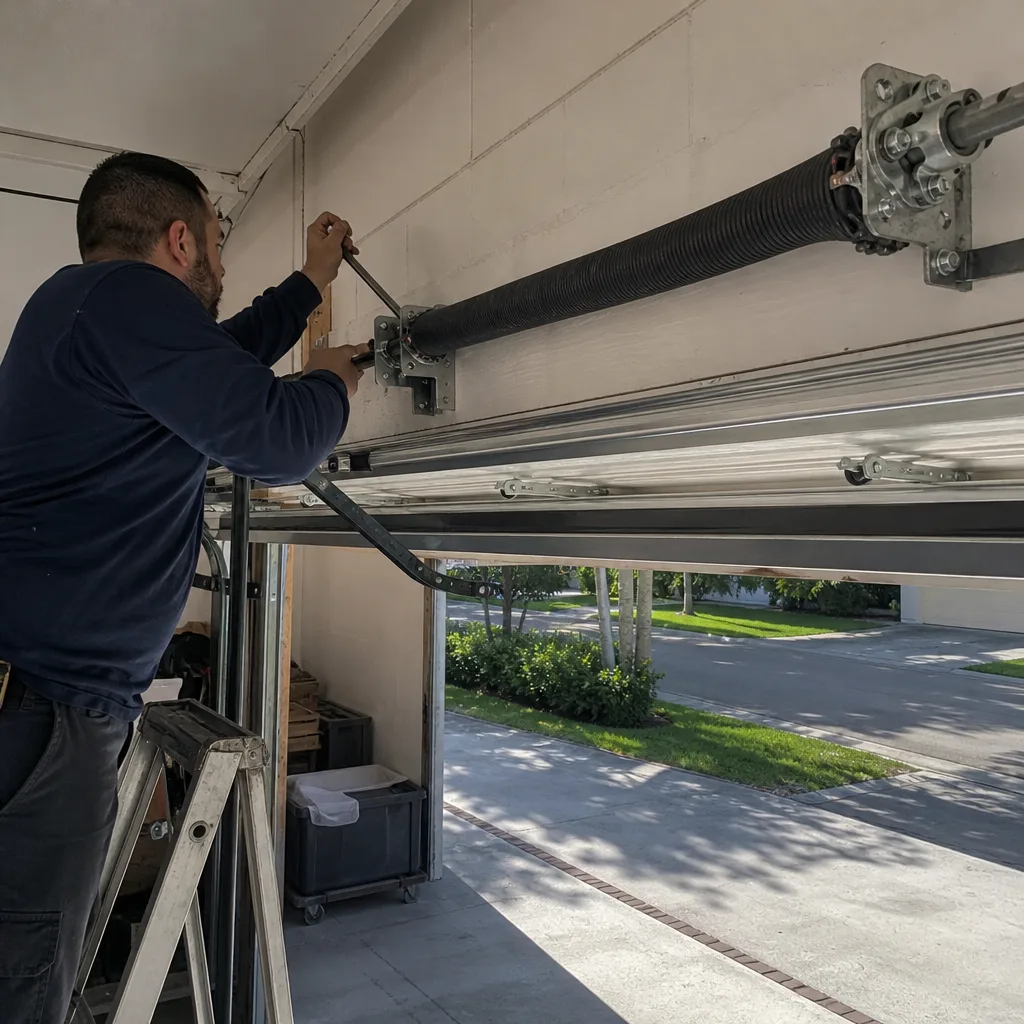
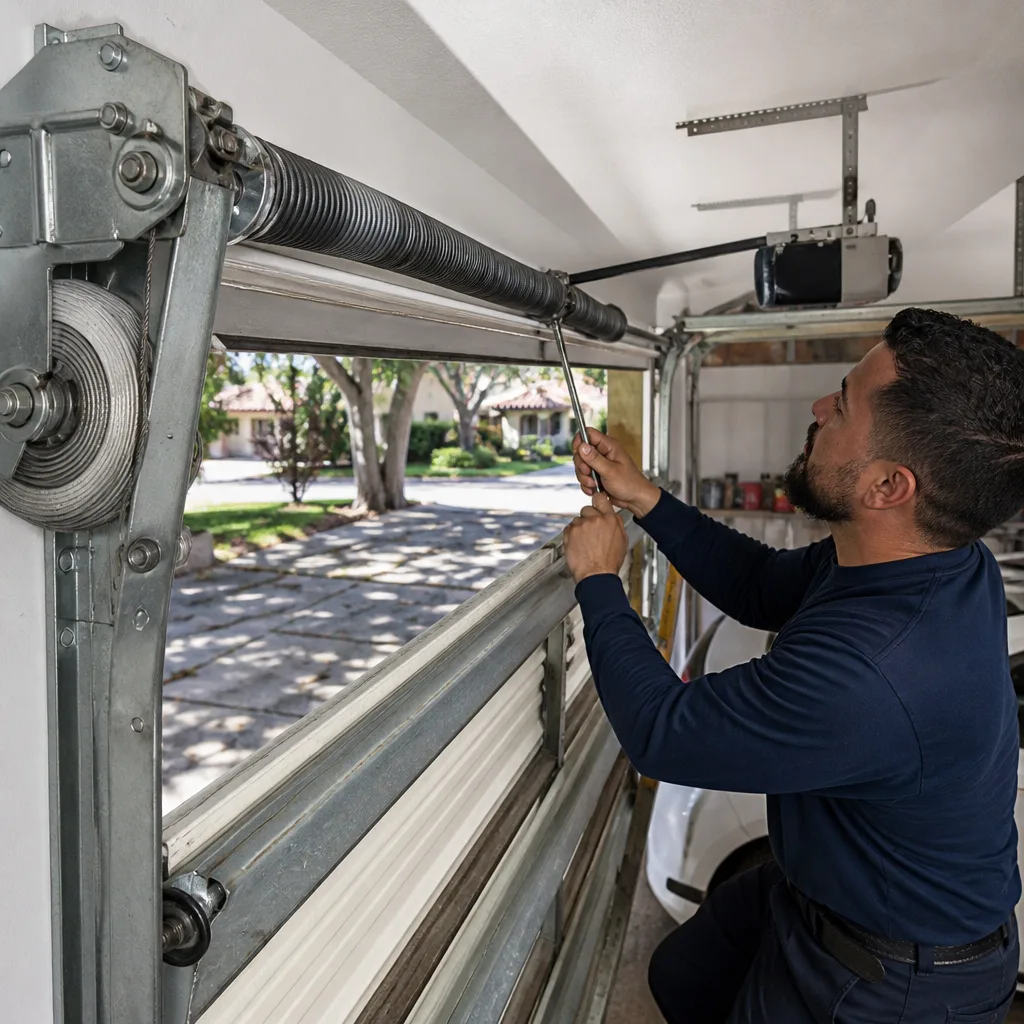
This is the big one. The torsion spring is the coiled metal component mounted on a horizontal shaft directly above the door opening. It holds an enormous amount of tension to counterbalance the door’s weight. When a torsion spring breaks, it sounds like a gun going off in the garage. But before it breaks, it often shows a hairline crack or gap. If you see a visible split anywhere along the coil: stop operating the door. Do not try to open it with the opener. Do not try to manually lift it. A broken spring means the door’s full weight (150 to 250 pounds for a typical double door) is now unassisted. When we work on Garage Door Repair in Miami and the surrounding Coral Gables neighborhoods, we see the same pattern: homeowners operate a door with a cracked spring “just one more time” and that’s when the cable snaps or the door slams down. Torsion springs are hazardous components. This is not a DIY repair under any circumstances.
Frayed or unraveling lift cable
Look at the cables. They run vertically along both sides of the door, connected to the bottom brackets and rolling up onto drums at the top. They should be taut and smooth. If you see individual wire strands separating, that cable is on borrowed time. A frayed cable can snap under load, and when one cable snaps, the unloaded corner of the door drops suddenly, twisting the entire door in its tracks. That is a serious safety event. In Coral Gables’s humid salt air, cable corrosion adds another failure mode: cables can look intact on the surface but have internal rust strands. If you notice any fuzzy appearance or rust bloom on a lift cable, call before the next cycle.
Door coming off its track
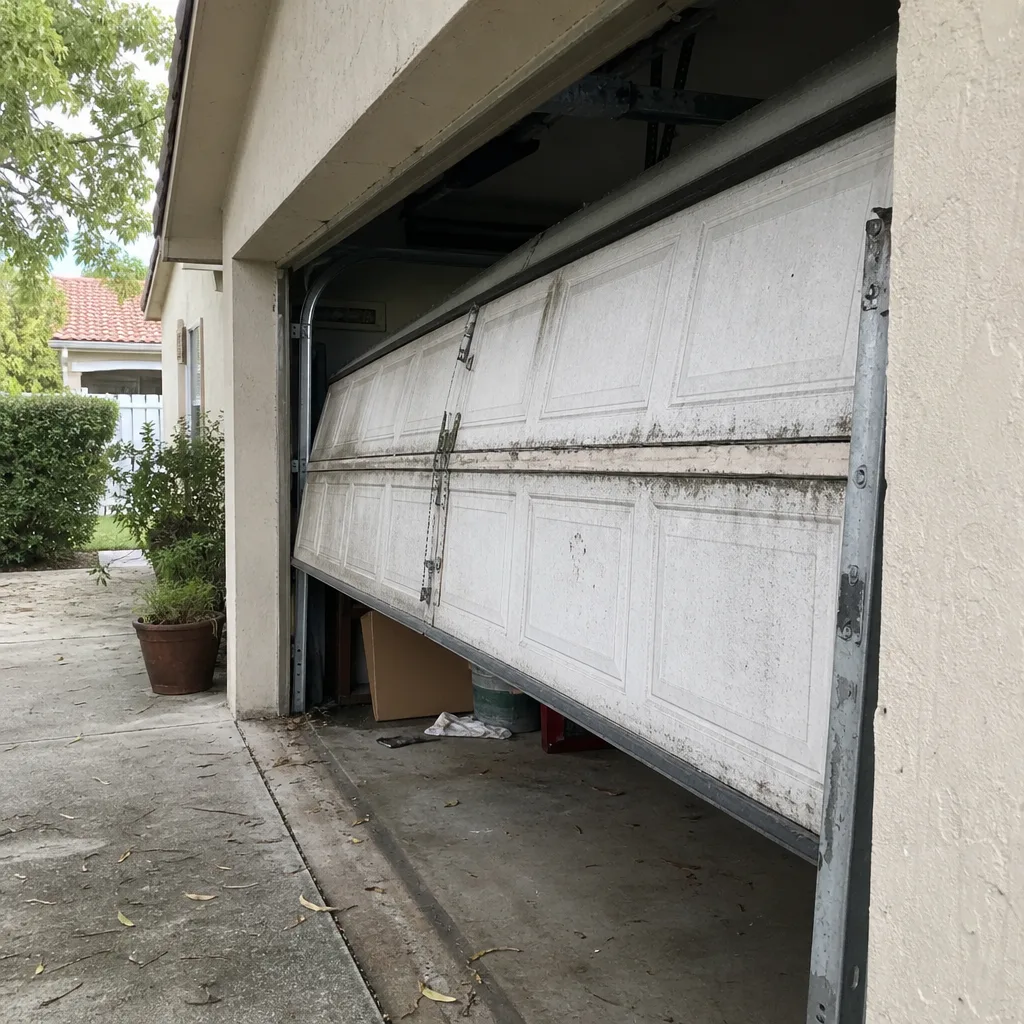
If the door is angled in the opening, if one side is sitting lower than the other, or if the rollers have visibly left the horizontal tracks, stop. A door that has jumped its track can collapse unpredictably. Sometimes a door can get knocked off track by a car bump or a fallen object. Sometimes track brackets loosen over time due to vibration. Either way, the door should not be moved by the opener or by hand. It needs to be braced and reset by someone with the right equipment. We’ve seen doors left half off track for days because the homeowner kept trying the remote. Each attempt makes the misalignment worse and can bend the track permanently.
Tier Two: Schedule Within the Week
These warning signs don’t demand that you evacuate the garage. But ignoring them for a month or two is how Tier One failures happen. Think of these as the check engine light on your dashboard. You can drive home, you can even drive for a few days. But you should book the diagnostic soon.
Door reverses before touching the ground
This is one of the most common complaints we hear from Coral Gables homeowners. The door goes down, touches the ground, and immediately reverses back up. Or it never reaches the ground at all, stopping a few inches above the concrete. Several things cause this: a misadjusted down-force setting on the opener with a LiftMaster or Chamberlain unit, a photoelectric sensor that’s slightly out of alignment, a buildup of debris in the bottom track, or the door’s travel limits needing recalibration. In some cases, sun glare can confuse the safety sensors, which Coral Gables’s bright direct sunlight makes especially common on south-facing driveways. The fix is often quick, but the longer you live with it, the more your seal and track wear unevenly.
Door opens slowly or stalls halfway
When a Craftsman or Genie opener struggles to lift a door that used to move smoothly, something has changed. It could be a motor that’s wearing out. It could be a capacitor going bad. More often, the springs have lost tension and the opener is now doing more of the lifting work than it was designed to do. Openers are designed to move a balanced door, not to muscle an unbalanced one. A door that’s lost spring tension will burn through opener gearboxes and motherboards at an accelerated rate. If your door is suddenly slower, especially on hot Coral Gables afternoons when metal expands and tolerances tighten, get it looked at.
Door shakes, shudders, or moves unevenly
A properly functioning door glides. A door that shimmies side to side or shakes as it moves has a problem in the track, the rollers, the hinges, or the balance. Watch the door from inside the garage as it opens. Does one side lag? Does the whole panel flex? Worn nylon rollers, rusty steel rollers, loose hinge bolts, or a track that’s drifted out of parallel can all cause shuddering. This is a solvable problem, and on most Genie and Raynor doors it’s a component replacement, not a door replacement. But the longer it persists, the more stress it puts on every other moving part.
Tier Three: Monitor and Maintain
Not every imperfection is an emergency. Some signs simply mean your door is aging normally, and paying attention is the right response. In Coral Gables, where salt air and tropical humidity are constant, the line between cosmetic and structural shifts faster than it does in drier climates. Here’s how to tell the difference.
Orange surface rust vs. structural rust
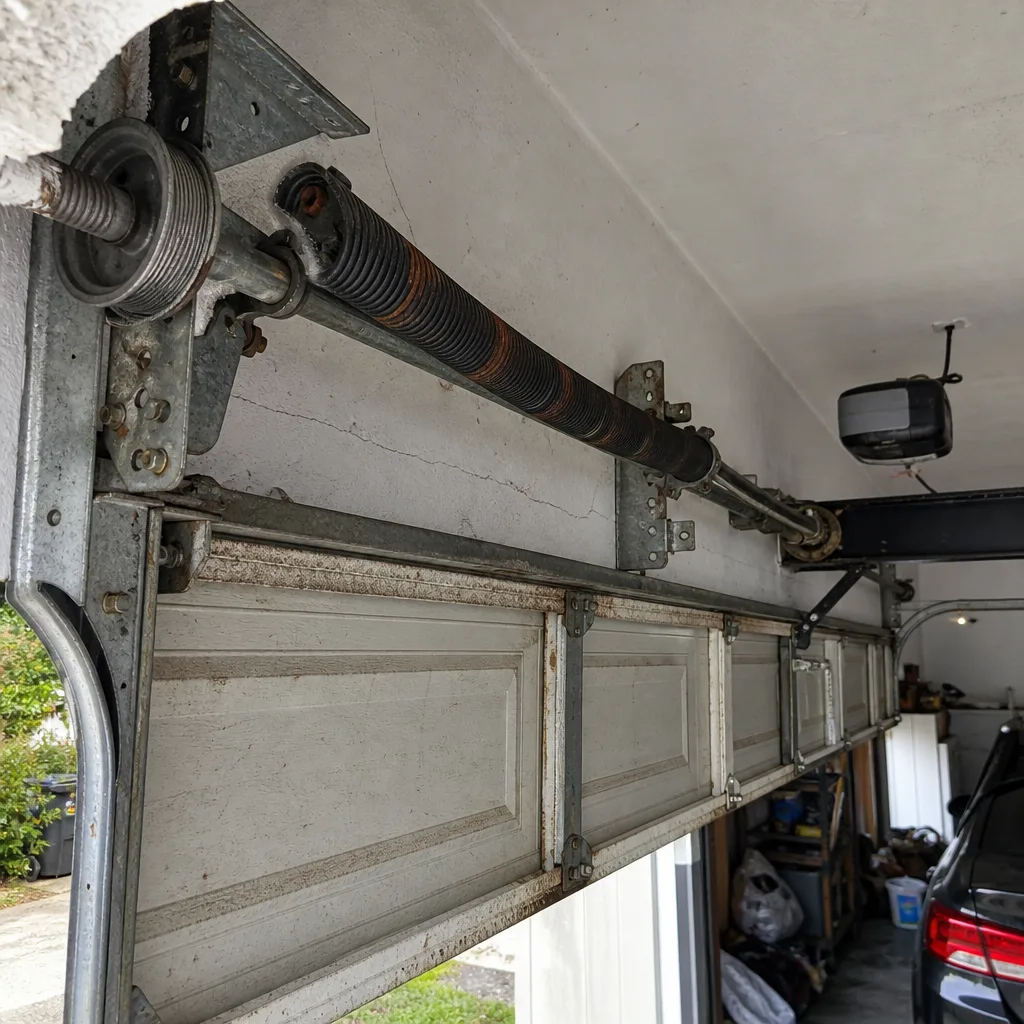
This one matters a lot in South Florida. Orange rust on the surface of a spring is common. The constant humidity creates a fine layer of oxidation on steel components that are under load. Surface rust alone doesn’t mean the spring is failing. But structural rust does. How do you tell the difference? We recommend a simple screwdriver test for the springs. Gently scrape the rusted area with the flat edge of a screwdriver. If the rust flakes away and the metal underneath is smooth and solid, that’s surface rust. That’s a monitor situation, maybe a good time for a proper Garage Door Repair in Miami service call to lubricate and treat the springs. If the screwdriver reveals pitting, flaking layers, or a rough crumbly texture in the metal itself, that’s structural. Pitted springs lose strength and can fail without the classic warning crack. Structural rust moves this to Tier One: stop using the door and have it evaluated.
Paint fade, panel dents, and warped weatherstripping
These are aesthetic and weather-seal concerns. A dented panel looks bad but rarely affects door function. Faded paint on a Clopay or Amarr door is normal after years of Coral Gables sun. Warped bottom weatherstripping lets outside air and insects into the garage, which matters more in Coral Gables than most places because of the moisture and the ant pressure. None of these require immediate action. Replace the weatherstrip when you notice it’s no longer sealing. Repaint or replace panels when appearance matters. The door will keep working.
Noise Diagnostics: What Your Door Is Telling You
Every garage door makes some noise. But different noises point to different components, different repair approaches, and different price ranges. We’ve learned to diagnose problems over the phone just by asking Coral Gables customers to describe the exact sound the door makes. Here’s the breakdown.
Grinding
A grinding sound is almost always the motor’s gear assembly. On LiftMaster and Chamberlain openers, the drive gear is a nylon component that wears down over time. When it strips, the opener motor spins but the door moves sluggishly or not at all, producing a harsh grinding noise. On Chain drive systems, grinding can also mean worn sprockets or a chain that’s lost tension and is skipping. Grinding is a Tier Two warning. The repair is usually straightforward and much less expensive than a full opener replacement.
Squeaking
Squeaking points to friction at the rollers, hinges, or bearings. Nylon rollers wear smooth with age and start to chatter. Steel rollers rust and squeak against their axles. Hinges dry out. Squeaking is maintenance-first: proper lubrication often resolves it on the spot. If the squeak persists after lubricating, you likely have worn roller bearings or a failing end bearing plate on the torsion tube. That’s still a modest, predictable repair.
Popping
A popping or snapping sound during operation is the sound of something under tension releasing slightly. On a Wayne Dalton or Raynor door, a pop often comes from a spring beginning to bind, a cable catching on a worn drum, or a section hinge with a broken bearing. Popping is unpredictable. Sometimes it’s benign. Sometimes it’s the spring telling you it’s about to let go. We treat popping as a Tier Two sign that deserves a professional inspection, especially if it repeats.
Rattling
Rattling means something is loose. It could be a bolt backing out of a track bracket, a loose operator rail, or a decorative handle that’s vibrating. Rattling is often the cheapest fix we perform, but it’s also the most commonly ignored. A rattling track bolt becomes a loose track, and a loose track becomes a door off its rails. Tighten what you can safely access, and have a professional torque the rest.
The Balance Test: Checking Spring Tension Before Failure
Springs lose tension gradually. You won’t get a warning email when they hit 60% of original tension. But there’s a simple test you can do yourself that tells you how the springs are performing, and doing it twice a year gives you a baseline to compare against. This test does not require touching the springs, and it’s safe for a homeowner to perform.
- Close the door completely. Disconnect the opener using the red emergency release cord. The door should now be manually operable.
- Lift the door by the handle or bottom rail. A properly balanced door should lift relatively easily to waist height, and when you release it, it should stay in place. It might drift an inch or two, but it should not fall or shoot up.
- Raise the door to half open and release it. The door should hold at approximately the halfway point. A door that slowly falls is losing spring tension. A door that drifts upward is over-tensioned.
- Repeat lower and raise it fully. The door should move smoothly through the full travel without requiring more than moderate effort at any point.
If the door drops when you release it, the springs are no longer counterbalancing properly. This is the most valuable information a homeowner can have before calling a specialist, because it tells you exactly what the technician will confirm. When we perform Garage Door Repair in Miami, we run this same test first. It isolates spring issues from opener issues in about ten seconds.
Failure itself, the actual moment a torsion spring lets go, is unmistakable. You’ll hear a bang. You’ll see the spring split into two pieces. The door will feel impossibly heavy if you try to lift it manually. Do not try. Do not reconnect the opener and press the button. The opener will strain against a dead door and can damage itself. Call a professional.
Opener Logic Board Warning Signs (A South Florida Specific)
Here’s a warning sign category that most garage door guides miss entirely, and it’s one we see disproportionately in Coral Gables because of the electrical environment. The logic board is the printed circuit board inside the opener’s motor housing. It controls the door’s travel limits, force sensitivity, remote programming connectivity, and safety features. When the logic board fails or glitches, the symptoms can look like mechanical problems, which is why so many homeowners replace the wrong thing.
Coral Gables experiences intense afternoon thunderstorms through the summer months. Lightning strikes within a mile or two can send power surges through the electrical grid and into your garage. Opener logic boards are sensitive to these surges. A surge doesn’t always kill the board immediately. Sometimes it damages components enough that the board starts behaving erratically. Symptoms of a compromised logic board include: the door starts opening or closing on its own without input, the remotes lose programming and need to be re-synced repeatedly, the door reverses immediately after reaching the closed position, or the wall button lights flash in patterns that don’t match anything in the manual. Older Genie and Craftsman opener models are particularly susceptible to surge damage because their boards lack the filtering that newer LiftMaster and Chamberlain WiFi-enabled units have built in. When we come out for a Garage Door Opener Repair in Miami where the customer swears the door “has a mind of its own,” the logic board is often the culprit.
If you can replicate a problem that’s not mechanical, that is, the door moves correctly when operated manually, the issue is in the opener’s electronics, not the door. That narrows the diagnosis significantly.
Common Mistakes to Avoid
- Lubricating a cracked spring to buy more time. Lubrication reduces friction. It cannot repair compromised steel. A spring with a visible crack needs replacement, not lubrication. Adding lubricant makes the surface slick and can accelerate the final failure.
- Ignoring a reversing door and using the wall button to force it closed. The safety features are doing what they’re designed to do. Overriding them masks the underlying problem and, if the obstruction or force issue is real, can damage the door, the opener, or whatever is in the path.
- Replacing the opener when the springs are the problem. A door that’s heavy because the springs are shot will destroy a new opener’s gearbox within months. The opener is rarely the primary component when a door stops lifting properly. Balance comes first.
- Buying a universal remote without confirming compatibility. Coral Gables homes run a mix of openers: Belt drive LiftMaster units in newer construction, older Genie screw-drive models in 80s and 90s homes, and Craftsman units scattered throughout. Universal remotes exist, but they don’t all work with rolling code technology and MyQ integration. Getting the right one matters.
- Spraying WD-40 into every hinge and roller. WD-40 is a solvent and degreaser. It removes the heavy grease that roller bearings need. Use a white lithium grease or silicone spray on door hardware. The only place WD-40 belongs is loosening rusted bolts prior to replacement.
- Attempting DIY torsion spring replacement after watching an online tutorial. The torsion spring is under hundreds of pounds of tension. One wrong move with a winding bar can cause serious injury. This is the single repair where the cost of a professional is the cost of not being in an emergency room. Do not attempt it.
- Neglecting the door because it’s the “backup” entrance. In Coral Gables, where homes are often older and garages are frequently converted or used for storage, the garage door becomes an afterthought. But a door that’s ignored for six months can develop issues that become expensive and dangerous. The balance test takes two minutes. Do it quarterly.
When to Call a Professional
If you see any Tier One sign, call before the next cycle. A cracked spring, a frayed cable, or a door that’s jumped its track are not conditions that improve with time. They fail, suddenly and sometimes dangerously. If you have a Tier Two sign and you’ve been living with it for more than two weeks, call. The longer a reversing door, a grinding opener, or a shuddering panel goes unaddressed, the more expensive the final repair becomes. If you’ve done the balance test and the door drops, call. You now have specific information that will help the technician diagnose faster. Coral Gables Garage Door Service offers free estimates in Coral Gables. Call (855) 752-9022 and we’ll schedule a diagnostic visit or, for genuine emergencies, get a technician out as quickly as possible. We work on the brand you already have.
Frequently Asked Questions
Spring repair in Coral Gables typically runs between $180 and $340 depending on whether it’s a single or double spring setup, the spring gauge, and the specific door model involved. High-cycle springs used on heavier Clopay and Amarr doors run at the upper end of that range. The price is quoted and agreed before we begin, and we carry the springs on the truck so the job is done in one visit. Call (855) 752-9022 for an exact quote for your door.
No. The price is established before any work starts, based on what we discuss by phone or what we find during the diagnostic. If additional work is needed beyond the original quote, we’ll show you the issue and agree on a new number with you before proceeding. Nothing is billed that wasn’t approved.
In most cases, yes. Reversing doors are usually a sensor alignment issue, a travel limit adjustment, or a force setting correction. All three are fixer-uppers that take under an hour on site. If the reversing is caused by a failing logic board, that part may need to be ordered. Call (855) 752-9022 and we can diagnose it same day in most Coral Gables neighborhoods.
Our trucks are stocked for the most common failures across all eight brands we service, so we can repair rather than refer when we arrive. Standard torsion springs, extension springs, rollers, hinges, cables, gear kits for LiftMaster and Chamberlain openers, sensor sets for Genie and Craftsman units, and a range of remotes are all on board. If you have a specialty Wayne Dalton or Raynor part, we’ll identify it and source it quickly.
Usually not, but it depends on the noise. Grinding points to opener gear wear, which will eventually fail but rarely causes injury. Popping is the sound that concerns us, because it can indicate a spring binding, and spring failure can be dangerous. Squeaking and rattling are annoyances that become mechanical problems if ignored. Any noise that changes suddenly or gets worse should prompt a professional look.
Given the salt air and humidity, we recommend a professional inspection once a year for Coral Gables homes. The inspection covers spring tension, cable condition, track alignment, roller wear, opener force settings, and safety sensor operation. It catches structural rust before it becomes a failure, and it keeps small adjustments from becoming repairs. The balance test you can do yourself quarterly takes two minutes and is your best early-warning system.
The Bottom Line
Garage door warning signs are not all equal. Some require that you stop using the door today. Some warrant scheduling a visit within the week. Some are surface conditions you can safely monitor. The skill is in telling the difference, and the difference is usually visible if you know what to look for. In Coral Gables’s heat, humidity, and storm season, that difference arrives faster than it does elsewhere. Pay attention to the balance of your door, listen to what it tells you when it moves, and treat the danger signs, cracked springs and frayed cables, with the respect they demand. If you’re seeing signs you can’t categorize, or if something feels wrong and you can’t identify it, call (855) 752-9022. We work on the brand you already have, and we’ll give you a straight answer about whether you need repair, replacement, or just a maintenance visit.
Written by the team at Coral Gables Garage Door Service, serving Coral Gables since 2014.
See the difference
 Before
 After
 Before
 After
 Before
 After