Last updated October 31, 2026
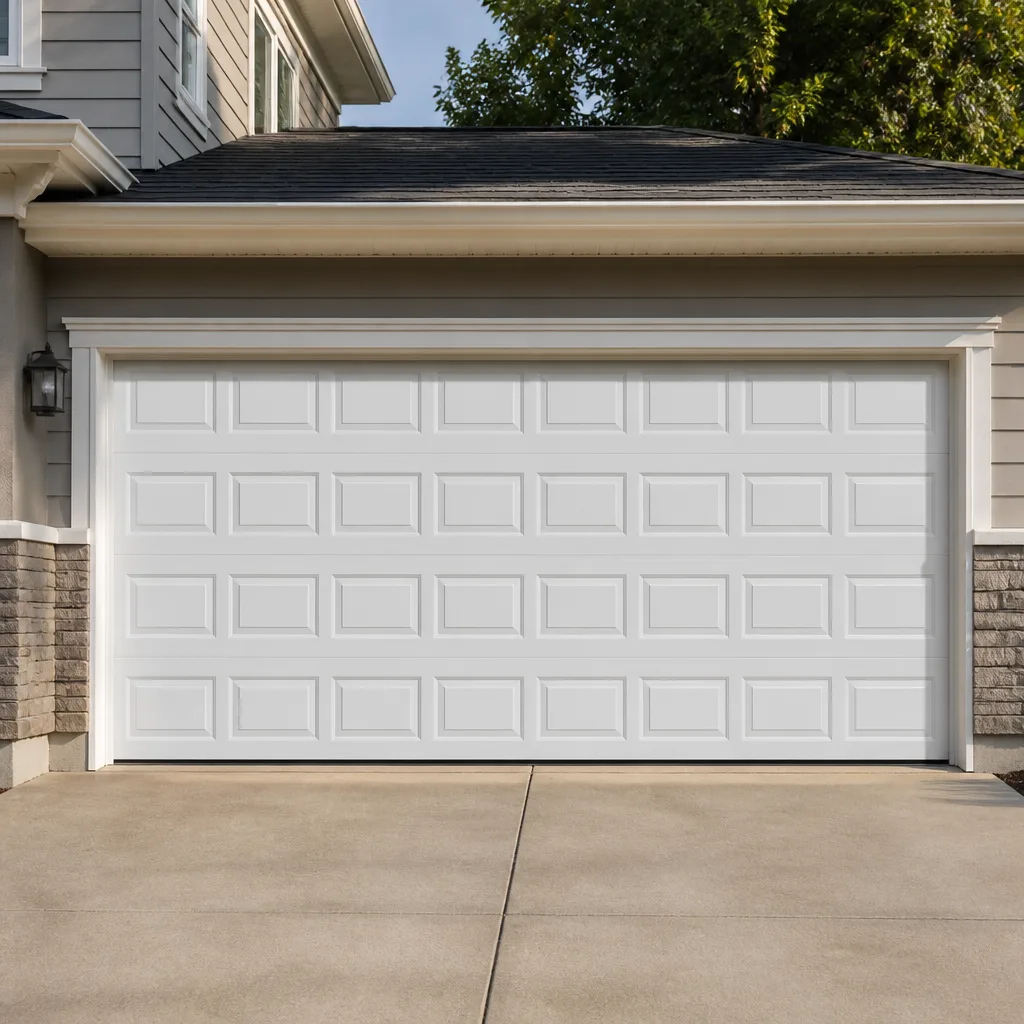 Raised-panel steel
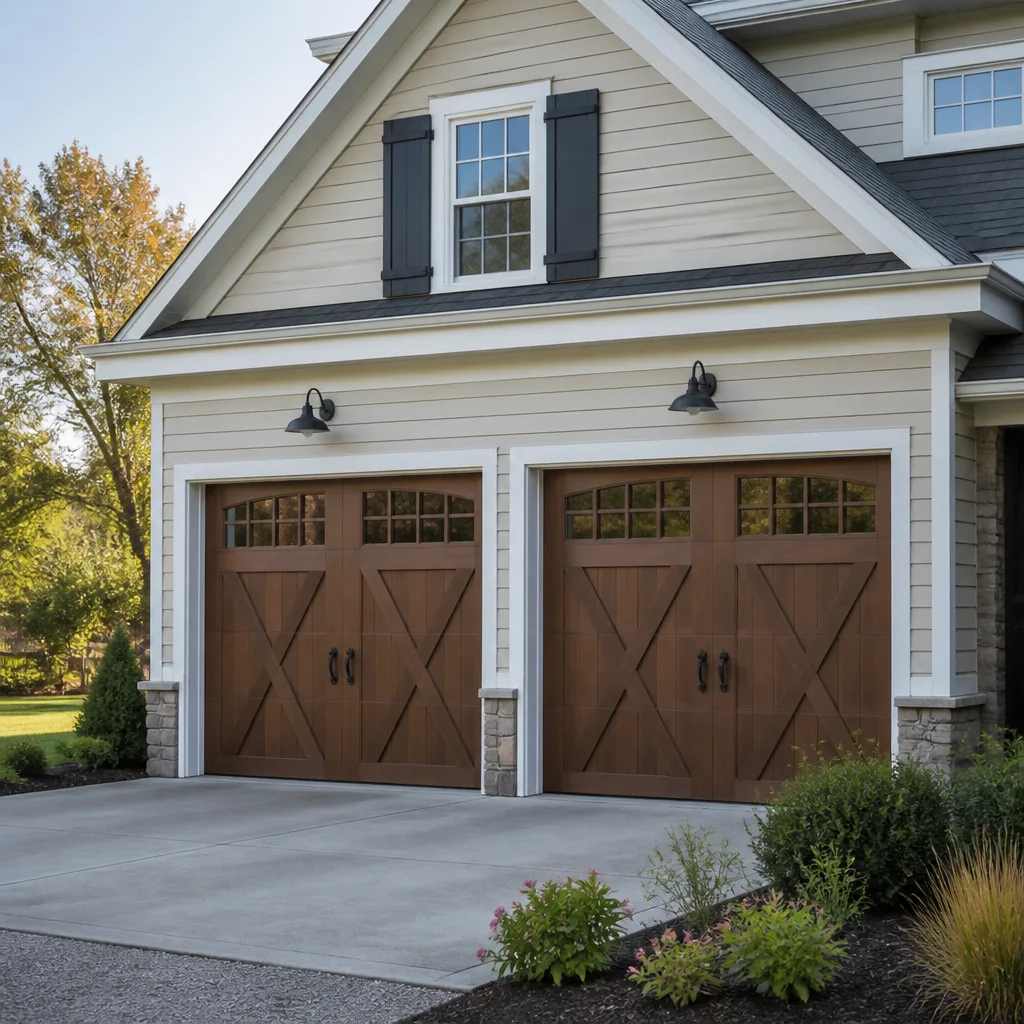 Carriage house
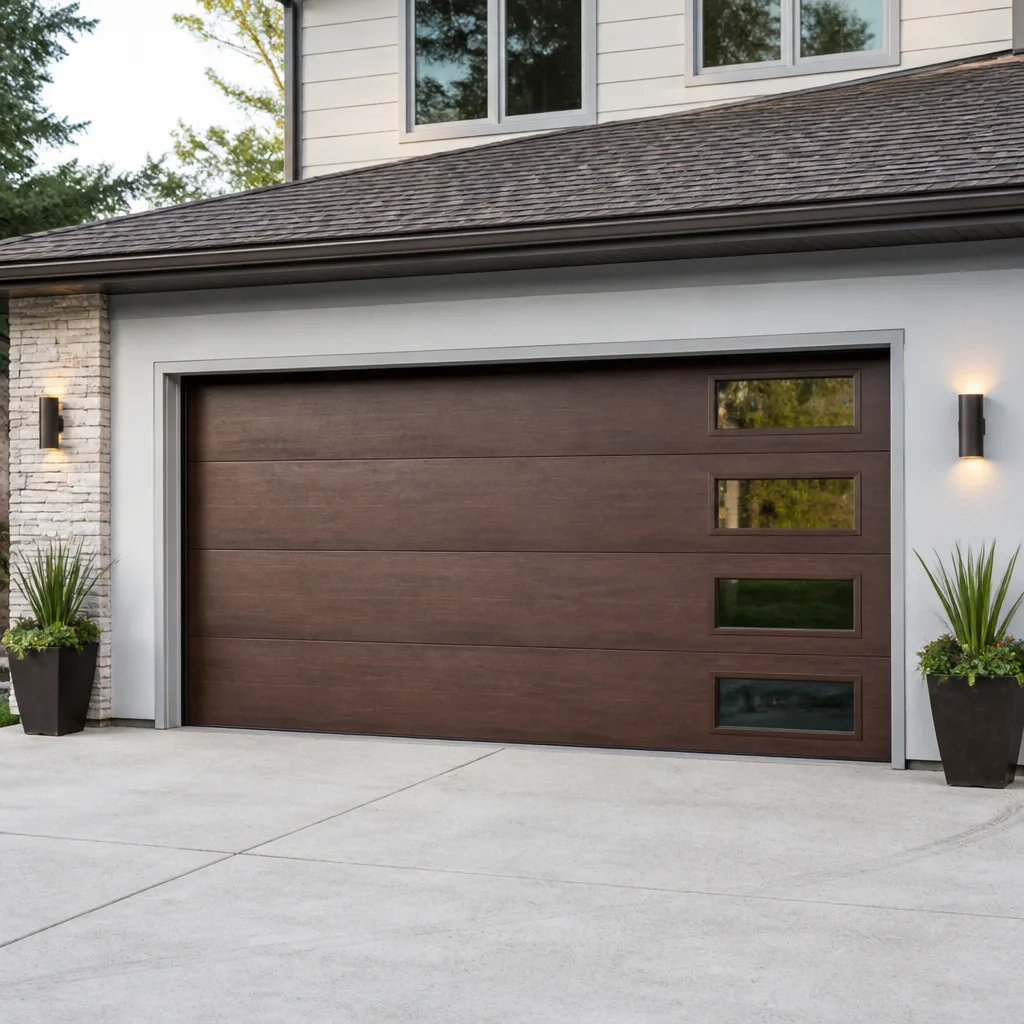 Modern flush
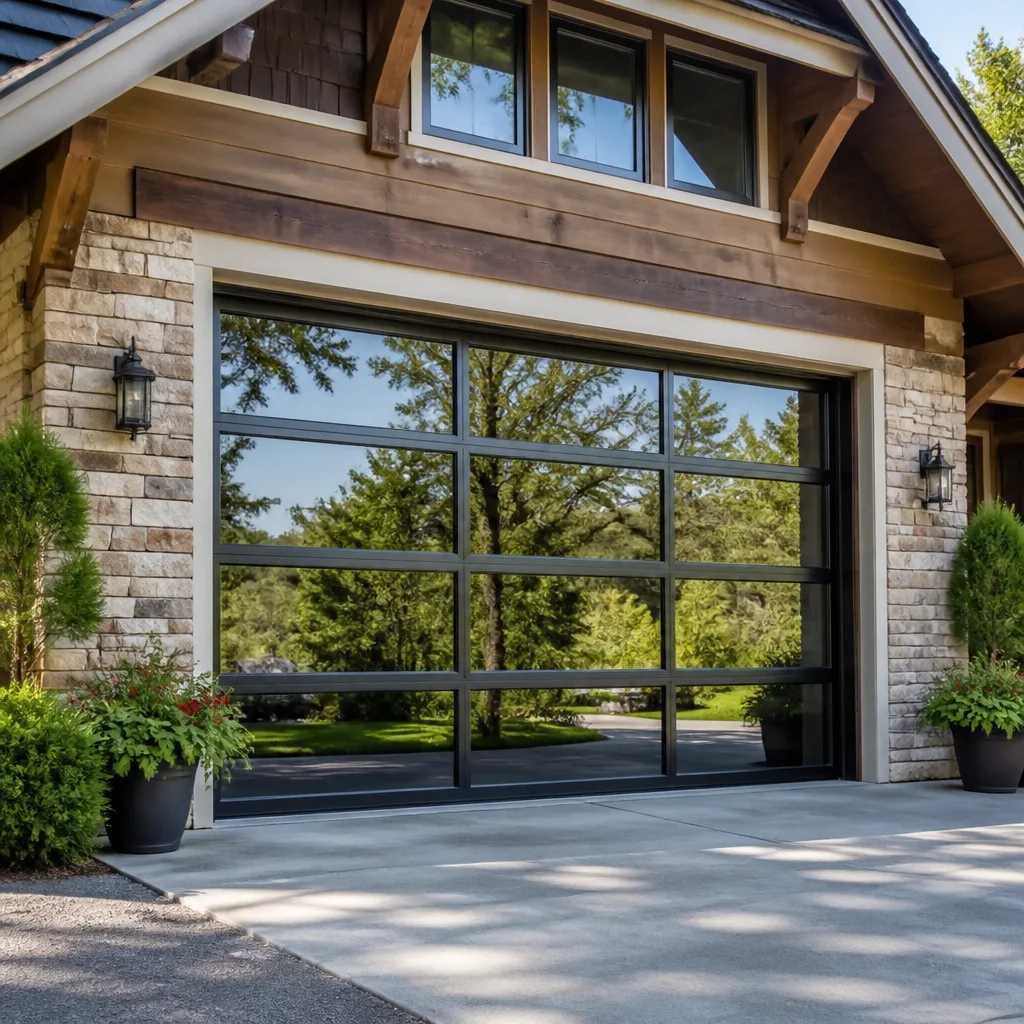 Full-view glass
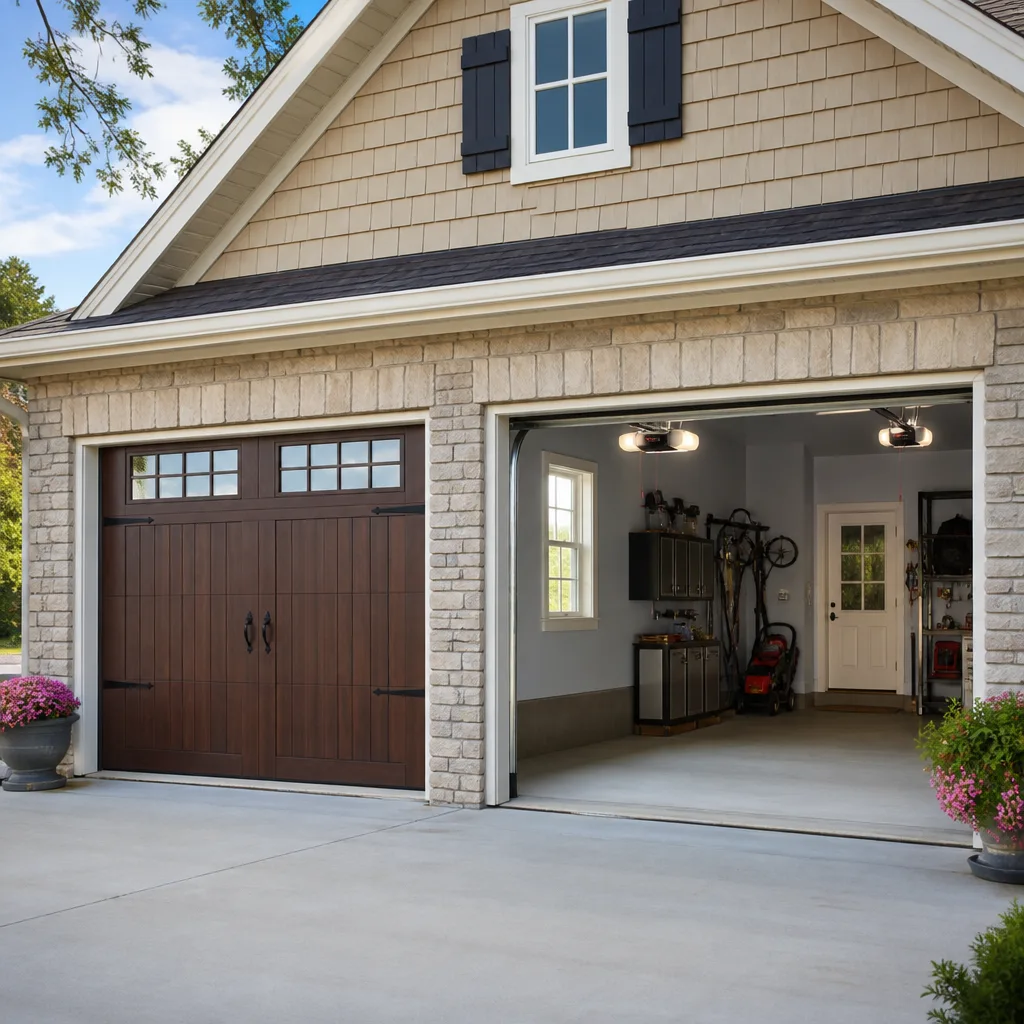 LiftMaster openers
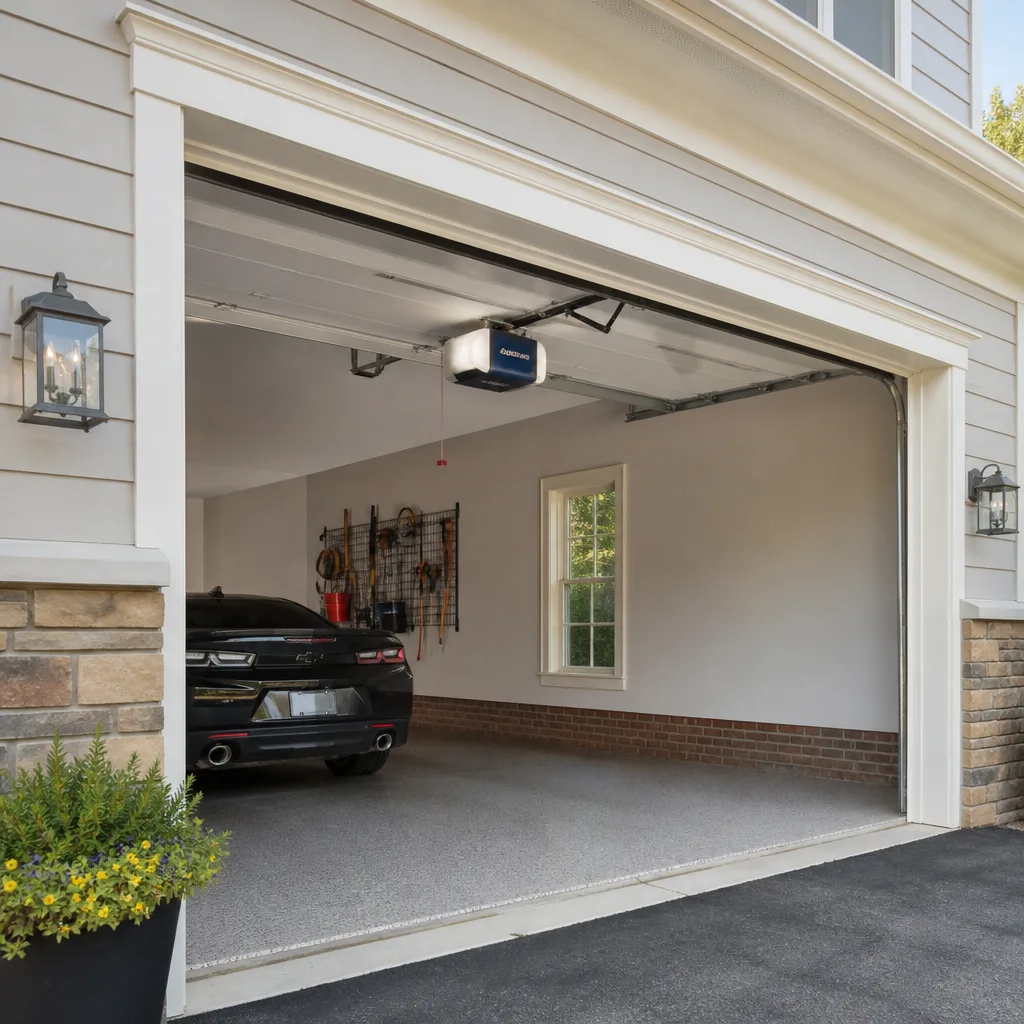 Chamberlain openers
Full 25-point door and opener safety check with every visit - springs, cables, rollers, tracks, and your LiftMaster or Chamberlain opener included
You get a price before we start. It does not change when the truck arrives.
Get your free estimateThe Complete Guide to Garage Door in Coral Gables
Coral Gables has over 1,200 Mediterranean Revival homes, and nearly every one of them has a garage door that fights salt humidity, HOA color palettes, and historic district guidelines simultaneously. Most garage door guides weren’t written for any of them. This one is. Whether you’re replacing a rusted steel door on a 1920s bungalow, repairing an opener that died during hurricane season, or navigating a board approval for a visible door change in the Riviera section, this guide covers the specifics most national resources skip entirely. For more guides & resources tailored to South Florida homeowners, see our blog.
Quick Answer
Garage door service in Coral Gables requires specialist knowledge of salt-air corrosion, Mediterranean Revival architecture constraints, Miami-Dade NOA code requirements, and HOA aesthetic rules. Working with a multi-brand specialist who understands the quirks of older homes and the specific materials that hold up in coastal humidity saves Coral Gables homeowners both money and application headaches. This guide explains every factor that matters when repairing, servicing, or replacing a garage door in this specific market.
Styles & brands we work with
Table of Contents
- Why Coral Gables Architecture Changes Your Garage Door Options
- Salt Air and Your Garage Door: What Actually Corrodes in Coral Gables
- Miami-Dade NOA Requirements: What Homeowners Actually Need to Know
- HOA Garage Door Rules in Coral Gables: What Triggers Review
- Why Multi-Brand Service Matters in Coral Gables (and What Happens When You Ignore It)
- Opener Drive Systems: Which One Suits a Coral Gables Garage
- Signs Your Coral Gables Garage Door Needs Service Now
- Repair vs. Replacement: An Honest Framework for Coral Gables Homes
Why Coral Gables Architecture Changes Your Garage Door Options
Coral Gables is not a generic Miami suburb. George Merrick’s original 1925 master plan dictated a specific architectural language: Mediterranean Revival, Spanish Colonial, and later interpretations like French Normandy and Italian Renaissance. What that means for your garage door is surprisingly specific. The city’s Mediterranean Revival homes typically feature stucco exteriors, barrel-tile roofs, arched entryways, and a restrained color palette drawn from earth tones: cream, sand, terracotta, soft brown, muted olive. A garage door that looks perfectly fine on a modern white stucco house in Kendall can look jarringly wrong on a 1930s Coral Gables home with original details.
We regularly see homeowners choose door styles that fight the house rather than complement it. A contemporary glass-panel aluminum door, for instance, can overwhelm the proportions of a low-slung Mediterranean bungalow. In our experience, doors with recessed panel designs, wood-look finishes, or architectural carriage-house styling sit far more naturally against arched doorways and terracotta accents. That isn’t nostalgia talking; it’s what the city’s visual identity actually requires.
The practical implication is this: door material choice in Coral Gables is never just about durability. It’s about whether the door reads as belonging to the house. Here’s how the main options compare for Mediterranean Revival homes specifically:
- Steel doors with wood-grain finish: Strong choice for the aesthetic. The wood-look texture works well against stucco, and modern powder-coat finishes resist coastal corrosion better than older painted steel. Clopay and Amarr both offer wood-grain steel lines that hold up in humid climates.
- Fiberglass doors: Excellent corrosion resistance for salt-air exposure, but their color and texture options can skew modern. Some wood-textured fiberglass doors, however, mimic painted wood convincingly and wear well in coastal conditions.
- Solid wood doors: Authentic for historic homes, but salt humidity attacks wood joints and finishes aggressively in Coral Gables. They need frequent resealing and are generally a high-maintenance choice unless the home’s historic designation requires them.
- Aluminum full-view doors: Rarely appropriate for Mediterranean Revival architecture. The clean linear look suits mid-century and contemporary homes more naturally. In Coral Gables, these are better suited to newer construction or modern infill builds.
The takeaway for Coral Gables homeowners is straightforward: pick a door that respects the architectural language of the house first, then optimize for corrosion resistance within that style. A wood-grain steel door often satisfies both demands in one product.
Salt Air and Your Garage Door: What Actually Corrodes in Coral Gables
Coral Gables sits roughly four miles from Biscayne Bay, which puts every exterior metal component in constant contact with salt-laden humidity. That proximity changes how garage doors fail here. It isn’t dramatic rusting you notice first; it’s the slow breakdown of components that national guides written for inland climates never mention.
Here’s what we see on Coral Gables doors that inland technicians rarely encounter:
- Track and roller corrosion: Galvanized steel tracks and rollers are the first components to show pitting. Within three to five years on a coastal home, untreated tracks develop surface rust that makes the door noisy and jerky long before the door panels themselves show visible wear.
- Spring degradation: Torsion springs lose their protective coating faster in salt air. A spring that might last ten years in Weston can fail in seven or eight in Coral Gables. When a spring corrodes through, it snaps under tension, which is why we always recommend corrosion-resistant spring options for coastal-zone homes.
- Hinge and bracket rust: The small moving parts are the weak points. Hinges, brackets, and fasteners begin corroding first, and because they’re small, homeowners rarely inspect them until a door hangs unevenly or binds on one side.
- Opener rail and chassis: Even inside the garage, humidity finds the opener. Metal chassis components on older Genie and Chamberlain units can develop surface corrosion after a few years, which affects the chain or belt’s smooth operation.
- Bottom seals and weatherstripping: Salt air accelerates rubber degradation. Seals crack and stiffen prematurely, allowing moisture and small pests into the garage, which in Coral Gables means more than inconvenience: damp garage air accelerates tool rust and can affect stored items.
Corrosion timelines vary by material. Let’s be specific about what that means for the three most common door materials in the Miami-Dade coastal zone:
| Material | Typical Corrosion Onset in Coastal Exposure | What Fails First | Best Coral Gables Application |
|---|---|---|---|
| Steel (standard paint finish) | 3-5 years on edges and seams | Bottom panel edges, hardware, track | Budget-conscious homes with regular maintenance |
| Steel (powder-coat or wood-grain composite) | 7-10 years before visible wear | Fasteners and hinges, not panels | Most Coral Gables homes, especially Mediterranean Revival |
| Aluminum | Rarely corrodes, but oxidizes and dulls | Finish loses luster; hardware corrodes faster than panels | Modern or contemporary homes |
| Fiberglass | Negligible panel corrosion | Hardware and track components still corrode | Homes closest to the water or with chronic humidity issues |
The honest truth about salt air in Coral Gables is that no door is maintenance-free. The difference between a door that lasts twelve years and one that needs replacement panels in six comes down to hardware quality and whether the installer used corrosion-resistant components. This is also why a repair-first philosophy matters: a $25 set of nylon rollers can add years of smooth operation to a door that a single-brand dealer might pressure you to replace.
Miami-Dade NOA Requirements: What Homeowners Actually Need to Know
Miami-Dade County has the strictest wind-load standards for building products in the United States. For garage doors, that means any new door installed in Coral Gables must carry a Miami-Dade NOA (Notice of Acceptance), which certifies the door passed hurricane wind-load testing. This is not the same thing as standard Florida Building Code compliance, and homeowners who don’t understand the difference can end up with a door that isn’t legal for their home.
Here’s the distinction in plain terms:
- Florida Building Code: The statewide baseline. A door meeting only state standards has passed standard wind-load certification, but not the elevated Miami-Dade testing specific to the High Velocity Hurricane Zone (HVHZ).
- Miami-Dade NOA: A product-specific certification proving the door passed testing for wind loads up to 170+ mph in some categories, along with impact-resistance requirements. Any new garage door in Coral Gables must have an active NOA number for the specific door model being installed.
The practical implication: you can’t simply order any garage door online or from an out-of-state supplier and have it installed legally in Coral Gables. The door must be NOA-listed for Miami-Dade, and the installation must follow manufacturer wind-load installation details, which specify fastener types, jamb reinforcement, and track anchoring. A door that isn’t NOA-compliant can cause insurance claim denials if it fails during a storm.
What this means for materials: most major manufacturers, including Clopay, Amarr, Wayne Dalton, and Raynor, produce NOA-certified door lines specifically for the Miami-Dade market. These doors include reinforced construction, heavier gauge steel or aluminum, and often wind-load reinforcement brackets. The NOA certification is door-model specific, not brand-wide, so even within a trusted brand, only certain models are legal for Coral Gables installation.
For older Coral Gables homes, this creates a specific scenario we see frequently: the existing door predates modern NOA requirements or has lost its certification sticker. When that door needs replacing, the homeowner often discovers their current door wasn’t hurricane-rated by today’s standards. The replacement process requires more than swapping panels; it may require upgrading the entire track system, jambs, and mounting hardware to meet current wind-load anchoring requirements. A specialist who understands the NOA landscape can tell you upfront whether your existing framing can support a code-compliant door or whether additional structural work is needed.
HOA Garage Door Rules in Coral Gables: What Triggers Review
Coral Gables has one of the highest concentrations of homeowner associations in Miami-Dade, and most of those HOAs maintain architectural review boards that control exterior changes. Garage doors are a frequent flashpoint because they’re visible from the street. Understanding which changes require approval can save weeks of delay and an uncomfortable conversation with your association.
Based on the HOA covenants we see regularly in Coral Gables neighborhoods like Hammock Oaks, Sunrise Harbour, and the gated communities off Old Cutler Road, here’s the general framework:
- Material changes trigger review. Switching from steel to fiberglass or from wood to steel requires architectural board approval in most Coral Gables HOAs. The board typically wants to confirm the new material fits the approved palette and architectural style.
- Color changes trigger review. Nearly all Coral Gables HOAs maintain approved exterior color palettes. If your door color deviates from the approved list, even a shade difference, expect the application to be flagged. Most boards require a paint or finish sample as part of the submission.
- Style changes trigger review. Flat panel to carriage-house style, or adding windows, typically requires approval. Any change that alters the door’s visual character from the street falls under architectural review.
- Like-for-like repair is generally exempt. Replacing a broken spring, a damaged panel with an identical panel, or an opener with a similar model usually doesn’t require HOA approval, because the door’s appearance doesn’t change.
- Opener replacement is exempt. Openers live inside the garage, so mechanical or connectivity upgrades don’t touch HOA review. This is one area where you always have full latitude.
A practical note: before you buy a door, ask for the HOA’s architectural request form. Most Coral Gables boards meet monthly, so a completed application with the door’s spec sheet, NOA number, and a color sample submitted early in the month can be approved within weeks. Incomplete submissions get tabled, which pushes your project back another month. Working with a company that provides spec sheets and NOA documentation as part of the quote streamlines this process considerably.
Why Multi-Brand Service Matters in Coral Gables (and What Happens When You Ignore It)
Coral Gables has an unusually high concentration of older homes, and many of those homes still run openers installed in the 1990s and early 2000s. Time has winnowed some of those opener brands down to discontinued lines and orphaned platforms. A single-brand dealer won’t service a discontinued Genie that’s no longer in their catalog; they’ll recommend replacement instead, usually with their own product line.
That’s the fundamental advantage of multi-brand fluency, and it plays out in specific ways in Coral Gables:
- Older Chamberlain and Genie units are still repairable. Many are. Gears, capacitors, logic boards, and safety sensors remain available for a surprising range of older models. A specialist who services Chamberlain, Genie, LiftMaster, and Craftsman knows which parts interchange and which models are genuinely obsolete. Replacement is only recommended when parts are truly unavailable or the unit has failed catastrophically.
- Brand-specific quirks matter. A Chamberlain belt-drive opener develops different failure patterns than a Genie screw-drive, and both differ from a LiftMaster jackshaft unit mounted on the wall. Technicians who service all eight major brands recognize symptoms faster and diagnose more accurately than someone trained on a single product line.
- Discontinued models don’t require full system replacement. When a Clopay door from the 2000s needs new rollers or track hardware, the door itself is often still structurally sound. A multi-brand specialist can source compatible hardware rather than pushing a new door.
- Integration with existing smart-home platforms. Coral Gables homeowners increasingly use MyQ-compatible LiftMaster or Chamberlain openers tied to their phones. A technician fluent in these platforms can troubleshoot connectivity issues, add accessories, or replace a failing logic board without disrupting the whole setup.
The honest alternative to multi-brand service is paying for a replacement you might not need. Our garage door opener repair in Miami work follows a repair-first philosophy precisely because of what we see in Coral Gables: far more repairable openers get replaced than should be. When a customer calls about an opener that won’t respond, nine times out of ten the fix is a $40 safety sensor or a worn gear, not a $500 new unit.
Opener Drive Systems: Which One Suits a Coral Gables Garage
Drive system choice affects noise, maintenance, and longevity, and the right answer depends partly on where your garage sits relative to living spaces. In Coral Gables, many homes have attached garages directly beneath bedrooms or adjacent to family rooms, which makes noise a real design consideration, not a spec-sheet footnote.
Here’s a plain-language breakdown of the three main drive types across the leading brands:
- Belt-drive (Chamberlain, LiftMaster, Genie): The quietest option. A reinforced rubber belt drives the trolley instead of a metal chain. For attached garages under bedrooms, this is the only drive type we strongly recommend. Belt-drive openers cost more upfront, typically $40-$80 over a comparable chain-drive, but the noise difference is significant enough that most Coral Gables homeowners choose belt-drive once they hear both in person.
- Chain-drive (Chamberlain, Genie, Craftsman): The traditional workhorse. More noise, lower price, slightly longer lifespan in heavy-use scenarios. For detached garages or homes where the garage sits away from living areas, a chain-drive is a perfectly reasonable choice and often the best value.
- Screw-drive (Genie): Fewer moving parts than chain or belt systems, but temperature and humidity affect performance more. In Coral Gables, where garage humidity stays elevated most of the year, screw-drive openers need regular lubrication to avoid binding. Genie’s more recent screw-drive models handle humidity better than older ones, but consistent maintenance matters.
Two specific scenarios we see in Coral Gables affect this decision:
- Homes built before 1960 with lower ceiling clearances: Some older garages in Coral Gables have ceiling heights under seven feet. Standard rail-mounted openers may not fit with adequate clearance over the door. Jackshaft (wall-mount) openers from LiftMaster solve this by mounting beside the door rather than overhead, freeing ceiling space entirely.
- Carriage-house doors with arched tops: Mediterranean Revival homes sometimes have arched or unconventional door profiles. These require opener adjustments and sometimes rail extensions to work properly. A specialist who has installed openers on arched doors knows the geometry involved; a generalist handyman may not.
If your opener is aging, noisy, or unreliable, we recommend a garage door opener repair in Miami assessment before shopping for a replacement. Many noise problems trace to worn rollers or misaligned tracks, not the opener itself, and fixing the underlying issue costs a fraction of a new unit.
Signs Your Coral Gables Garage Door Needs Service Now
Salt air and humidity accelerate wear in predictable ways. Recognizing the early warning signs means the difference between a $150 repair and a $900 emergency replacement. Here’s what Coral Gables homeowners should watch for:
- New or worsening grinding noise. Metal-on-metal grinding usually means worn rollers or dry bearings. In coastal air, roller breakdown happens faster than inland, and ignoring it eventually damages the track itself.
- Door hangs unevenly or pauses mid-travel. This points to spring imbalance, a bent track, or a failing opener gear. Any of these gets worse with continued use.
- Visible rust on springs, hinges, or track. Surface rust on moving parts is a warning sign. Torsion springs under tension with significant corrosion are a safety hazard and should be assessed by a professional.
- Door reverses for no reason. Safety sensor misalignment is the most common cause, but in coastal humidity, corroded sensor wiring and connections account for more reverse-trip faults than in drier climates.
- Slow response from the opener. Delayed activation, needing multiple button presses, or intermittent operation often precedes total opener failure. The logic board may be degrading, or the capacitor is failing.
- Sagging or cracking in the bottom seal. If you can see daylight under the door or if the seal looks cracked and stiff, moisture and pests are getting in. In Coral Gables, this also accelerates humidity damage inside the garage.
For any of these, prompt attention from a garage door repair service in Miami that knows coastal conditions will save money long-term. Most of these issues are repairable in a single visit if caught early.
Repair vs. Replacement: An Honest Framework for Coral Gables Homes
The decision to repair or replace a garage door in Coral Gables should be driven by specific, objective factors, not by what a salesman wants to sell you. Here’s the framework we use when advising Coral Gables homeowners:
Repair usually makes sense when:
- The door panels are structurally intact with no rust-through or impact damage
- The issue is isolated to springs, rollers, hinges, track, or the opener
- The door is NOA-certified and still meets current code
- The door’s appearance fits the home and the HOA is satisfied with it
- Repair cost is under 30% of replacement cost
Replacement usually makes sense when:
- Multiple panels show rust-through, delamination, or structural bending
- The door lacks current Miami-Dade NOA certification and cannot be brought into compliance
- Repair costs exceed 50% of a new door’s cost
- The door’s aesthetic no longer works for the home or HOA requirements have changed
- The track system is so corroded that replacing components piecemeal would cost more than new track
In our Coral Gables work, the most common pattern we see is a door that’s mostly sound but has been neglected at the hardware level. Springs, rollers, and hinges fail first in salt air, while panels often remain serviceable. Replacing only the worn components, then performing preventive maintenance on the rest, often extends a door’s life by five or more years. That’s the repair-first philosophy in practice: fix what’s actually broken, replace only what can’t be economically restored.
When replacement is the right call, we recommend working with a full-service garage door specialist who can handle both the door and the opener, eliminating compatibility problems between products. Our garage door installation in Miami includes NOA documentation and HOA spec sheets as part of the quote, so the approval process starts with everything your board needs.
Common Mistakes to Avoid
- Choosing a door by price alone. In Coral Gables, a cheap non-NOA door isn’t a bargain; it’s a liability. Insurance consequences and storm damage risk outweigh any upfront savings.
- Skipping the HOA review for a visible change. Installing first and asking later is the fastest way to get a demand letter. The review process exists, it moves relatively quickly with complete paperwork, and non-compliance can trigger mandatory reinstallation.
- Ignoring early corrosion signs. A little surface rust on a hinge is a minor repair. Rusted-through track or a snapped spring is a much larger problem. Early intervention costs less and avoids the emergency call.
- Buying a door and opener separately from different sellers. Compatibility gaps between a door’s weight and profile and the opener’s capacity and rail length are common and frustrating. Buying both from one provider eliminates the finger-pointing when something doesn’t fit.
- Assuming any contractor knows Miami-Dade NOA rules. Many don’t. Confirm that whoever installs your door holds current NOA documentation and understands wind-load anchoring requirements specific to Miami-Dade High Velocity Hurricane Zone.
- Replacing an opener when the real problem is the door. A noisy opener may actually be worn rollers transferring vibration up the track. Diagnose before you spend.
- Lubricating a screw-drive opener with the wrong product. In humid Coral Gables garages, the wrong lubricant attracts dust and gumming. Use the manufacturer-recommended lubricant for the specific drive type.
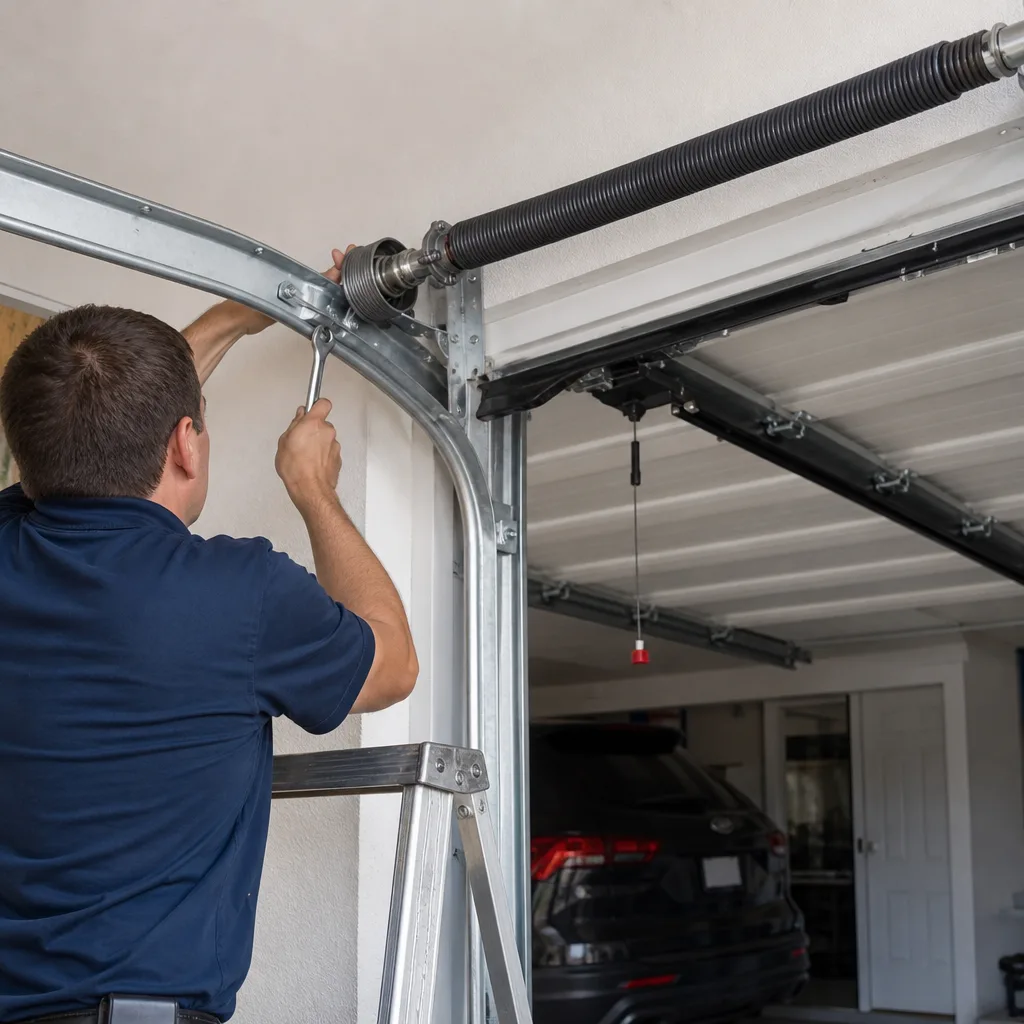
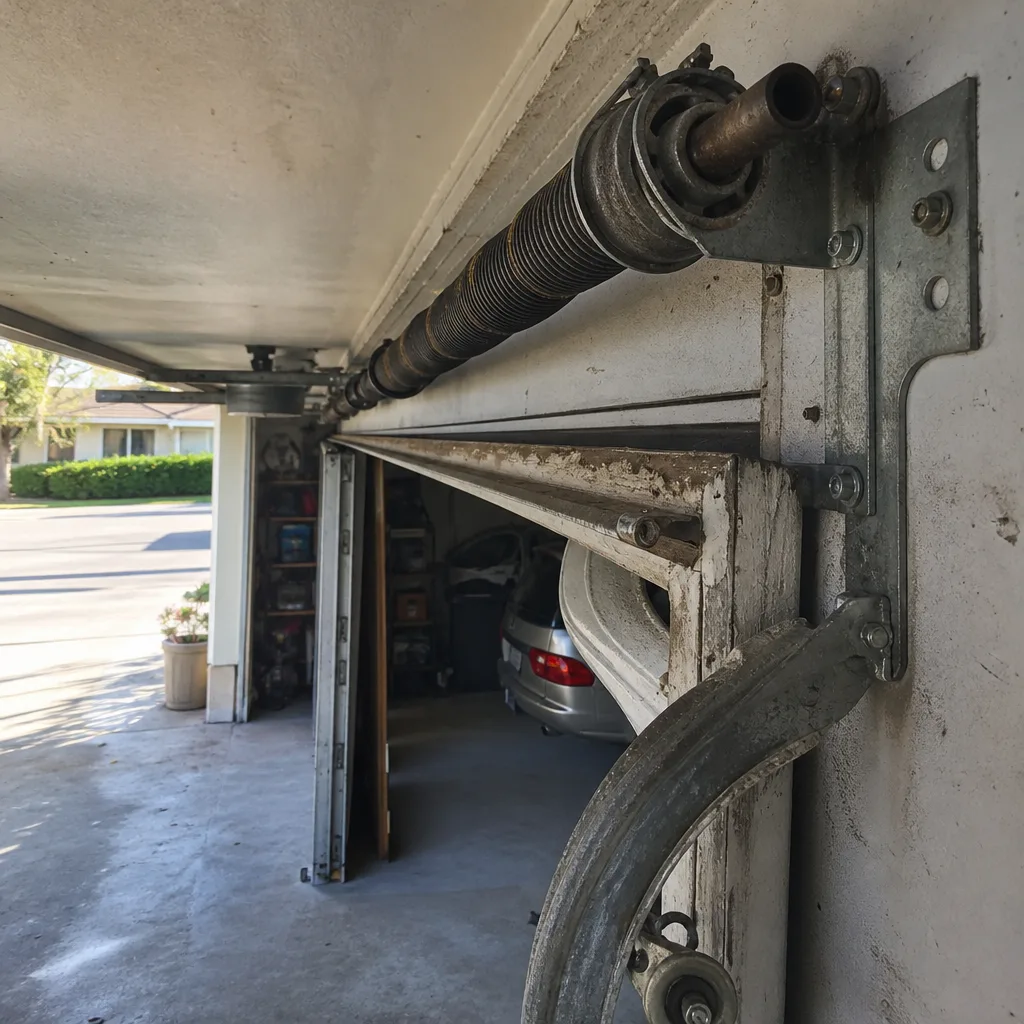
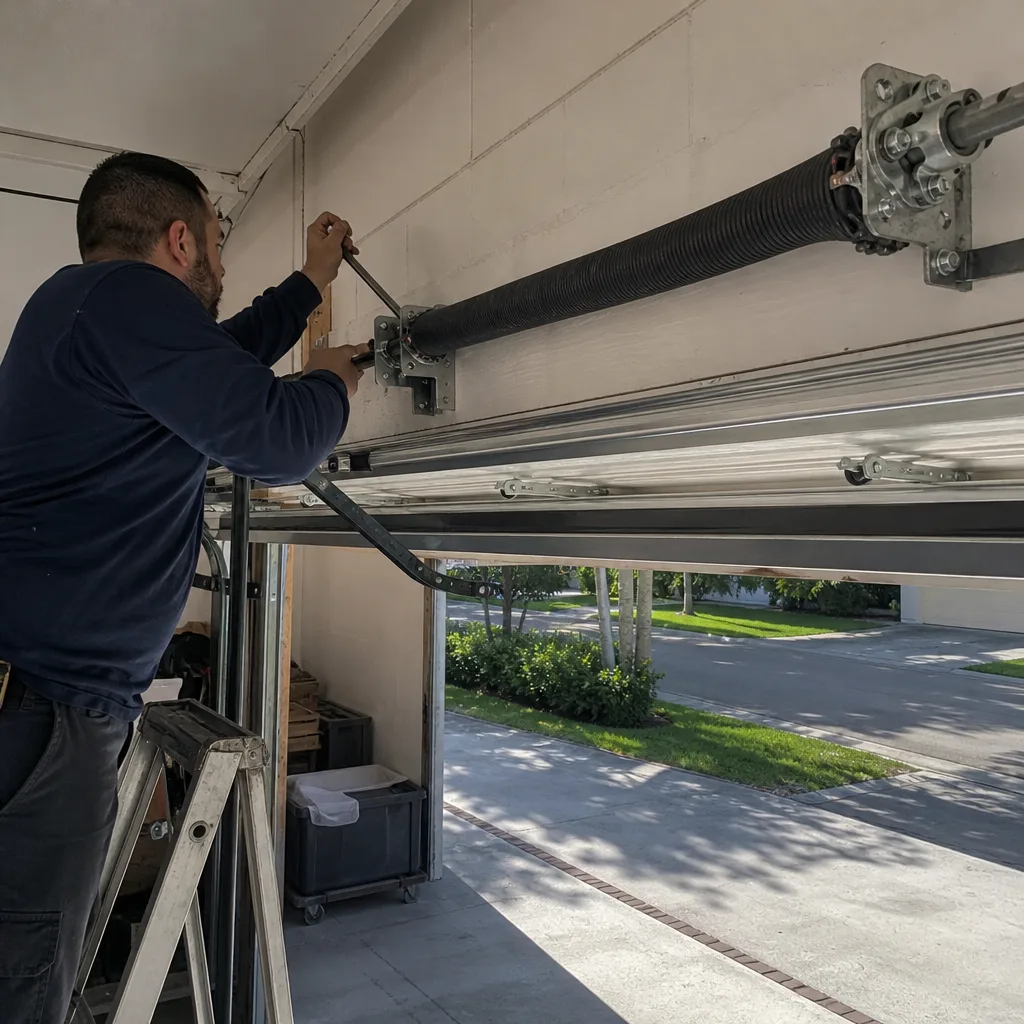
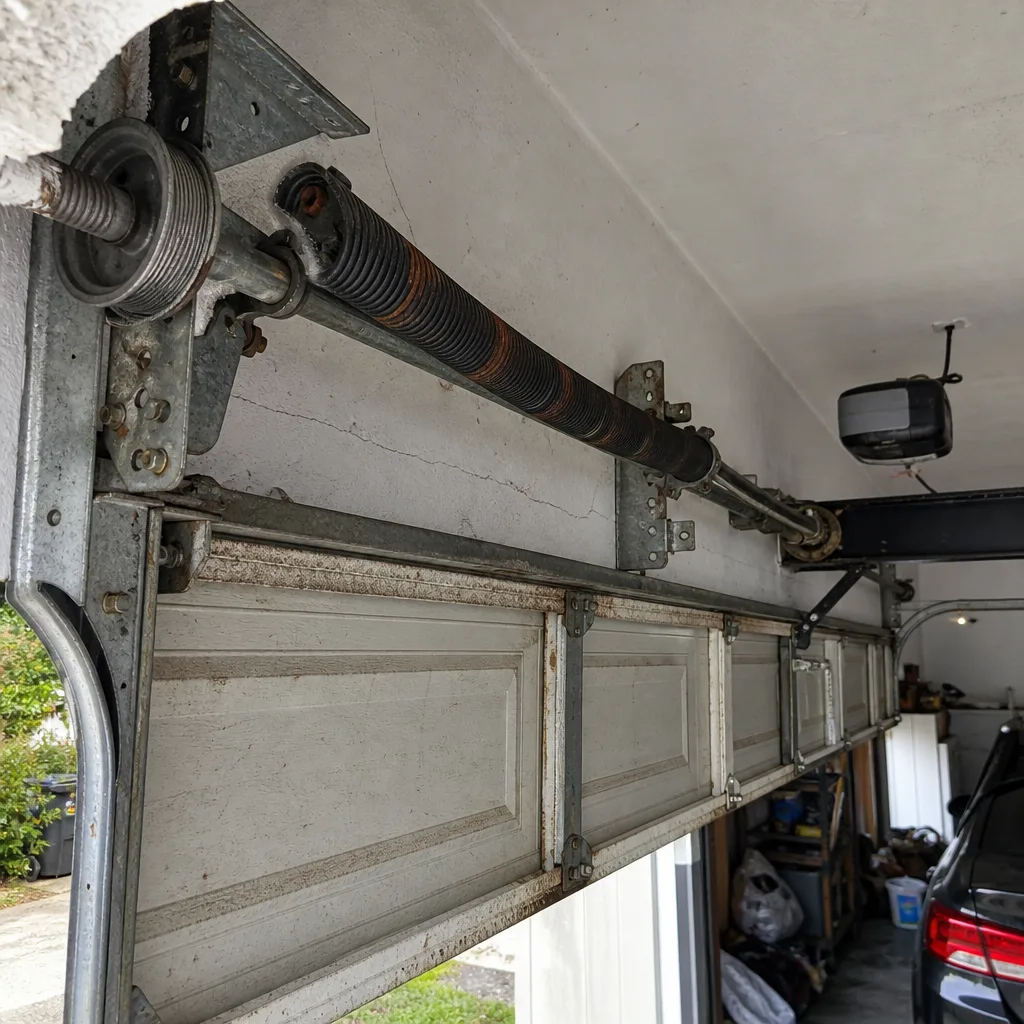
See the difference
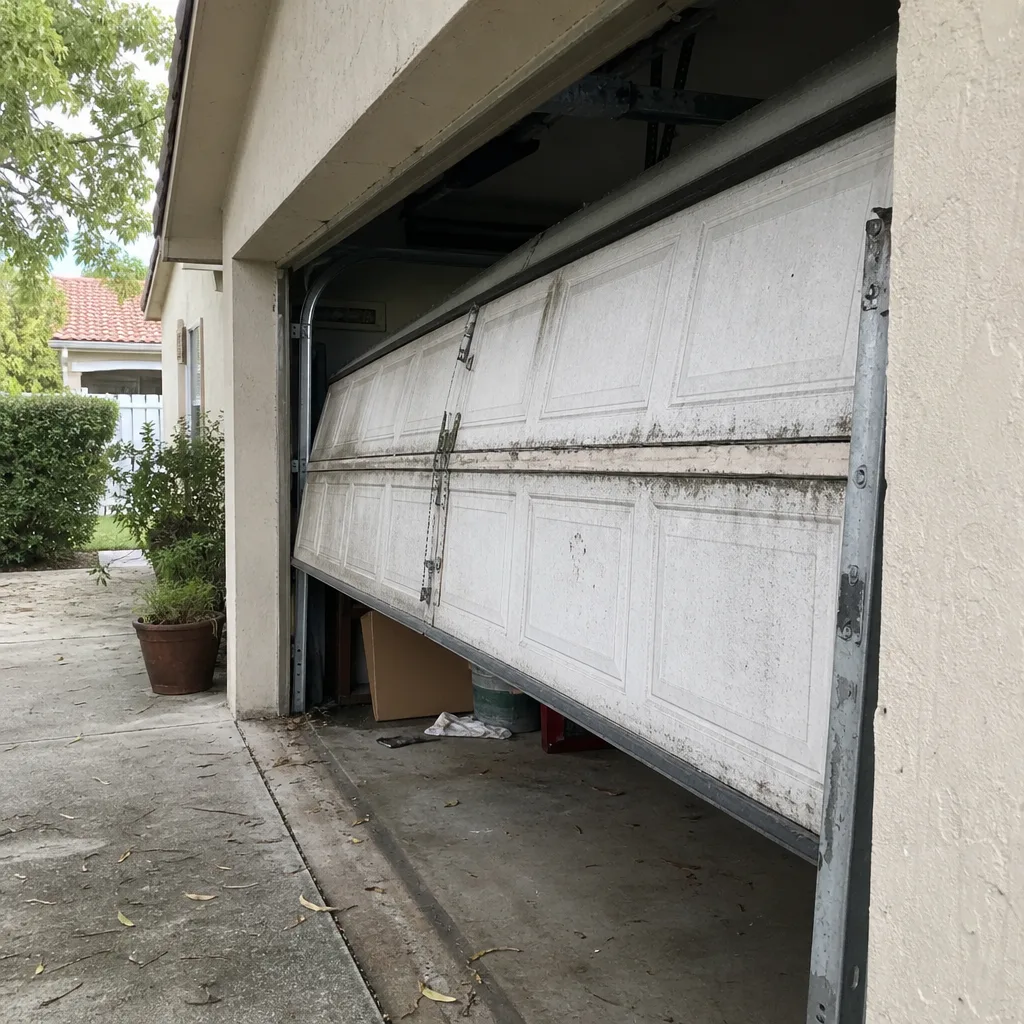 Before
 After
 Before
 After
 Before
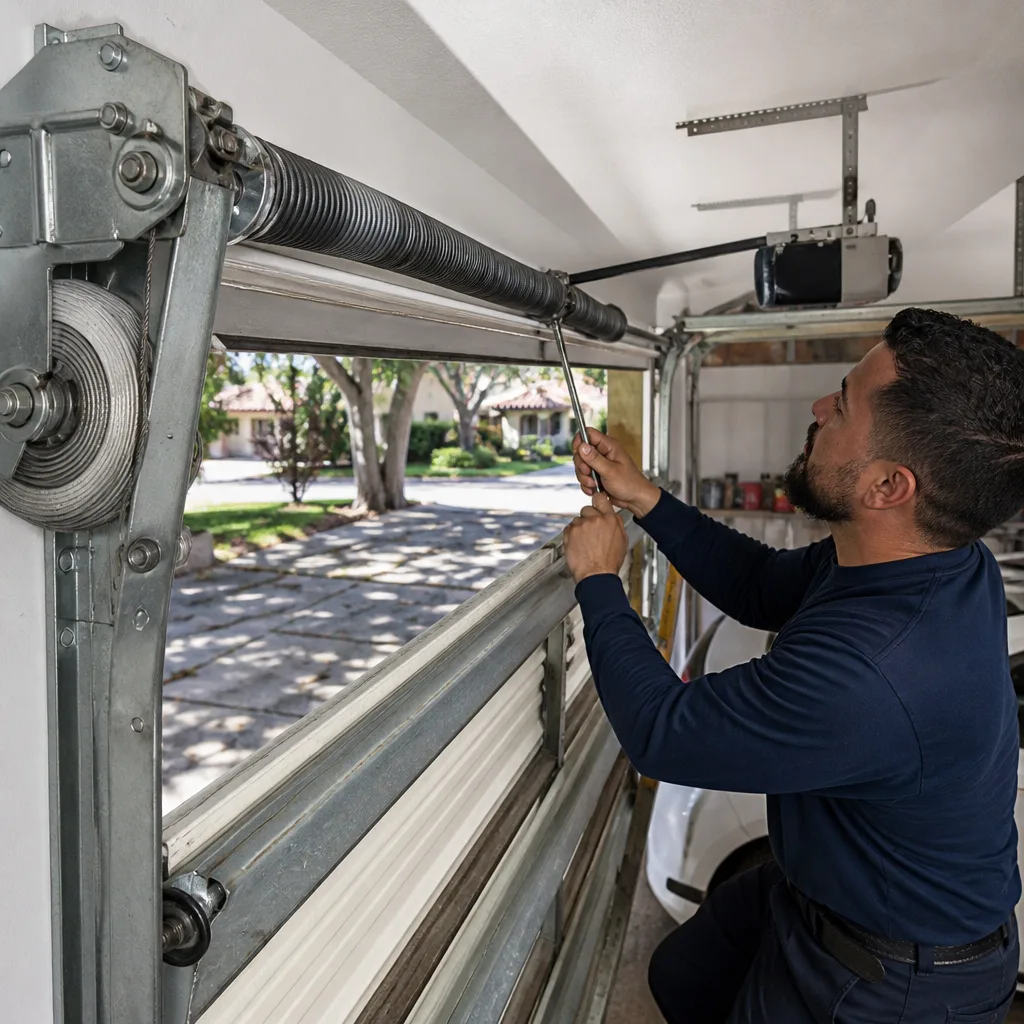 After
When to Call a Professional
Some garage door work is safely DIY; much of it isn’t. Torsion springs under tension, broken cables, and track alignment are genuinely dangerous, and attempting them without proper training and tools can cause serious injury. If your door has a broken spring, a detached cable, or a track that has pulled away from the jamb, call a professional. If the door is heavy to lift, won’t stay open, or has visible component damage, those are also professional jobs. Beyond safety, code compliance matters: any new door installation in Coral Gables requires Miami-Dade NOA documentation and proper wind-load anchoring, which a qualified installer provides. Coral Gables Garage Door Service offers free estimates in Coral Gables – call (855) 752-9022, and we’ll assess your door honestly, whether it needs a $120 repair or a full replacement.
Frequently Asked Questions
A typical single-wide garage door replacement in Coral Gables runs $1,200 to $2,800 installed, while double doors range from $1,800 to $4,500 depending on material, NOA certification, insulation, and style. See our Garage Door Cost Breakdown: The Coral Gables Homeowner’s Reference for 2026 for detailed pricing factors. Coral Gables pricing runs higher than other Miami suburbs because of NOA compliance requirements and the prevalence of architectural styles that favor more detailed door designs. Call (855) 752-9022 for an exact quote – estimates are free, and the price is always agreed before work starts.
Many spring, roller, and track repairs can be completed in a single same-day visit, because our techs carry common parts on the truck. Opener issues that require a specific logic board or gear may need a parts order. Call (855) 752-9022, describe what you’re seeing, and we’ll give you an honest timeline before you commit to anything.
No. We quote the repair or installation price before any work begins, and that number stands unless you authorize additional work. The only exception is if we discover a hidden issue during the repair that changes the scope, in which case we stop and discuss it with you before proceeding. You’ll never receive an invoice larger than the number you agreed to.
We carry parts for Chamberlain, Genie, LiftMaster, Craftsman, and Raynor openers, including many discontinued models. Because we’re a multi-brand specialist, we stock interchangeable gears, capacitors, sensors, and logic boards that single-brand dealers often don’t have available. If your opener is truly obsolete and parts are no longer manufactured, we’ll tell you directly and show you replacement options, but we won’t recommend replacement when a repair is still practical.
Repairs that don’t change the door’s appearance, such as spring replacement, opener repair, roller replacement, or track work, typically don’t require HOA approval. Replacing the door itself, changing its material or color, or altering its style does require architectural review board approval. We provide NOA documentation and spec sheets with every replacement quote so your HOA application can move through review without delays.
Yes, any new garage door installed in Coral Gables must carry a current Miami-Dade NOA for wind-load and impact compliance. This applies regardless of whether the home is in a flood zone or historic district. An existing door can remain in place even if it predates current NOA standards, but once replacement happens, the new door must meet current code. We’ll confirm the NOA status of any door we recommend and provide documentation for your records and HOA.
The Bottom Line
Coral Gables demands a more thoughtful approach to garage doors than most Miami suburbs. The architectural character that makes the city distinctive also constrains style choices. The salt air that comes with living near Biscayne Bay accelerates corrosion on hardware and openers. The HOA framework adds an approval layer that rewards prepared homeowners and punishes impulsive ones. And the Miami-Dade NOA requirement means that the cheapest door is rarely the legal one. None of this is complicated when you work with a specialist who knows these conditions well. The right door, properly installed and maintained with corrosion-resistant components, will serve a Coral Gables home for well over a decade. The wrong door, or the right door installed with cheap hardware, will be a source of frustration and expense within five years. Choose accordingly.
For honest guidance and a no-pressure estimate, Coral Gables Garage Door Service home is ready to help. Call (855) 752-9022 to schedule your free estimate.
Written by the team at Coral Gables Garage Door Service, serving Coral Gables since 2014.